
Author: Trevor W. Goodchild (Page 5 of 7)

Facebook Reveals New Video Tips


Have you jumped on board with one of the highest converting mediums for marketing yet? Video is king right now especially during the holiday season. [Read our last blog on HP moving to Texas here]

Video is number one for increasing engagement on social media platforms which also boosts brand awareness to help you end the year strong with increased profits.

Struggling with how to do this? We got you covered - Facebook just released 3 tips to help you improve your video marketing.

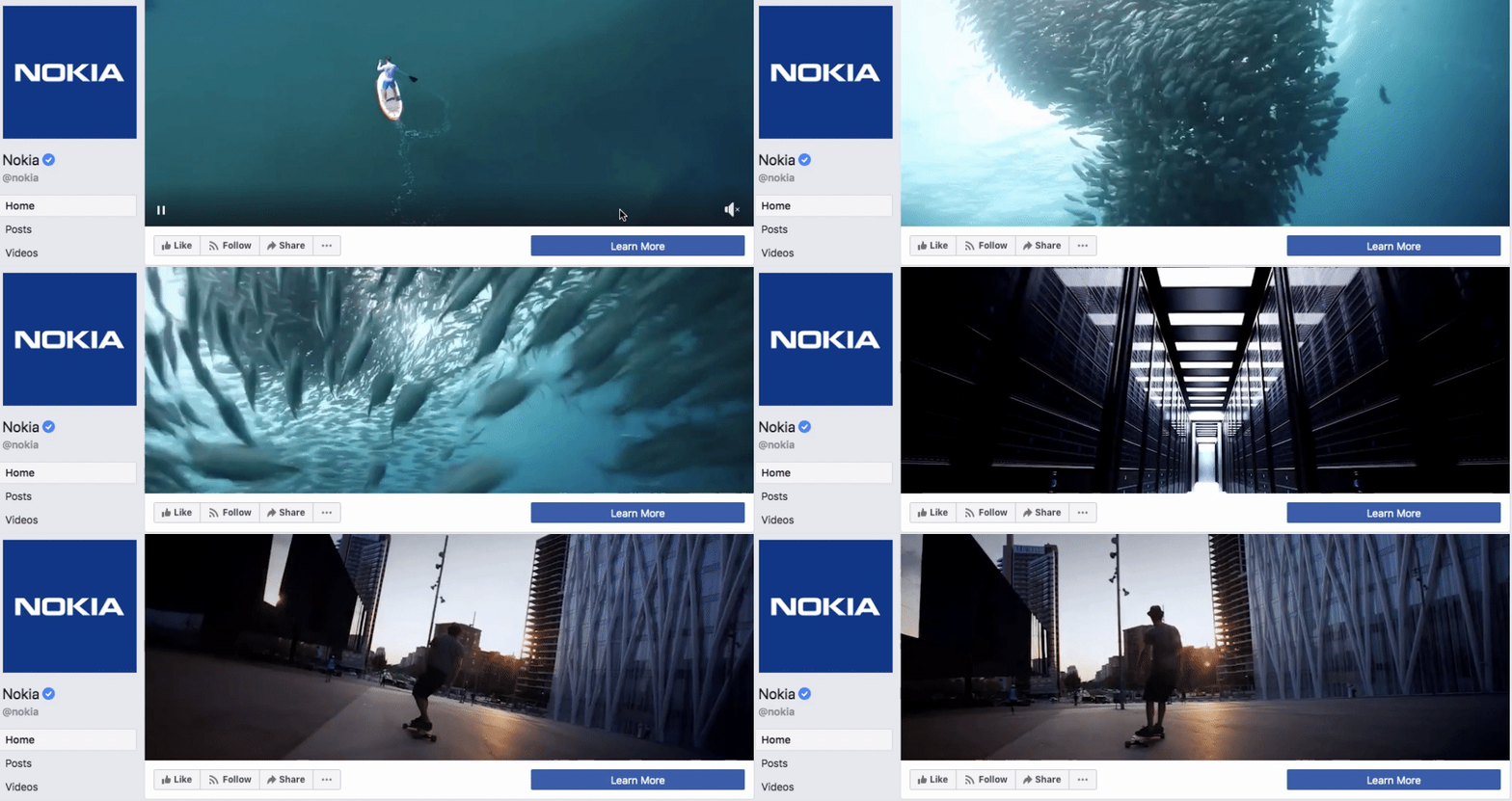
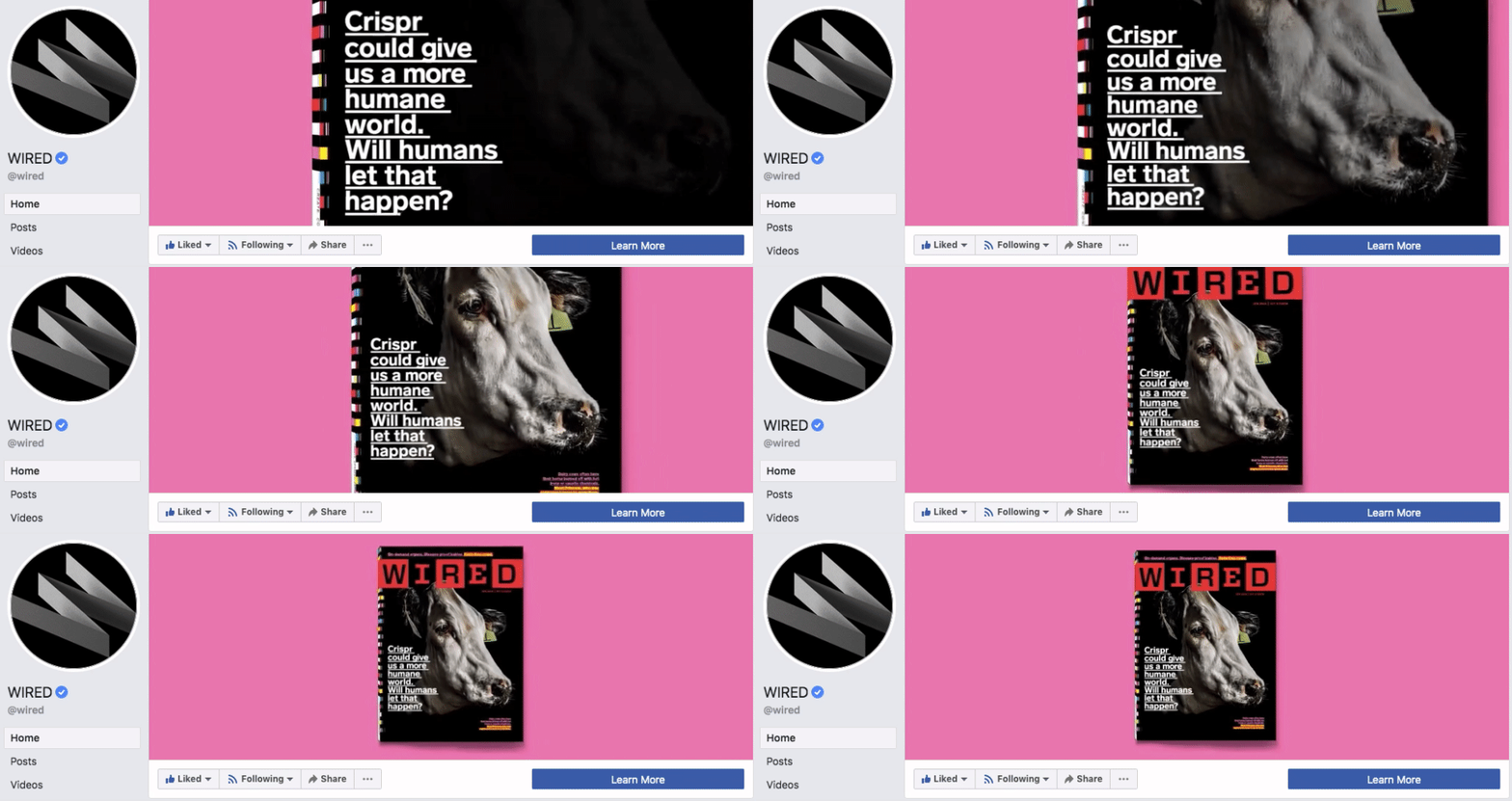
1. "Add a 3-5 second trailer to hold interest"

Facebook recommends adding a short preview of your video at the start of video clips. While this has been used frequently on YouTube it hasn't seen as much use on Facebook videos as a whole.

Essentially you'll want to paste a key snippet from your video and include in the beginning of the clip which helps to entice viewers to stick around and see what's next.

It's a short and sweet way to boost your engagement as well as increase the view time which helps you segregate retargeting campaigns per video view time.

Another deet
Facebook mentioned is using the Creator Studio analytics to find out when you're losing viewers. Once you identify this, you can swap out blocks of content and add more exciting elements where you see folks dropping off.

2. "Frame the story - with a 4:5 aspect ratio"

Because everyone is on their smartphones, Facebook recommends we should create videos that are vertical not horizontal.

Facebook says:

"We live in a world were most people watch videos on mobile just inches from their face and often in vertical orientation rather than turning their phone to landscape. Try framing your visual story and build for vertical format. Editing your videos using a 4:5 aspect ratio may work best for your videos on Facebook."

Back at Facebook's research HQ they discovered
some videos have seen a noticeable improvement in performance when switching from 19:9 orientation to 4:5.

3. "Engage your community - commenting on posts"

Facebook leaves us with one last video tip: increase engagement by responding to comments on video posts.

It's such a simple thing to do but you'd be surprised how many businesses never reply to comments on their videos. When you reply, customers feel included, and it builds brand loyalty as well.

If you can't find the time to do so, hire a social media manager to post on your social media pages and reply to the comments.

Facebook clarifies this further:

"Joining the conversation in the comments section of your own posts can delight your audience and maximize your reach. Longer comments, like sharing your own perspective on the discussion or answering questions, can spark even more engagement with your content."

Facebook also says you can reply to Facebook and Instagram video comments through the Inbox tab in Creator Studio, which some find easier to manage their activity from.

Also, Facebook has shared 5 pretty general tips for video creation:

Facebook video tips


Clearly these are pretty basic tips, you want to get your content creation strategy well defined too. Make sure to switch up the type of content to keep it interesting.

You can read Facebook's full set of video tips here.

What is a challenge you face with posting videos on Facebook?

Comment below!

Facebook disapprove your ad and won't tell you why?Need done-for-you FB ads? Schedule a time to talk to someone who worked at Facebook here.


                                              .  .  .

Enjoyed this blog? Signup here to get updates on new startup blogs.
Need done-for-you Facebook marketing? Book a call with me here.

Is Facebook not explaining why they disapproved an ad?
I worked at FB for years and offer FB Policy Consulting here

Available for freelance writing and guest posting on your blog: [email protected]

business blog, business blog, business blog


HP Moves to Texas for Better Business Opportunities

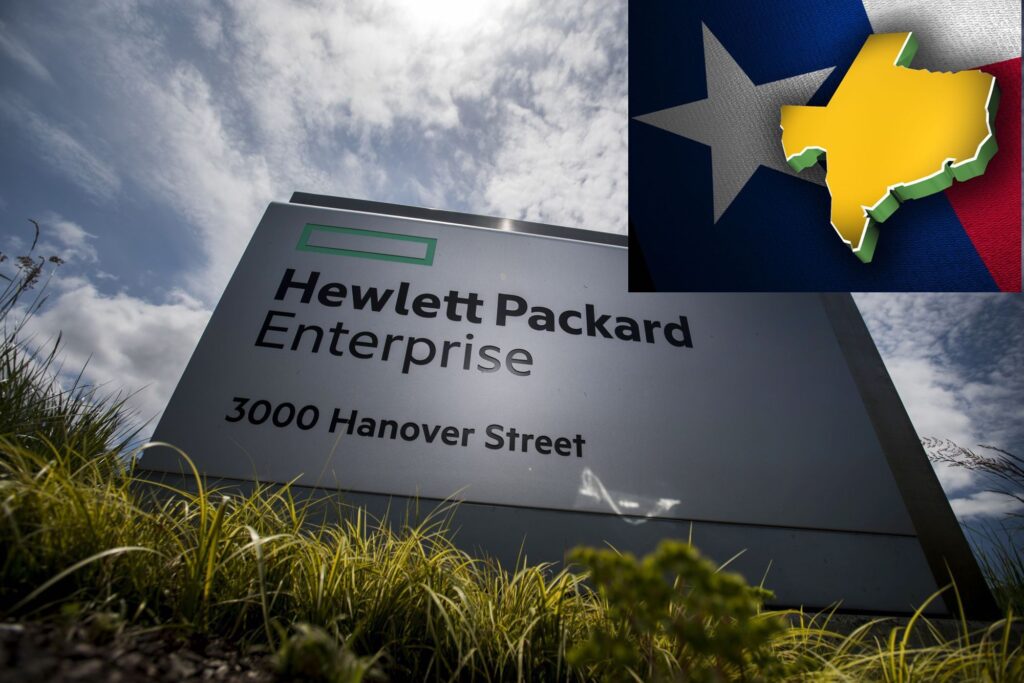
Hewlett-Packard Enterprise Inc. signage stands at the entrance of the company's headquarters in Palo Alto, California, U.S., on Monday, May 22, 2016. Photographer: David Paul Morris/Bloomberg


HP - Hewlett-Packard began in 1938, like Apple's origins the computer company started in a garage when Bill Hewlett and Dave Packard rented a garage in Palo Alto, California.

Now, HP Enterprises (HPE), is re-locating to Texas. (Read the last blog: The Power of Day 1 Thinking)

HPE broadcast this move on Tuesday. Right now Houston is Hewlett-Packard Enterprises' biggest US employment hub, and the business is building a new campus in Houston.

The move by the tech giant will mean thousands of jobs for the area when it opens in the city of Spring in 2022.

The company is in the middle of consolidating a portion of its Bay Area sites to its San Jose hub. HPE says they do not play on laying off any employees during the move.

Texas is known to be friendly towards businesses and it isn't surprising HPE is coming here.

It's the biggest company moving to Texas but plenty of other companies like SignEasy and QuestionPro have come to Texas as well as resident tech companies Microsoft and Apple having established campuses here.

I've worked at Apple Computer in Austin, Texas as well as helping Microsoft launch the Xbox 360 when X-Box Live first appeared.

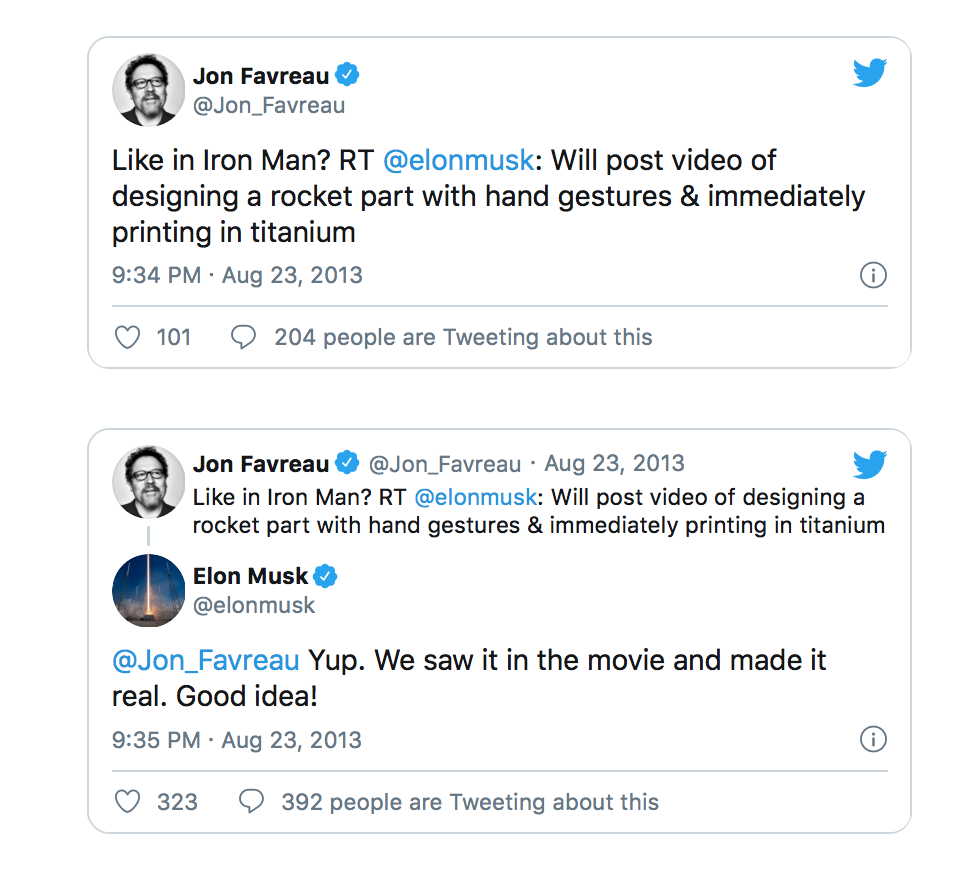
Elon Musk, the CEO of Tesla threatened in May to relocate Tesla's HQ from Fremont, California to Texas or Nevada, because of Elon was upset California's stay-at-home covid lockdown orders.

California right now is crashing its own economy so it makes sense for more and more businesses to come to Texas.

Elon Musk announced in July 2020 that he is building Tesla's new auto plant in a suburb of Austin, Texas called Del Valle. It's about 40 minutes north of my townhome.

I can't wait to run into Elon Musk at Whole Foods and start up a conversation.

Due to local and national government's handling (and mishandling) of lock down orders, many industries are rethinking office space and location and shifting toward remote work.

Dell's headquarters is in Round Rock, Texas, near Austin, and a lot of other tech companies are also considering moving to Texas for tax reasons.

Texas politicians may gerrymander but they make many accomodations for businesses. It's a stark contrast to other countries as well as other states.

One of my clients in Austria told me when they start an LLC, the government assigns one number to the business owner for life and you can't start another business just one. It's pretty harsh there.

We are so innovative towards tech here, Austin has even been nicknamed "Silicon Hills."

I have enjoyed working in the tech field, from Xbox to Facebook and our tech bubble here has kept us safe from economic hardships that hit the rest of the nation hard during 2008's subprime mortgage crash.

HP's good fortune in Palo Alto is actually what kickstarted the Nor Cal's tech scene, which is what led it to be dubbed: "Silicon Valley."

What do you think about HPE coming to Texas? Comment below!

Facebook disapprove your ad and won't tell you why?Need done-for-you FB ads? Schedule a time to talk to someone who worked at Facebook here.


               .  .  .

Enjoyed this blog? Signup here to get updates on new startup blogs.

Is Facebook not explaining why they disapproved an ad?
I worked at FB for years and offer FB Policy Consulting here

Available for freelance writing and guest posting on your blog: [email protected]

business blog, business blog, business blog


Discover the Power of Day 1 Thinking


Dieting and business have a lot in common - they both rely on systems that seek to scale results. They both share a common flaw: unproductivity due to complacency.

Have you had a friend on a diet who does an intense workout and then eats pizza and ice cream? "Oh well, I've already exercised so I can cheat a little."

Except - this path leads towards homeostasis rather than progress.

Many times we take greater risks once we feel safe or protected which leads to more accidents and actually increases risk. This is called Risk compensation.

Risk compensation is a theory which suggests that people typically adjust their behavior in response to the perceived level of risk, becoming more careful where they sense greater risk and less careful if they feel more protected (source).

(Read the last blog for a guide on what to charge for your services here)

Risk Homeostasis initially proposed in 1982 by Gerald J. S. Wilde, a professor at Queen's University in Canada, suggests people weigh the expected costs and benefits of safer and riskier behaviour before taking a riskier behavior.

Expected benefits of risky behavior (e.g., gaining time by speeding, fighting boredom, increasing mobility)

Expected costs of risky behavior (e.g., speeding tickets, car repairs, insurance surcharges)

Expected benefits of safe behavior (e.g., insurance discounts for accident-free periods, enhancement of reputation of responsibility)

Expected costs of safe behavior (e.g., using an uncomfortable seat belt, being called a coward by one's peers, time loss)

In a Munich study, part of a fleet of taxicabs were equipped with anti-lock brakes (ABS), and afterwards the cabs with the ABS had more accidents than the cabs without ABS.

Munich Cabbie Results

The idea Wilde has about this is that cab drivers, feeling more protected, took more risks. Their corresponding behavior change canceled any benefit from the safety measures by ABS.

The Challenger rocket exploded because the managers at NASA felt like the 2nd O-rings were enough to not look closer at the potential for catastrophes despite warnings from engineers at NASA that the rocket wasn't safe to launch.

The Danger of Complacency

At the heart of this, is the dangerous toxin of complacency.

It's just as much a risk in dieting and getting complacent that you've "put your steps in" so can cheat on your diet - leading to a permanent stalemate to getting into better shape - as it is for businesses.

Businesses that want to grow, become profitable and then after becoming profitable often stop innovating their processes, addicted to old systems that no longer work.

"Hey it worked before why not just stick to what's working?"

That kind of thinking crashed Kodak and many more businesses. It's why mid-level managers are still dealing with employees who hate their jobs.

There isn't any intrinsic value in the work being done that is cultivated. I left working at Facebook because there wasn't any investment in the employees to cultivate more skill sets for vertical rather than lateral promotions.

Many companies like Facebook completely lack professional development - it's all about a high turn over rate because they feel if they invested more into their employees they'd have to pay them more.

Yet, this short-term thinking misses the elephant in the center of the room: work avoidance, extrinsically motivated employees don't give it their all, more mistakes are made, no learning from the mistakes is done because the staff feels unsupported - this all costs companies millions of dollars in loss of revenue from inefficiency.

If a startup - or any business - stops looking for ways to improve their systems and relies only on techniques, they will stop winning over the competition and decline.

This advice goes for continuing to be a good friend, a good husband, a good business partner, a good son to your mother (said from my perspective as a guy).

A good athlete doesn't stop training just because the race is over.

It's Day 1 Every Day

                                                                
In every annual letter to the Amazon shareholders, Jeff Bezos writes the enigmatic line:

"It remains Day 1."

After saying this for years, Bezos after being questioned on what it meant said,

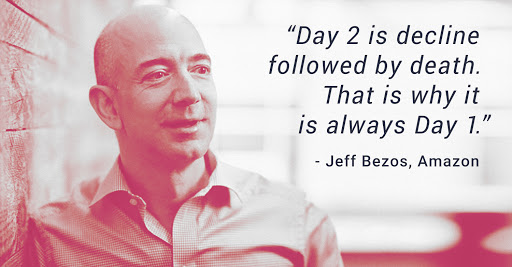
"Day 2 is stasis. Followed by irrelevance. Followed by excruciating, painful decline. Followed by death. And that is why it is always Day 1."

We have to keep creating thought experiments, AB testing, surveying our target audience, studying the competition, taking moonshots, reframing problems, testing as we fly and using first-principle thinking as Elon Musk did creating SpaceX.

Ultimately there isn't a magic bullet. No secret handshakes or magic pill that makes you a millionaire. You have to start thinking like a millionaire and study how and why successful launches worked and what didn't work about them.

Use this data as more than a way to brag at cocktail parties about what you know and have learned. Use this data to calibrate your next moves in business and beyond.

You're directing your own movie - creating the cast, the plot and the ending. What story does it tell?

Comment below!

Facebook disapprove your ad and won't tell you why? Schedule a time to talk to someone who worked at Facebook here.

New Solution to Facebook Ad Policy Violations

After years of working at Facebook, I understand exactly what ad copy in your funnel is triggering the automations and how to get compliant. I'm a Facebook ad policy specialist and can audit your funnel, and share what to say that Facebook wants to see instead - but just isn't telling you. Get on my calendar while I still have free time here.

Want to book a call to talk to Facebook and get results? Get solid answers directly from the source instead guessing, googling and playing roulette? Schedule a call with me and I can easily tell you proven reasons why the automations flag you and how to become compliant.

You'll be swapping out walking in a minefield of ad flags, to having a sure path to having your Facebook ad accounts protected from being disabled.

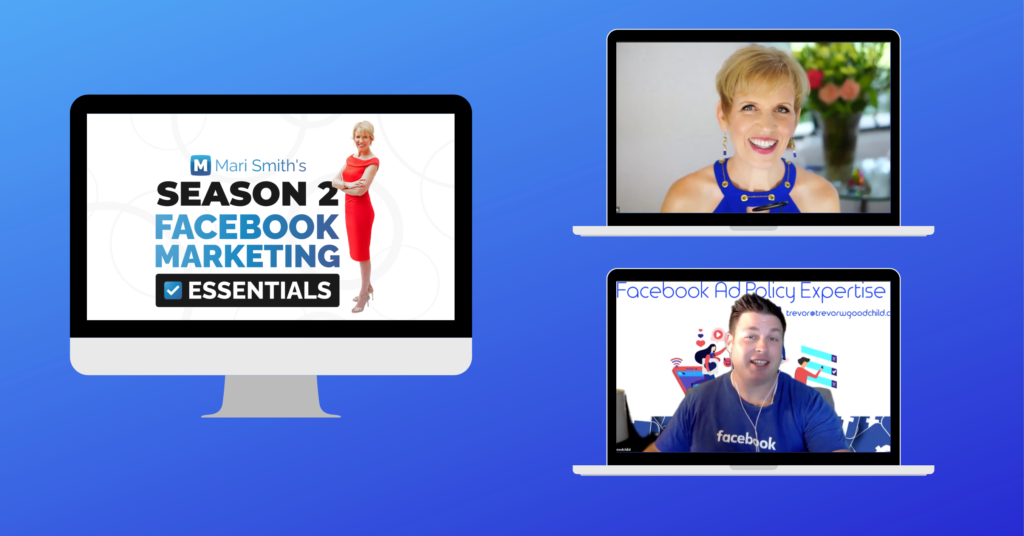
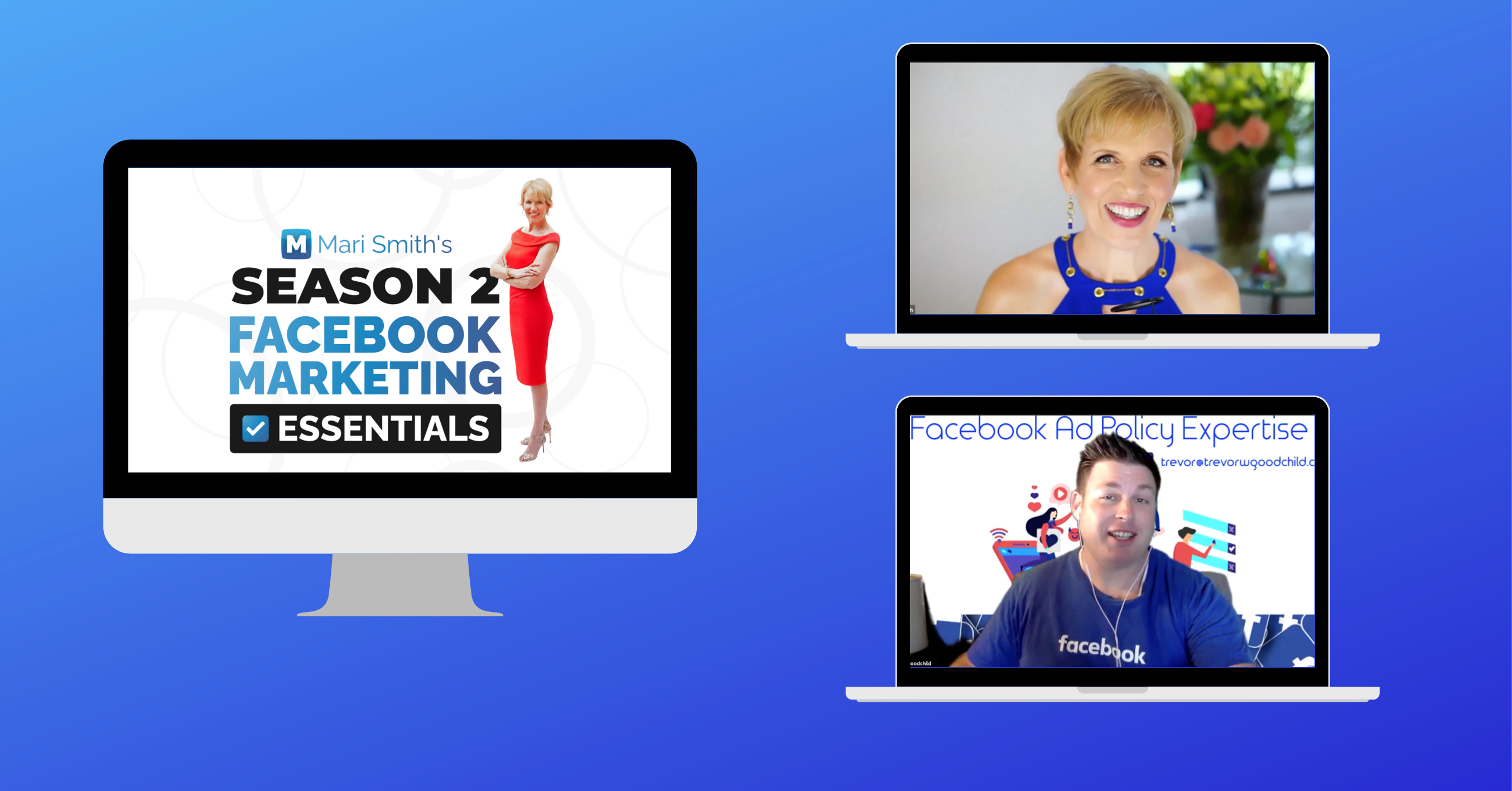
My clients have included social media marketing agencies of Tony Robbins, Harv Eker and Dean Graziosi. I'm featured on the Queen of Facebook Mari Smith's Marketing Essentials Course.

Save energy and money - how much is it costing you to not know why Facebook is shutting you down? Save time and money TODAY

Scheduling a call is a big step in learning more about Facebook ad policy violations.

Our clients know all about Facebook ad policy violations.

If you want to skip the line before this offer ends, immediately secure an expert-level Facebook consulting call from someone at Facebook. Book a call with me now!

If you're ok with waiting a bit longer, and entering the waitlist to see if you're eligible - Schedule a call or contact me via email.

Learn everything about Facebook ad policy violations here.


How Much Should You Charge for Your Services – Answered


How much should you charge for your services? For startup founders, pricing is a four-letter word - many get nervous charging higher prices and low-ball their own offers when starting out.

When I started my first Facebook policy expertise business I simply accepted what other businesses offered to pay me - which often wasn't as much as this type of exclusive-working-at-facebook-in-depth-knowledge was worth.

It is challenging to put a price tag on intangible items like connections, knowledge and time.

(Read the last blog for a guide to social media marketing here)

Yet if you are selling a product, setting a price seems a bit easier because you have very clear numbers to take into consideration, such as cost of manufacturing, packaging, shipping.

As an executive business consultant I've talked with tons of entrepreneurs and wantrapreneurs who had pricing their services as a big pain point. Women who are startup founders especially found it challenging to charge based on what they are worth.

Googling Won't Provide the Answer This Time Here's Why

One of the reasons why it is hard on folks to determine what to charge for their services - in the consulting sphere - is that we have been trained to run in the rat race maze after the all mighty paycheck.

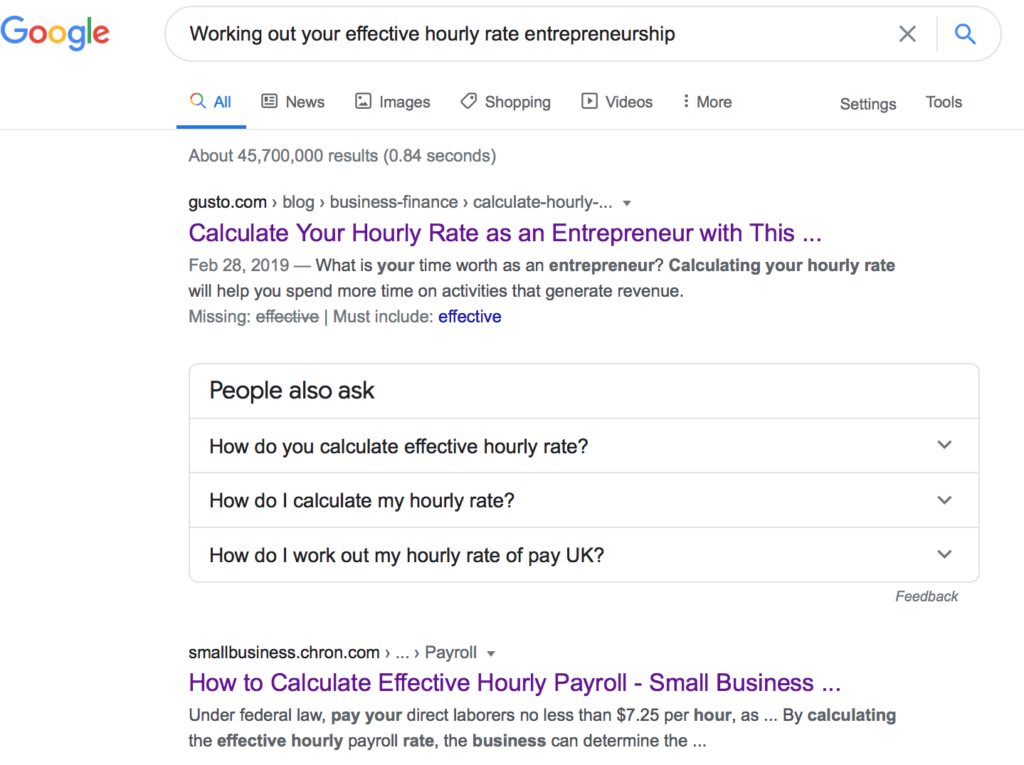
The old way of thinking that business schools teach is a standard formula for determining an hourly rate: Add up your labor and overhead costs, add the profit you want to earn, then divide the total by your hours worked.

If you try and google how much you should charge for your services as an entrepreneur, you'll find outdated advice that won't serve you well on your journey into owning and running a startup consultancy.

Google search results


Sites will tell you to add up:

Time you spend at work even if you’re not actually working, including travel
Your commute
Time you spend working at home
Time you spend working when you’re theoretically not working
Calculate your actual hourly rate

But this type of advice comes from the first industrial revolution, working in a factory, eating lunch when the whistle blows - not from the reality of what it means to run your own business and solve problems for customers and other companies that cost them a lot of time and money.

The value of the time you saved a company, who didn't have the solution you offer, can be exponential.

In a nutshell, value is based on figuring out how much people are willing to pay for your service.

Just asking isn't likely going to work because people rarely have an idea of what they're willing to pay, but offering 3 different tiers from low, medium to high helps you use the Sanders 2-Option close to make a sale.

Dan Kennedy has some great advice for determining what you charge for your services. This is an excerpt from his book No B.S. Time Management for Entrepreneurs:

"Now, you may not have a situation that lends itself to clear-cut billable hours as I do, so how can this strategy work for you? It has to. It's even more important to you than to me."

"Let's say you own six stores and each store has a manager. You'll have to decide how much of the business's bottom-line profit goal will be provided by the managers and how much is still inextricably linked to you. If you want $500,000 at the bottom line, and you figure half is dependent on you, you've got a $250,000 target."

It's sort of like a heart attack being required to really get somebody to change their eating and exercise habits. A lot of your decision making gets easy with this number staring you in the face. It's hard to con yourself with this number confronting you."

"In fact, I suggest having it stare you in the face a lot until you internalize it. Write your number "$____ per Hour" on a bunch of colorful four x 6-inch cards in bold black letters and stick these cards up in places where you work and will see them often."

"Generally speaking, with this number confronting you, two business life changes probably come to mind immediately. First, you realize you've got to surround yourself with people who understand and respect the value of your time and behave accordingly. This isn't easy, and they'll forget often because familiarity breeds contempt. Periodically, you'll have to re-orient them. You also must get people who don't respect the value of your time out of your business life. If you let people who don't understand and respect the value of your time hang around, you won't even have a fighting chance."

"Second, you have to eliminate the need for doing -- or you need to delegate -- those tasks and activities that just cannot and do not match up with the mandated value of your time."

Charge Based on Value

You want to charge based on value not an hourly rate, once you realize your value to your target audience (ideally not starving artists) you can walk customers up the value ladder from intro offers to premium services.

While I do have hourly rates, 99% of my clients are choosing packages at a higher price point for facebook policy expertise.

The higher price point usually equals more dedication from your clients, less flakiness - they invested more than the $20/month gym membership they never use and thus are more committed to getting the results of their investment.

Also, another side benefit of charging based on your value and a transformation rather than 'market rates' from a google search is you attract more clients in that income bracket rather than using hope marketing ("broke marketing").

But I think the first step is to realize your own worth, because we first have to overcome the mental block we are worth what we charge.

How did you come up with the prices you charge for your services? Comment below!

Facebook disapprove your ad and won't tell you why? Schedule a time to talk to someone who worked at Facebook here.


               .  .  .

Enjoyed this blog? Signup here to get updates on new startup blogs.
Need done-for-you Facebook marketing? Book a call with me here.

Is Facebook not explaining why they disapproved an ad?
I worked at FB for years and offer FB Policy Consulting here

Available for freelance writing and guest posting on your blog: [email protected]

business blog, business blog, business blog

The Blueprint for Social Media Marketing

Benefits of social media marketing


Social media contains a wealth of chances for companies to show off their product or service to the world.

If you've read our Instagram Reels update you'll appreciate this guide for social media marketing.

Social media platforms not only provide the opportunity for friends and family to stay in touch and make connections, they also provide impactful ways for advertisers to start conversations with soon-to-be customers.

With the advent of widespread social media use across all age groups, consumers now have an expectation of interacting with brands. This opens up the door for countless possibilities for marketers to generate ways of increasing demand as well as broadening the horizon for potential reach.

Benefits of social media include:

Stimulate engagement with their target audience to build the know-like-and-trust factor.

Increase raving fans and brand loyalty. More engaging content generates more loyalty, which in turn creates more sales and extends the CTV of customers. Creating content with new updates, entertaining posts, informational videos all helps boost engagement.

Leverage the power of cross-posting: social media integrates well with multiple channels for a more diverse content distribution strategy.

Maintain the company message - when you have a situation, where there may be bad press for your business, advertisers can create their own new broadcast distributing updates and press releases to tell their side of the story.

When you have a large enough audience, with consistent branding, content and value this can counteract misleading headlines or misinformation with a broadcast through social media and/or email.

Generate new customers. Using value-driven offers, advertisers can inform and convert subscribers to a social media page into new customers.

Social Media Marketing Ad Campaigns:

Lead Generating Campaign

Lead gen is all about finding entirely new customers who previously may not have interacted with your product or service.

Lead gen campaigns are in essence content marketing with an offer attached where you give consumers a chance to press pause and discover more about your company.

Often the end goal isn't necessarily always financial conversions - but community-driven outreach. When new prospects join your community, this helps them take one more step towards not just becoming a customer but a lifelong fan. 

Social Media Ad Campaign Tips:

Do Market-Research to identify prospective customers.

Develop a list of keywords that appeals to this target audience.

Search pages and create a list of prospective customers prospects and take note of their social media behavior to find out how best to approach them.

Stay current & relevant.

Exchange the hard sell with content marketing related to your offer.

Create content like blog posts or videos, that is relevant to your audience with a lead-in to your offer or joining your community.

Boost engagement with open ended questions that start conversations.

Invest time in showing interest in your potential customers. Take note of their posts and respond in kind with content that their demographic enjoys.

This develops your brand as a valuable friend rather than a greasy used car salesman.

Authenticity generates more revenue than hard pitches.

Don't use fluff - actually provide content that is valuable. One way to do this is break off a small portion of a larger offer, such as a course, or an e-book and create lead magnets from it.

What are Retargeting Ads?

Retargeting - The Real Gold

A surprising amount of businesses don't make use of the Facebook pixel - which is a piece of java script that captures Facebook user data when they go to your website or landing page.

Retargeting now includes creating custom audiences from people who have interacted with your Facebook Page as well as website.

When you identify consumers who show interest in your product or service on social media and almost complete a check out but leave after adding an item to the cart - send them retargeting ads. These convert at a much higher rate because it's a warmed up audience.

Making Your Social Media Marketing Strategy

It's vital to create your social media marketing strategy ahead of time before just trying to convert users.

This includes determining what kind of content will work, whether it’s video, graphics, images, or text. Make sure you establish the tone, style, and where you may repeat content cross posting on multiple channels.

Choosing a Social Media Platform

The platform you pick should match the demographics of your audience. If you're targeting a younger Gen-Z crowd, you may want to go with Snapchat. Millennials? Use Facebook.

Platforms you can pick for your social media strategy include:

*Facebook
*Facebook Groups
*Instagram
*YouTube
*Twitter
*Snapchat
*Pinterest
*Linkedin

What's a win for you when designing and/or executing a social media marketing strategy? Comment below!

New Solution to Facebook Ad Policy Violations

After years of working at Facebook, I understand exactly what ad copy in your funnel is triggering the automations and how to get compliant. I'm a Facebook ad policy specialist and can audit your funnel, and share what to say that Facebook wants to see instead - but just isn't telling you.

Want to book a call to talk to Facebook and get results? Get solid answers directly from the source instead of guessing, googling and playing roulette? Schedule a call with me and I can easily tell you proven reasons why the automations flag you and how to become compliant.

You'll be swapping out walking in a minefield of ad flags, to have a sure path to having your Facebook ad accounts protected from being disabled. My clients have included social media marketing agencies of Tony Robbins, Harv Eker and Dean Graziosi. I'm featured on the Queen of Facebook Mari Smith's Marketing Essentials Course.

Save energy and money - how much is it costing you to not know why Facebook is shutting you down? My calendar is here.

Tony Robbins

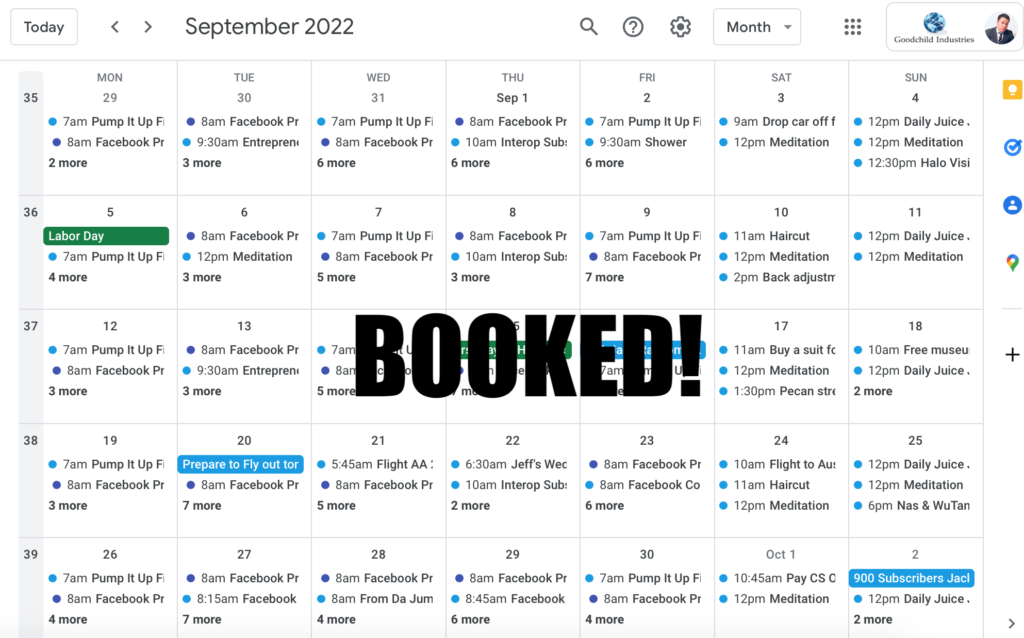
I get 100s of emails a week from businesses and advertisers asking for help when their facebook ad account keeps getting disabled, so my calendar gets booked fast. But if you want to get to the front, you can pre-pay for a consulting session here: Book a call

facebook ad account keeps getting disabled

If you want to skip the line before this offer ends, immediately secure an expert-level Facebook consulting call from someone at Facebook. Book a call with me now! If you're ok with waiting a bit longer, and entering the waitlist to see if you're eligible - Schedule a call or contact me via email.

Mari Smith and Trevor W Goodchild

How to Fail Successfully

Fail fast, fail often, fail forward is a Silicon Valley saying that brands failure as a badge of honor, as if it is a secret right of passage towards success. This is both right & wrong, and I'll explain why we need to redefine our relationship with failure.

When a surgeon fails - that's life or death. When the Challenger rocket blew up - that failure cost the lives of the crew. So failing fast and failing often isn't a mantra that surgeons embrace for obvious reasons.

Back in the Upper Paleolithic era, when mankind drew stick figure animals on the walls of the Lascaux Cave we had a good reason to fear failure. This was a healthy fear that helped us survive from larger predators.

Fast forward, we now fear economic depressions, failing a final exam at our college or university, or failing to overcome the same obstacles that stopped our parents from becoming more successful in business or life.


We fear getting rejected when asking someone out on a date, we fear losing our job or abrupt market changes making our service or product irrelevant in the entrepreneur space.

As a result, we tend to avoid situations that are high risk, both economically and emotionally. This inclination to avoid failure actually produces more failures.

The car is coming towards you at breakneck speed and you don't dodge left, second guess dodging to the right and end up as roadkill.

Being too afraid of failing to make the right move is a recipe for making the wrong move.

You're stuck at a job you hate, have a promising idea to launch a business but want to wait for a zero-risk opportunity to launch. You want everything to be perfect first.

20 years later, shuffling papers on your desk, you think about how much the cost of living has risen and how your pension won't pay all the bills after you retire. Wait, what about that idea?

Too afraid of failure, you never took the leap. Having A+ syndrome, waiting for the perfect moment was a bigger failure than the actual risk you would have taken to start your own company.

Doing anything innovative, or disruptive to established routines requires taking the risk that you're going to fail --at least part of the time.

You may have read my other blogs about Elon Musk's way of thinking and how he used it to succeed at Tesla. Here's Musk's thoughts on failure:

"There's a silly notion that failure's not an option at NASA. Failure is an option here [@ SpaceX]. If things are not failing, you are not innovating enough."

This echoes one of the speakers at a marketing conference I went to in Orlando, Florida who said,

"If you're not embarrassed by the first results -- you didn't launch soon enough,"

We'd never have medicines that help to cure ailments if we didn't explore the unknown and in doing so, fail a few times. As Facebook's early mantra goes, "Move fast, and break things."

While a friend of mine, that I worked with at Facebook mentioned, when he was talking to Mark Zuckerberg, "Mark didn't mean it in the way many engineers at Facebook interpret it as," the concept of prioritizing momentum over just waiting for an unrealistically perfect moment to arrive still holds true.

When we put a ban on failure we put a ban on progressive, and a better future.

Taking a shot at something great will require calibration - just like sighting in the crosshairs of a gun, pellet gun, paint gun or rifle - you'll have to miss a few times to see how far away you are from the target. You may miss more than you hit.

At least in the beginning.

Shakespeare is known for his greatest works like Romeo and Juliet but over twenty years he wrote 154 sonnets and 37 plays which were lacking in character development and had plots that were shoddy, incomplete and not really put together that well.

Now that we've established the importance of trying, even if you may fail, and how important failure is to help you calibrate the best path to success it's time to debunk Silicon Valley's failing fast and often mantra.

When entrepreneurs are too focused on celebrating failures as a token accomplishment, toasting to their bravery, important info is lost on how to work smarter not harder.

Failure provides valuable insight into what worked and what didn't work in our process of launching - to just throw spaghetti at the wall without a strategy or analyzing the results waits time and money - and the effort of even trying.

When we fail, we often try to hide it, or misrepresent what happened as someone else's fault. We twist reality to fit a rationalization of why it wasn't our fault and pass the buck onto other people or factors beyond our control.

What's the harm in fudging the truth a little here and there? you may ask.

If we don't own up to where & how we've failed then we learn nothing from the experience. What's the definition of insanity? Doing the same thing and expecting different results. That's what Blockbuster & Kodak did - look where it got them.

When we pass blame for our failures onto outside elements - the girl that rejected us, the upset customer, the competitors in our niche - we have 0 cause to course correct and improve.

Time, effort and money are thrown down the drain re-attempting the same failed strategy we didn't learn from, crossing our fingers hoping our luck will change without taking responsibility for how we can change our luck.

This is one of the biggest misconceptions about determination and 'just working hard & not giving up.' If we're aimed in the wrong direction all that yelling at the GPS won't do us any good. All that effort is wasted.

The adage "No pain no gain" misrepresents the value of learning from failures in broad strokes. The aim isn't just to fail fast. It's to learn fast.

We would benefit from raising a glass to toast to the nuggets of gold we learn from failure, not just failing.

Another way I often see failures framed is as a loss. "I lost a lot of money in my first start up that didn't pan out." But you're only taking the L if you frame it that way.

A better way to frame failure is as an investment, and take note of the data you get from your efforts. This isn't data you'll find in a fortune cookie or motivational bumper sticker.

Intelligent failures can help you succeed more than previous successes if you take the time to look at what worked in your attempts and what didn't.

One of the best ways to overcome depression from failing at something, whether that's at a relationship, business launch, or personal venture is to learn something. Learning from your experience will never fail.

The founder of Forbes Magazine, Malcolm Forbes says it like this:

"Failure is success if we learn from it."

When we were children, we had to stumble and fall before learning to walk. Imagine if had our parents telling us,

"Don't try to walk because if you do you might fall."

We had to learn how not to fall in order to discover the joys of walking. A single failure is just the start not the end of our journey.

One of the benefits of examining failures for what worked and what didn't is we begin to ask better questions.

Sure, the solutions may evade us in the beginning, but by asking better questions we start to understand more, and with more understanding comes better strategies, with better strategies comes a higher chance of success.

Much of the time we focus on instant gratification. The faster we can get to the prize the better. Spending all our paychecks on Friday and being broke on Monday is an example of this.

Eating at fast food restaurants and pleasuring our taste buds instead of overall mind body spirit health that lasts us into old age more fit, and able-minded is another.

The famous marshmellow experiment in the 1960s, by a Stanford professor named Walter Mischel, tested children's self control. They were given one marshmallow and told if they didn't eat it, they'd get a second marshmallow.

The children who were willing to delay gratification and waited to receive the second marshmallow ended up having higher SAT scores, lower levels of substance abuse, lower likelihood of obesity, better responses to stress, better social skills as reported by their parents, and generally better scores in a range of other life measures. (You can see the followup studies herehere, and here.)

To increase our short-term pleasure, we often avoid actions that might fail.

Yet those who succeed in life delay gratification longer, recalibrate for seeing the bigger picture in the long term. Not falling for the trap of perpetually living in the short-term gratification that social media seems to exacerbated.

"Failure hovers uncomfortably close to greatness," said James Watson who was one of the discoverers of our DNA's double-helix structure.

So your aim should be to re-center your attention on the elements that you can control - the energy and approach you take when attempting to achieve a goal.

Always put the ego aside to prioritize curiosity over pride.

Ask yourself, after failing, "What went wrong with this failure?" and fix the method you used, recalibrate the angle of your approach based on the data your failures provide.

However - that is only part of the story. You need to also ask:

"What went right with this failure?"

Keep track of the higher quality choices you made, even if they produced a failure.

Work on perfecting the method or strategy you're using, and focus on updating your processes. Don't be afraid to use first-principle thinking here too and rewrite the script from the start.

When you reduce the stress on just achieving a specific goal, and work on developing your strategy, you'll improve at everything. The goal because a side-effect of a well-developed system instead of just a lucky guess using a life hack.

We get intrinsic benefits and value from activities we're doing because we're so in love with what we're doing that failing isn't even relevant anymore..

This kind of mindset is similar to one taught in Thich Nhat Hanh's book, the Miracle of Mindfulness, when he describes an incredibly huge pile of dishes and becoming overwhelmed until he re-focused on just washing each dish as if it was the only dish.

Let's put this in perspective of the workforce. When employers only reward success and reprimand or punish failure, this leads to workers just not sharing about failures. Employees try to hide where they've failed instead of look where they can learn from them.

They exaggerate their successes and try to pose everything done in the best way without being intrinsically invested in wanting to learn from mistakes and perfect a process.

This is in essence, shooting the messenger - especially when the failure was caused by an error in the system the employees were using not always just their own competence.

A business stagnates when it stops learning from its mistakes. It's the same reason Sears went out of business.

And it's understandable to an extent - we're taught to justify our failures by blaming other people or circumstances, but yet when we see someone falter we start labeling this failure as a result of their internal processes;

They were lazy, didn't pay attention, incompetent. Our habit of logging the failures of others can be repurposed as a source of data for how we can do things better.

Many companies I've worked for in big tech, Microsoft, Apple or Facebook say they can understand failures or like to learn from them, don't actually do this in reality.

They'll debate that failures mean someone is at fault, blame needs to be assigned, and without discipline and punishment employees will just take advantage of this and fail more.

In actuality - you can let your staff take risks as long as you have high standards. If someone keeps making the same mistake it's time for a one-on-one with quality control.

You can punish sloppy work or poor performance but also reward intelligent failures.

The best performing hospitals have a culture where the nurses are allowed to give feedback to the doctors so everyone learns from mistakes made, the worst are where doctors are untouchable and above critique. These hospitals tend to make more mistakes and hide them according to first-year doctoral student, Amy Edmondson's study in the 1990s.

Her Ted Talk is pretty amazing here:

Is this blog too detailed? Perhaps - I get pretty passionate about discovering solutions to problems we keep repeating. The attitude on failure is one of them.

Let's take a look at how failure works in schools, particularly at the college level.

The New York Times has a great article on this:

"Preoccupied in the 1980s with success at any cost (think Gordon Gekko), the American business world now fetishizes failure, thanks to technology experimentalist heroes like Steve Jobs. But while the idea of “failing upward” has become a badge of honor in the start-up world — with blog posts, TED talks, even industry conferences — students are still focused on conventional metrics of achievement, campus administrators say."

We’re not talking about flunking out of pre-med or getting kicked out of college,” Ms. Simmons said. “We’re talking about students showing up in residential life offices distraught and inconsolable when they score less than an A-minus. Ending up in the counseling center after being rejected from a club.

Students who are unable to ask for help when they need it, or so fearful of failing that they will avoid taking risks at all.” Almost a decade ago, faculty at Stanford and Harvard coined the term “failure deprived” to describe what they were observing: the idea that, even as they were ever more outstanding on paper, students seemed unable to cope with simple struggles."

The solution to this anxiety about even trying due to fear of failure is to experience failure on a regular basis. This is true for any phobia. When I started driving, I was freaked out by everything - how close the cars were, the speed of vehicles, going on super high curving overpasses.

It took time and experience of exposing myself to driving more and more that the fear lessened and driving skills also improved.

Each setback becomes the training to overcome the next one - if we choose to learn from failures and take the risk of failing again. And again. And again. Each attempt builds resilience and familiarity.

What's something you couldn't have achieved if you didn't try first and fail?

Comment below!

Read the last blog on SEO tips here

New Solution to Facebook Ad Policy Violations

After years of working at Facebook, I understand exactly what ad copy in your funnel is triggering the automations and how to get compliant. I'm a Facebook ad policy specialist and can audit your funnel, and share what to say that Facebook wants to see instead - but just isn't telling you.

Want to book a call to talk to Facebook and get results? Get solid answers directly from the source instead of guessing, googling and playing roulette? Schedule a call with me and I can easily tell you proven reasons why the automations flag you and how to become compliant.

You'll be swapping out walking in a minefield of ad flags, to have a sure path to having your Facebook ad accounts protected from being disabled. My clients have included social media marketing agencies of Tony Robbins, Harv Eker and Dean Graziosi. I'm featured on the Queen of Facebook Mari Smith's Marketing Essentials Course.

Save energy and money - how much is it costing you to not know why Facebook is shutting you down? My calendar is here.

Tony Robbins

I get 100s of emails a week from businesses and advertisers asking for help when their facebook ad account keeps getting disabled, so my calendar gets booked fast. But if you want to get to the front, you can pre-pay for a consulting session here: Book a call

facebook ad account keeps getting disabled

If you want to skip the line before this offer ends, immediately secure an expert-level Facebook consulting call from someone at Facebook. Book a call with me now! If you're ok with waiting a bit longer, and entering the waitlist to see if you're eligible - Schedule a call or contact me via email.

Mari Smith and Trevor W Goodchild


What Trump’s Loss Means for Solar Industry

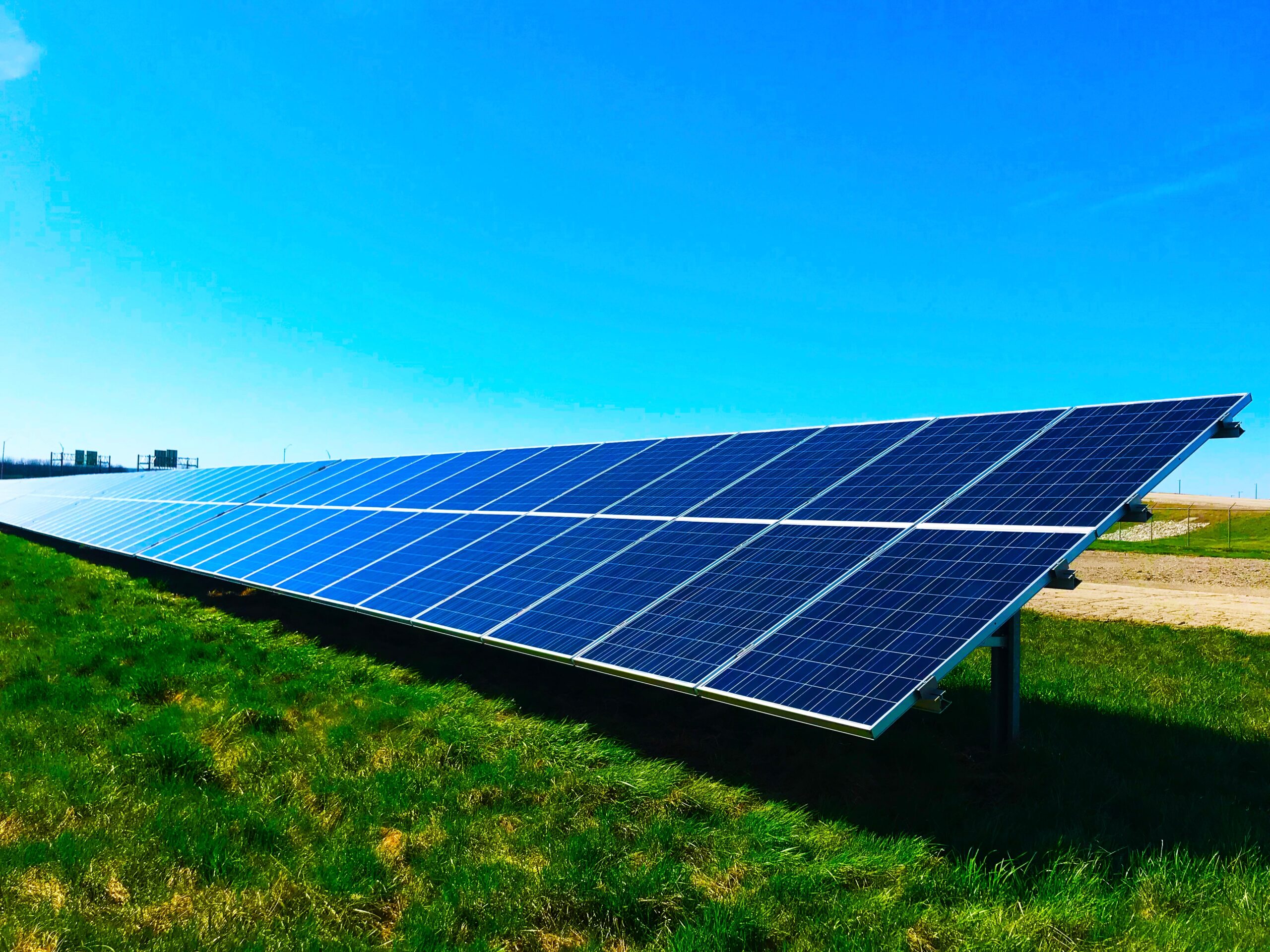
Photo by Chelsea on Unsplash

If you're living in America you're going to see a big change for renewable energy.

For his entire presidency, President Donald Trump denied that humans affect the environment in any way while boosting the production of
fossil fuels.

Trump repeatedly tweeted and announced that climate change is a "hoax." If that wasn't good enough, he went on to make fake claims that wind turbines cause cancer.

Many environmental protections were taken apart, and a lobbyist for coal was appointed at the head of
 the EPA.

The new president-elect Joe Biden, conversely, takes a completely opposite stance. Biden is committing to quickly concentrate on pressing climate issues before they become a larger crisis.

He was promised to spend up to
$2 trillion on sustainable energy, in addition to getting America joining back with the Paris climate accord.

Regardless of what your stance is on fossil fuels versus renewable energy - renewable energy is a business that produces significant contributions to the GDP as well as job creation.

The “green economy” in America employs more than 9.5 million people, according to the University College London study.

The green economy generates $1.3 trillion in annual sales revenue in the United States, while creating 9.5 million full-time jobs, climatologist Mark Maslin and researcher Lucien Georgeson said in their study published in the online journal Palgrave Communications.

Heads of industry in the sustainable energy field are now feeling relieved about Washington's change of attitude.

The President-Elect is going to appoint more environmentally-centered officials to lead the EPA, as well as the Energy Department and related organizations.

“Following Biden’s win, the US will re-join the Paris negotiations and other nations will be compelled to join the net-zero club and, in 30 years time, we may just get there.”

Said Professor of climate physics and director Prof Piers Forster.

As far as the Stock Market is concerned, solar and other clean energy stocks are booming in 2020 this year.

SunPower, based in San Jose, California (SPWR) is now valued at $3.3 billion with a share price is spiking up 270% in record highs.

Their competitor, SunRUN (RUN) has risen in the upwards of more than 300% in 2020. Giving the solar company a market valuation of $11 billion.

That's not to say that there won't be obstacles for green energy still with the Whitehouse divided, Republicans who tend to favor big oil, dominating the Senate, and Democrats who lean towards renewable energy expected to hold the House.

Biden has a climate taskforce who aspires to install eight million solar rooftops through fast-tracking permits and deregulating the process.

Covid 19 changes to urban life are spurning more focus on renewable energy right now as well.

Data centers are installing more and more solar panels, and the exodus out of cities is fueling a housing boom.

The rapid uptick of remote work due to Covid 19 closing down office space is a huge driver for solar energy as well. This is because you can't work if you don't have power.

Many west coast techs and more who work from home are installing more solar panels to side-step power outages in California.

Another stark contrast in political maneuvers between Biden and Trump have to do with tariffs.

Back in January 2018, Trump forced a 30% tariff on silicon solar cells made overseas, which are scheduled to expire in February 2022.

The federal Energy Investment Tax Credit (ITC) is due to expire in 2022 as well.

President-Elect Biden has a tax plan which requires Congress to widen the ITC. This is going to give businesses and home owners a much greater motivation to insall solar panels on rooftops everywhere.

What other changes do you expect to see with a Biden presidency?
Comment below!

New Solution to Facebook Ad Policy Violations

After years of working at Facebook, I understand exactly what ad copy in your funnel is triggering the automations and how to get compliant. I'm a Facebook ad policy specialist and can audit your funnel, and share what to say that Facebook wants to see instead - but just isn't telling you.

Want to book a call to talk to Facebook and get results? Get solid answers directly from the source instead of guessing, googling and playing roulette? Schedule a call with me and I can easily tell you proven reasons why the automations flag you and how to become compliant.

You'll be swapping out walking in a minefield of ad flags, to have a sure path to having your Facebook ad accounts protected from being disabled. My clients have included social media marketing agencies of Tony Robbins, Harv Eker and Dean Graziosi. I'm featured on the Queen of Facebook Mari Smith's Marketing Essentials Course.

Save energy and money - how much is it costing you to not know why Facebook is shutting you down? My calendar is here.

Tony Robbins

I get 100s of emails a week from businesses and advertisers asking for help when their facebook ad account keeps getting disabled, so my calendar gets booked fast. But if you want to get to the front, you can pre-pay for a consulting session here: Book a call

facebook ad account keeps getting disabled

If you want to skip the line before this offer ends, immediately secure an expert-level Facebook consulting call from someone at Facebook. Book a call with me now! If you're ok with waiting a bit longer, and entering the waitlist to see if you're eligible - Schedule a call or contact me via email.

Mari Smith and Trevor W Goodchild

5 Quick SEO Tips – How to Increase Your Search Rank Result


SEO basics: Five tips & best practices to consider for your website

SEO explained

Here is an SEO starter guide for those who want the benefits of search engine optimization without spending hours googling and guessing. Let's get started!

Provide useful product or service information

Step 1: Discover What Your Audience is Googling 


If you don’t know what your audience is googling you can’t optimize your site, so here is an easy way to find that out.

Imagine you are one of your customers, and start entering in search terms. It seems pretty easy but you’d be surprised how many people don’t experiment with googling things first.

Use short and meaningful page titles and headings

Let’s say you own an Italian restaurant in San Francisco. Now imagine you’re in San Fran, you’re hungry for some pasta or authentic Italian pizza - what would you google?

* Italian restaurants in San Francisco
* Bay area Italian food
* Best Italian restaurant in the Mission District

You now have some of your first search terms. Are these the best search terms with the highest search volume? Maybe, let’s do some more research.

Include details about your business

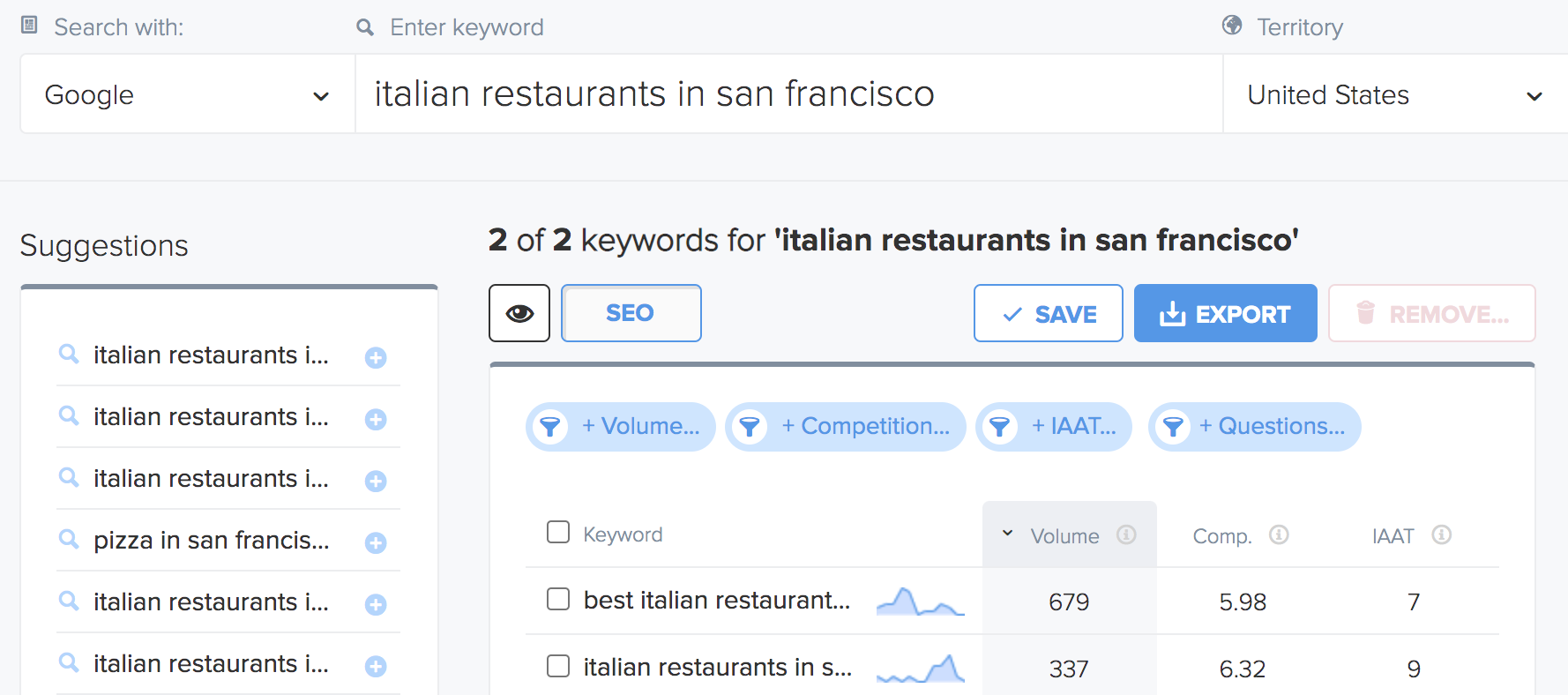
a) Find The Commonly Used Keywords For Your Business

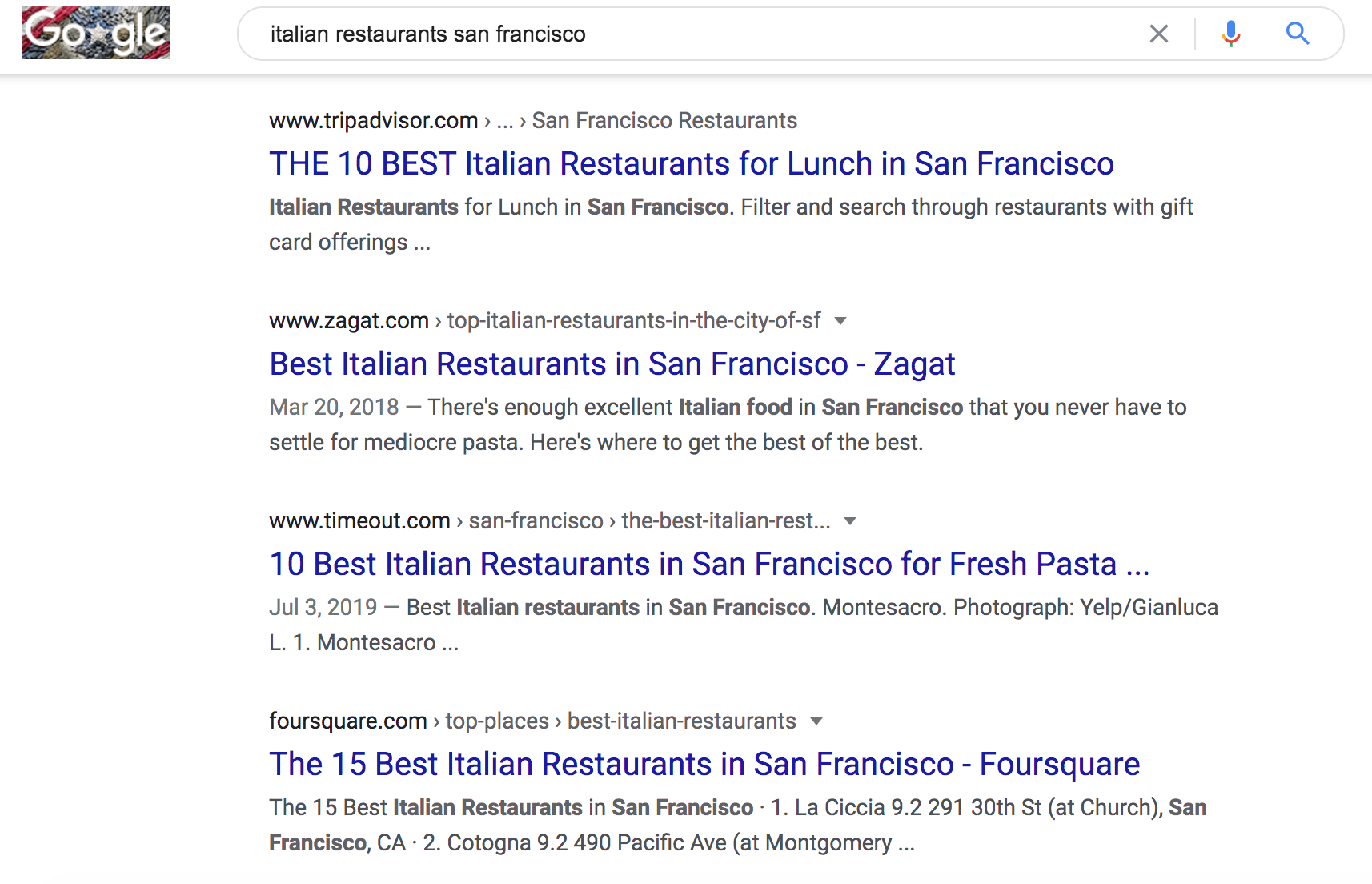
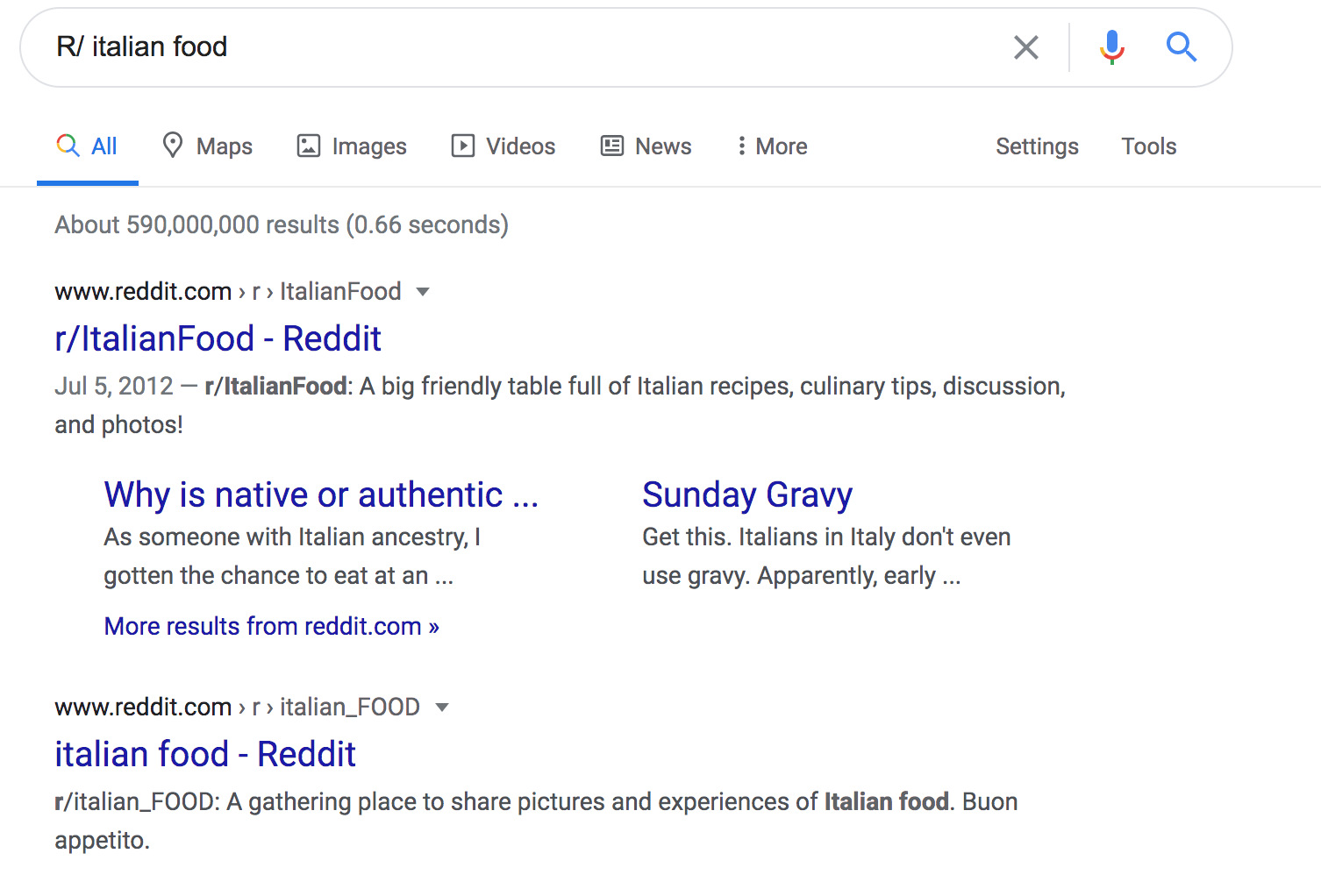
Searching Google for Italian restaurants in SF produces many results:


Glancing at the search results you can see key phrases used, “Italian restaurant” and “San Francisco” as well as “Italian food.” The reason why we’re seeing this is because websites are using title tags to rank in search results.

We can also see Italian restaurants appear in “best of” lists for more than one website, which may be a good idea to include somewhere on your website, if you’re the owner of an Italian restaurant.

Check image and video tags

Search engines might not always interpret images or videos in the same way people do, so it’s important to use words to help the search engine understand these items. Make sure you adjust the "alt =" text of your images to reflect the keyword you're targeting.

Use descriptions that your potential customers can relate to

b) Find Out New Ways Your Customers Search for the Same Topic

You’ll want to use a Keyword Explorer tool, there are a few free ones on the net, or you can pay for one on sites like SEM Rush, ahrefs, and moz.com I believe offers a free one after you create a profile on their website.


This is where you'll discover more keywords, rated by their search volume and a few other long-tail keywords which consist of entire phrases versus just one or two words. 

Knowing these gives you the sense of how people are searching in different ways for the same thing.

c) Research Related Subjects & Themes in Your Niche 

You can increase your search rank results by blogging about topics in your niche, increasing the amount of keywords your site ranks for.

But, this won’t be any good, if you’re just guessing and writing content. I’ve heard of more than one person that complains, “Well I’m producing tons of content but nothing ever happens!”

That’s because you need to produce content that is optimized for search engines based on what words your customers are already using.

Going to forums, Quora, Reddit, Facebook groups and finding out what phases your potential customers are using is a great way to create a word bank to fill your blogs with.


Another pro tip is to find pain points and solve them on your website or IRL for your Italian restaurant in this hypothetical example.

Eg: people complain there's no seating at other Italian restaurants - you add an outside patio area and mention on your site, "Unlike other Italian restaurants that don't have seating you'll always have a spot in our new patio area. 

You can even subscribe to podcasts by authority figures in your vertical and write down keywords you hear coming up again and again. 

Step 2: Optimize Your Website Pages for Search

Make sure your website looks good on mobile and use the data you’ve found from the previous steps in this article to add those keywords and long-tail phrases to pages on your site.

Always start with a keyword phrase at the beginning of paragraphs and in titles or headings on your website. 

You can use free and paid plugins on WordPress to optimize your site even more, like the Yoast SEO plugin. 
Step 3: Create Content With Search Intent in Mind

There are 3 main search intents when folks are googling:

Navigational: They’re looking for a specific website, e.g., ‘Italian restaurant’
Informational: Looking to learn more about a specific topic, e.g., ‘Italian restaurants in SF’
Transactional: They’re looking to purchase a specific product/service, e.g., ‘book a table in San Francisco’

Typically, informational searches rank the highest with Google - but research your field and back it up with proof.

Step 4: Design Snappy Clean Short Website URLs  

Google’s bots crawl website URLs in addition to content on your site. That being said, you want to make sure you get this one optimized from the get go without changing
it later.

The simpler and topic-based URL you have, the better SEO results you’re going to get. This means no long numbers in your URLs, but short URLs that have a major keyword in it will work best.

eg: /italian-restaurant-SF

Step 5: A Few Bonus SEO Tips

Make sure your website loads fast, and install an SSL certificate, which means your site has an HTTPS instead of HTTP.

What's your niche? Comment below!

New Solution to Facebook Ad Policy Violations

After years of working at Facebook, I understand exactly what ad copy in your funnel is triggering the automations and how to get compliant. I'm a Facebook ad policy specialist and can audit your funnel, and share what to say that Facebook wants to see instead - but just isn't telling you.

Want to book a call to talk to Facebook and get results? Get solid answers directly from the source instead of guessing, googling and playing roulette? Schedule a call with me and I can easily tell you proven reasons why the automations flag you and how to become compliant.

You'll be swapping out walking in a minefield of ad flags, to have a sure path to having your Facebook ad accounts protected from being disabled. My clients have included social media marketing agencies of Tony Robbins, Harv Eker and Dean Graziosi. I'm featured on the Queen of Facebook Mari Smith's Marketing Essentials Course.

Save energy and money - how much is it costing you to not know why Facebook is shutting you down? My calendar is here.

Tony Robbins

I get 100s of emails a week from businesses and advertisers asking for help when their facebook ad account keeps getting disabled, so my calendar gets booked fast. But if you want to get to the front, you can pre-pay for a consulting session here: Book a call

facebook ad account keeps getting disabled

If you want to skip the line before this offer ends, immediately secure an expert-level Facebook consulting call from someone at Facebook. Book a call with me now! If you're ok with waiting a bit longer, and entering the waitlist to see if you're eligible - Schedule a call or contact me via email.

Mari Smith and Trevor W Goodchild


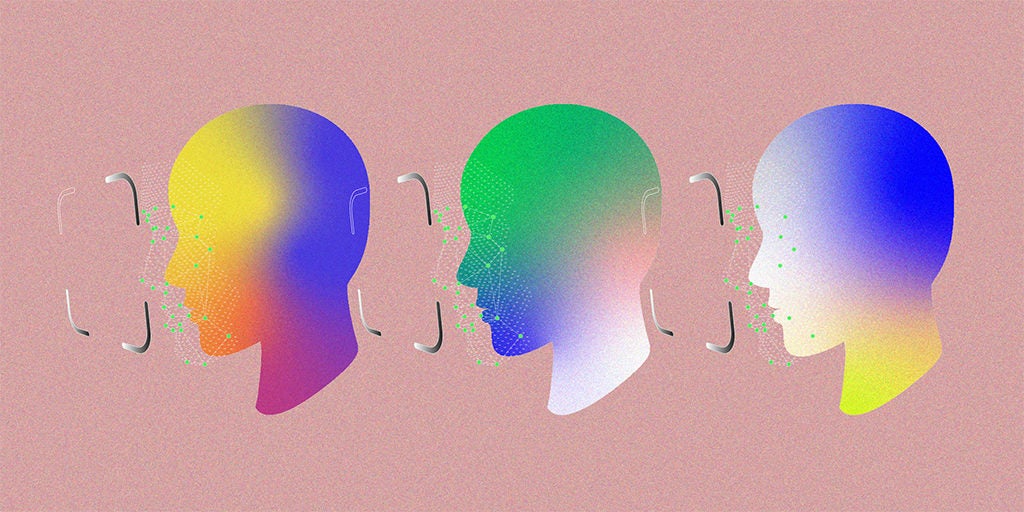
AI Facial Recognition – Has It Gone Too Far?


Right now the future of marketing is in AI - artificial intelligence - which employs systems with the ability to automatically learn and improve from experience without programming (read last blog about Woke Capitalism here).

But when is this a violation of user privacy? How much is too much for demographic targeting?

AI-driven algorithms build a mathematical model based on sample data, known as "training data", in order to make predictions or decisions.

The way it’s used today can get pretty intimate about your personal details - especially with facial recognition software.

Machine learning correctly determines a lot about you — for example it can tell if you’ve recently got married, predict your sexual orientation, purchased a new home, whether you’re pregnant and even whether you’re about to quit your job.

Marketers can determine race based on the type of Facebook pages you like. Combine that with facial recognition software - and some scenarios feel like Will Smith in Enemy of the State.

Credit: BBC.com


The Chinese government track minorities such as the Uyghurs using facial recognition.

As Tech Crunch Reports:

“The database processed various facial details, such as if a person’s eyes or mouth are open, if they’re wearing sunglasses, or a mask — common during periods of heavy smog — and if a person is smiling or even has a beard.”

“The database also contained a subject’s approximate age as well as an “attractive” score, according to the database fields.”

“The Chinese government has detained more than a million Uyghurs in internment camps in the past year, according to a United Nations  human rights committee. It’s part of a massive crackdown by Beijing on the ethnic minority group. Just this week, details emerged of an app used by police to track Uyghur Muslims.”

The world's largest association of computing professionals,The Association for Computing Machinery, is calling for an "immediate suspension" of the private and governmental use of facial recognition technologies for "technical and ethical reasons."

NBC News reports:

"The technology too often produces results demonstrating clear bias based on ethnic, racial, gender, and other human characteristics recognizable by computer systems," the group's U.S. Technology Policy Committee said in a statement.

"Such bias and its effects are scientifically and socially unacceptable."

"The association acknowledged that facial recognition technology can be "benign or beneficial," but it said its use has "often compromised fundamental human and legal rights of individuals to privacy, employment, justice and personal liberty."

At the end of 2019, researchers for the National Institute of Standards and Technology, an agency of the Commerce Department, discovered facial recognition algorithms falsely identified African American and Asian faces 10 to 100 times more often than Caucasian faces — a glitch proven with the wrongful arrest of Robert Williams.

It isn’t just the abuse of power from ruling classes that may cause many to raise an eyebrow - it’s also the potential of data leaks to jeopardize vulnerable groups of people targeted by racist or religious persecutors.

Security lapse exposed a Chinese smart city surveillance system


On the flip side, activists have used facial recognition, powered by AI to identify police officers who hide their badge numbers in cases of police brutality.

“For a while now, everyone was aware the big guys could use this to identify and oppress the little guys, but we’re now approaching the technological threshold where the little guys can do it to the big guys,” Andrew Maximov, a developer working on a similar project, told the NYT.

“It’s not just the loss of anonymity. It’s the threat of infamy.”

Credit: www.nytimes.com/wirecutter/


How AI-Driven Facial Recognition Works

Facial recognition is built from proprietary algorithms and has 3 main phases:

Detection, Attribution and Recognition.

Detection locates a face inside a picture.

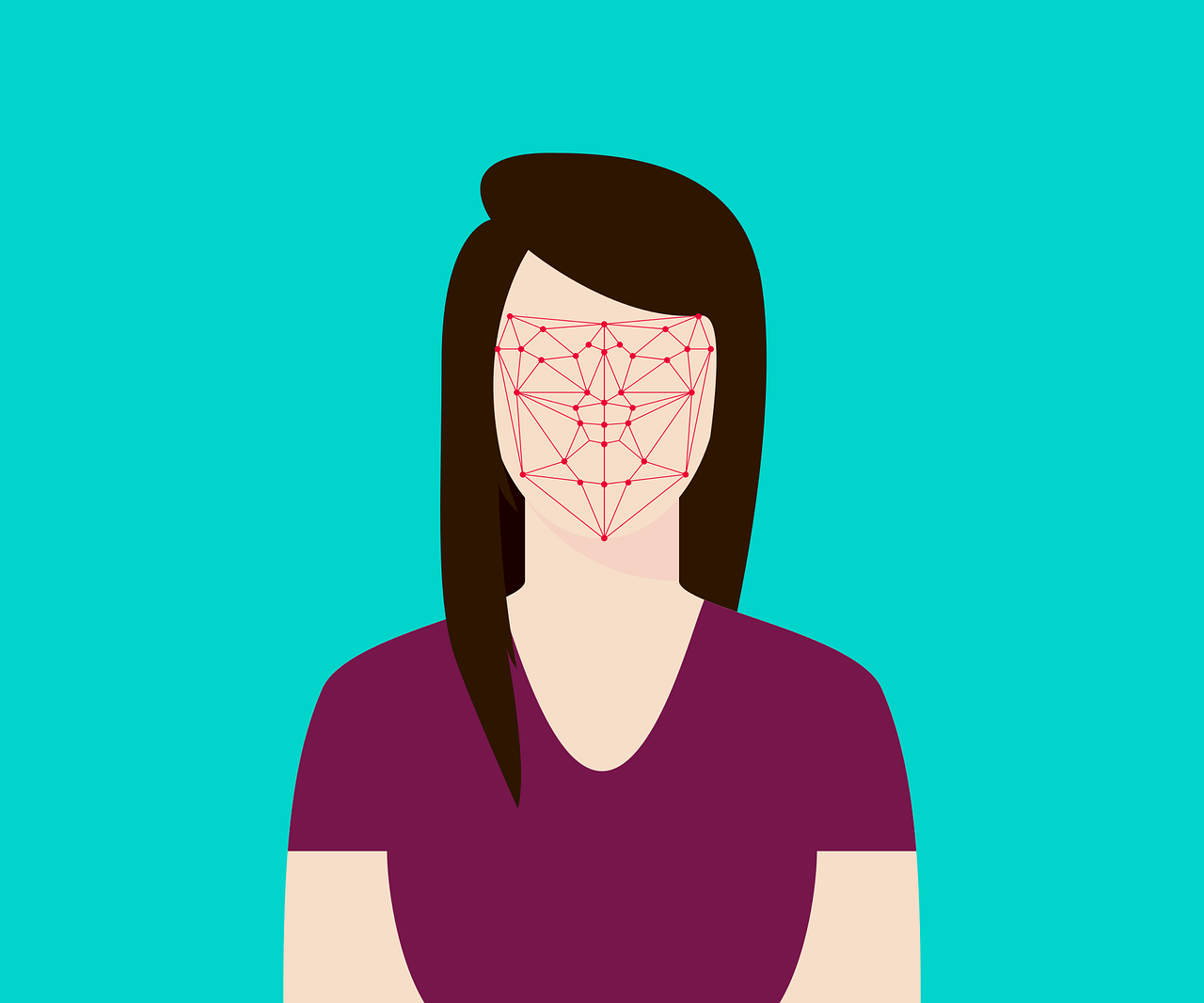
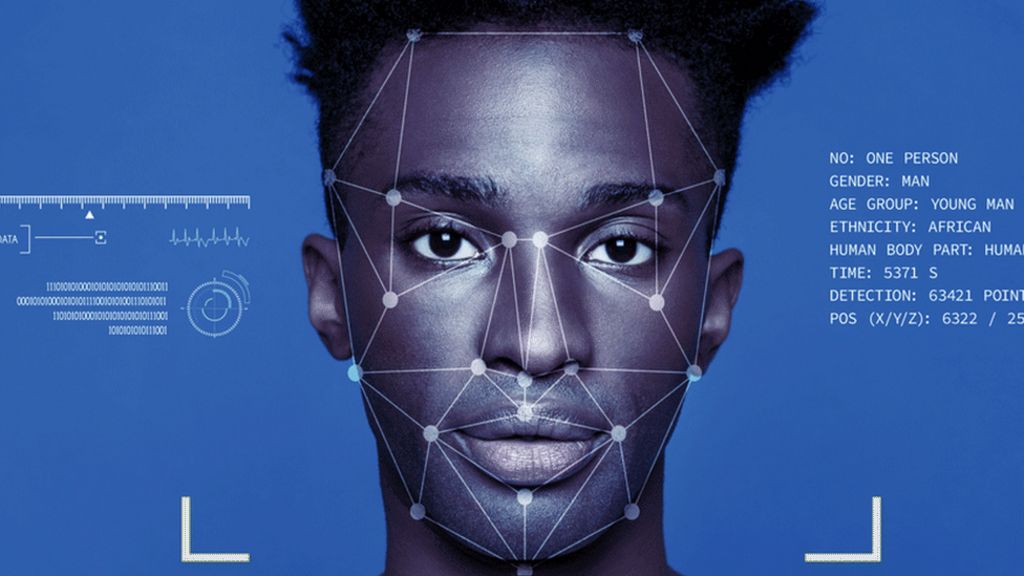
Attribution maps points on a face using the distance between the eyes, the shape of the jaw line, the space between the nose and mouth. Then it converts this into a string of numbers called a “faceprint”

Recognition is where your identity is associated with the figure in the photo.

AI machines are fed thousands of photos to train the machine to recognize faces, the more diverse the collection of photos are the better the algorithm gets at identifying people in the photo.

A Brief Timeline of Facial Recognition

Facial recognition’s first giant shift to the public limelight was in 2001 with much controversy. In 2001, US law enforcement used facial recognition on crowds at Super Bowl XXXV. Critics accurately described it as a violation of Fourth Amendment rights against unreasonable search and seizure.

Originally started by Woodrow Wilson Bledsoe who developed a system of data point measurements to classify photos of faces in the 1960s unnamed organizations funded his research that was never publicly published. There is evidence indicating the police were interested from the beginning in facial recognition.

2001 also saw the first widespread police use of the technology with a database operated by the Pinellas County Sheriff’s Office, now one of the largest local databases in the country.

Fast forward to 2008, when Illinois’s Biometric Information Privacy Act went into effect, becoming the first law of its kind in the US to regulate the illegal collection and storage of your biometric information, including photos of faces.

Enter the 2010s which jumpstarted the more modern era of facial recognition. The introduction of neural networks made facial recognition a standard feature.

Three years later in 2011, facial recognition confirmed the identity of Osama bin Laden.

In 2014, Facebook publicly revealed its DeepFace photo-tagging software, the same year Edward Snowden released documents showing the depth that the US government was collecting images to build a database of your personal information.

One year later in 2015, Baltimore police used facial recognition to identify people who protested Freddie Gray being killed by the police, breaking his spine while in a police van.

Target revealed a teen was pregnant to her father through sending her coupons for baby items and that was one of the bigger headlines about machine learning in advertising as well.

As of 2020, Microsoft will ban police use of its controversial facial-recognition systems while Alphabet and Google CEO Sundar Pichai suggests a temporary ban, as recently suggested by the EU, might be a good step in the right direction.

The Sophistry of Compliance

Facial recognition—the software that maps, analyzes, and then identifies the identity of a face in a photo or video—is one of the most powerful surveillance tools ever made.

It's so part of everyday life as many use facial recognition just as a way to unlock their smartphones or organize their pictures, it's easy to just accept. But how big corporations and governments use it is going have a much bigger effect on our lives.

If it's your phone or computer that you own, you can opt out of or turn off facial recognition, but the prevalence of cameras everywhere makes this tech more and more difficult to avoid in the public space.

Serious concerns about this prevalence are magnified by increased evidence of racial profiling and protester identification.

This has motivated Fortune 500 companies, like Amazon, IBM, and Microsoft, to 
put a moratorium on selling their software to law enforcement.

Yet, these will end as moratoriums are only for a designated amount of time. Each year, certain types of tech get cheaper and cheaper - the same is happening with facial recognition tech getting both cheaper and more effective.

This brings up hard questions that we all need to answer on how to regulate facial recognition, and the moral compromises many are blasé about making now but have and will jeopardize individual privacy rights.

What do you think? Has the AI machine learning gone too far with facial recognition? Do you want to be tracked at work on whether or not you’re day dreaming or staring at a screen?

If you’d like to opt out for Facebook using facial recognition on you, here’s their page for that:

An Update About Face Recognition on Facebook


Comment below with your thoughts on machine learning and facial recognition: what is acceptable and what is going too far?

Read more about how facial recognition software works here

New Solution to Facebook Ad Policy Violations

After years of working at Facebook, I understand exactly what ad copy in your funnel is triggering the automations and how to get compliant. I'm a Facebook ad policy specialist and can audit your funnel, and share what to say that Facebook wants to see instead - but just isn't telling you.

Want to book a call to talk to Facebook and get results? Get solid answers directly from the source instead of guessing, googling and playing roulette? Schedule a call with me and I can easily tell you proven reasons why the automations flag you and how to become compliant.

You'll be swapping out walking in a minefield of ad flags, to have a sure path to having your Facebook ad accounts protected from being disabled. My clients have included social media marketing agencies of Tony Robbins, Harv Eker and Dean Graziosi. I'm featured on the Queen of Facebook Mari Smith's Marketing Essentials Course.

Save energy and money - how much is it costing you to not know why Facebook is shutting you down? My calendar is here.

Tony Robbins

I get 100s of emails a week from businesses and advertisers asking for help when their facebook ad account keeps getting disabled, so my calendar gets booked fast. But if you want to get to the front, you can pre-pay for a consulting session here: Book a call

facebook ad account keeps getting disabled

If you want to skip the line before this offer ends, immediately secure an expert-level Facebook consulting call from someone at Facebook. Book a call with me now! If you're ok with waiting a bit longer, and entering the waitlist to see if you're eligible - Schedule a call or contact me via email.

Mari Smith and Trevor W Goodchild

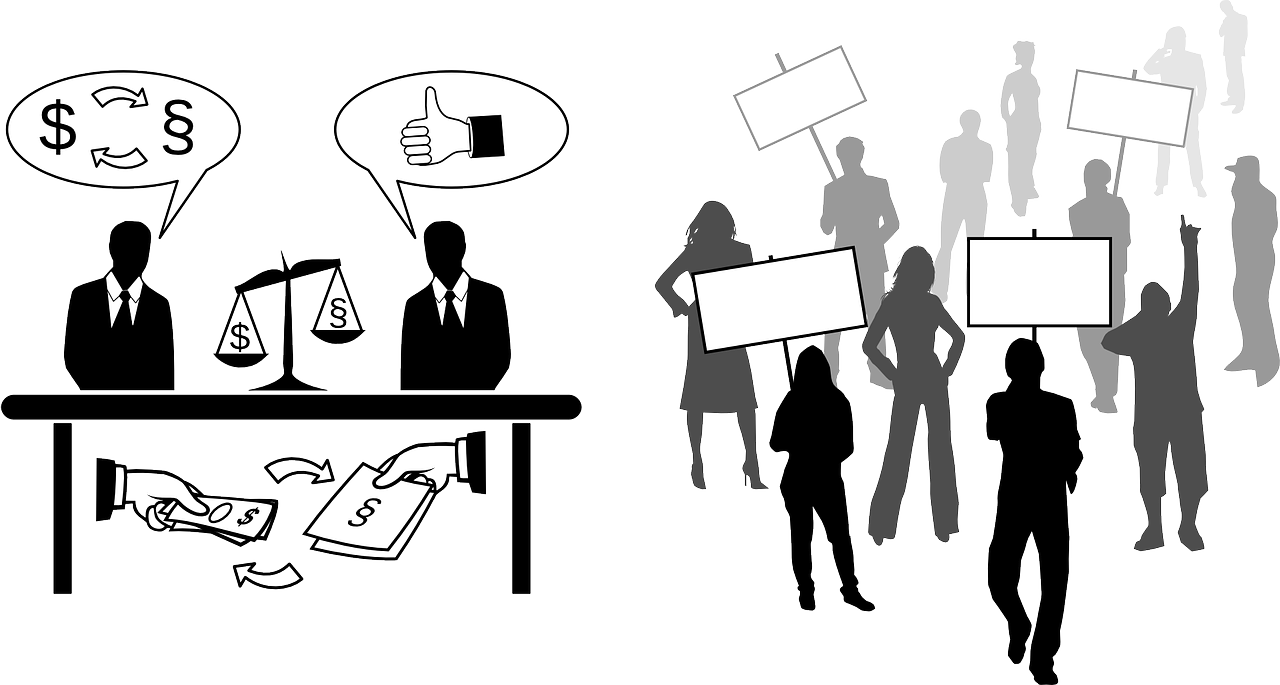
The Problem With Woke Capitalism


Progressive values are now becoming the new Nike swoosh to rebrand companies as hip and "woke."

Centuries of institutions who are built on maximizing shareholder value over ethics is now being reframed but perhaps for the wrong reasons.

The most glaring example is the 2017 Pepsi Cola commercial saying that a can of their soda will solve systemic racism in the police force. That's woke capitalism gone bad - a clear case of not seeing the trees for the forest.

The ad begins showing folks at a protest to change societal norms, such as Black Lives Matter. We begin to to see where Pepsi is going wrong right away by showing people celebrating racial inequality like it's a block party.

To put salt in a wound Pepsi underscores the legitimacy of social movements when Kendall Jenner hands a can of Pepsi to a cop in full riot gear - as if racist cops will stop shooting blacks if they drink Pepsi.

This is a mock up of Iesha Evans, a black woman who braved standing up to the police decked out in full riot gear at a BLM protest in Baton Rouge.

Credit: Jonathan Bachman/Reuters


Pepi tried to coop this significant moment showing Kendall giving a Pepsi can to the cops.

The police accepting Pepsi was some bizarre message that if you drink Pepsi, that will end police brutality and racism??


The monetization of a civil rights movement as some sort of cheap ad ploy upset the public. It was poor taste. Definitely showed how 'unwoke' the Pepsi corporation is.

The people who designed this ad are probably the same suburbanites who are unaware of their own casual racism passed down from their parents' generation - so it's the pot calling the kettle black.

The problem with woke capitalism is when there isn't an underlying understanding of how and why people care about the social justice issues, or environmental quality concerns that motivate consumers to vote with their dollar shopping at Patagonia or eating ice cream at Ben & Jerry's.

When it's just done as a marketing technique, the vibe is shallow and plastic-y. It's like the movie Wrinkle in Time - it felt so artificial the magic in the Madeleine L'Engle novel was made into a cheap thrill that felt like it was created by the monsters the children are fighting against in the novel.

But back to woke capitalism. Patagonia paid their employees while stores were closed during lockdowns as a sign they understood a business isn't just about making profits.

It's about reputation, integrity, and customer loyalty. Respecting the struggle their employees had to go through by no fault of their own was an amazing move.

Their on-site childcare for more than 30 years for employees was also a sign they humanized the work experience.

Another company worth mentioning that does woke capitalism right is the ice cream shop Ben & Jerry's.

Ben and Jerry's called to take down and dismantle white supremacy after the police killing of George Floyd. This wasn't just their attempt to jump on a 'woke capitalism trend;' they supported a congressional bill aimed at studying the effects of slavery and discrimination.

I connect with this personally as well because I grew up living in a homeless shelter and on the streets. Ben & Jerry's partnered with Lifeworks, the shelter I stayed in as a homeless teen, to offer jobs to teens trying to get off the streets who were staying at Lifeworks.

Seeing first hand, how Ben & Jerry's got involved with the Austin community, and tried to give kids a chance who were escaping a lifetime of poverty and abuse was really touching.

Each of these businesses established a brand that may not be in the majority, of giving a damn about their employees, supporting the local communities where their stores are located as well as the environment.

The thing is, a business definitely has to turn a profit more than their operating costs, employee payroll and marketing expenses.

This logic is one used for years to justify Shareholder Primacy.

Shareholder Primacy is a theory in corporate governance holding that shareholder interests should be assigned first priority relative to all other corporate stakeholders.

The shareholder primacy norm was first used by courts to resolve disputes among majority and minority shareholders, and, over time, this use of the shareholder primacy norm evolved into the modern doctrine of minority shareholder oppression.

The doctrine of shareholder's primacy is criticized for being at odds with corporate social responsibility and other legal obligations because it focuses solely on maximizing shareholder profits.

There's a balance between staying 'woke' (I say this in quotes because many people use this word in ways that portray them as anything but woke, like the Pepsi cola commercial) and staying profitable.

If we pollute more than we contribute use cap and trade taxes to pay to dirty the earth so much it's unusable for future generations - well that's just shooting ourselves in the foot.

If companies give out more money than they earn to programs that support equality and sustainability - that's a recipe for disaster as well.

The middle ground is authenticity about being woke and not just using it as a buzz word to generate more SEO for your company's website. Even if you're using the new Google search updates to get more traffic, be real about your business's intention.

Including some provisions that will mitigate the social and environmental impact of a company, and ones that aren't false like a straw man argument but actually beneficial, is the key to progress.

At the same time, with cancel culture being abundant right now, not every attack on companies is justified.

The court of public opinion can be righteous, but humans err, and mob justice can also create shock waves that destroy entire businesses.

Just as there are people on death row who are innocent - being trigger happy on both sides of the aisle isn't a solution.

The think tank, the Roosevelt Institute calls for a federal charter to “create a legal obligation for the corporation to account for the public effects of its actions” and legislation mandating that companies let workers elect “a significant portion” of their board.

Being aware of how dumping toxic sludge into water supplies - as US company Walmart has done both in America and Mexico - can affect the quality of consumer lives should be a given.

I realize many companies will resent any sort of mandate demanding they alter their business model to take responsibility for other people their business affects and at the same time I also see underrepresented groups of people like indigenous tribes in South America sorting through contaminated drinking water due to Pepsi polluting their water supplies.

I think it's worth taking a look to see how we can all do better. Specifically not just a vague marketing slogan about being woke.

What about you? You think it's ok to mandate new policies about your company's affect on the world? Comment below!

New Solution to Facebook Ad Policy Violations

After years of working at Facebook, I understand exactly what ad copy in your funnel is triggering the automations and how to get compliant. I'm a Facebook ad policy specialist and can audit your funnel, and share what to say that Facebook wants to see instead - but just isn't telling you.

Want to book a call to talk to Facebook and get results? Get solid answers directly from the source instead of guessing, googling and playing roulette? Schedule a call with me and I can easily tell you proven reasons why the automations flag you and how to become compliant.

You'll be swapping out walking in a minefield of ad flags, to have a sure path to having your Facebook ad accounts protected from being disabled. My clients have included social media marketing agencies of Tony Robbins, Harv Eker and Dean Graziosi. I'm featured on the Queen of Facebook Mari Smith's Marketing Essentials Course.

Save energy and money - how much is it costing you to not know why Facebook is shutting you down? My calendar is here.

Tony Robbins

I get 100s of emails a week from businesses and advertisers asking for help when their facebook ad account keeps getting disabled, so my calendar gets booked fast. But if you want to get to the front, you can pre-pay for a consulting session here: Book a call

facebook ad account keeps getting disabled

If you want to skip the line before this offer ends, immediately secure an expert-level Facebook consulting call from someone at Facebook. Book a call with me now! If you're ok with waiting a bit longer, and entering the waitlist to see if you're eligible - Schedule a call or contact me via email.

Mari Smith and Trevor W Goodchild


Google Search Algorithm Update – Jetski Shaman

Google’s Hummingbird Update: How It Changed Search

Source: https://searchengineland.com/

Google’s Hummingbird Update: How It Changed Search

Google just released a slew of brand new updates for their search algorithm which you'll need to stay on top of if you're using SEO and PPC ads on Google's platform (check out Real Estate price drops in the last blog)

The concept behind this move is to allow consumers to find more accurate data that isn't just what major brands have paid to alter search paths for. There are implications for social media marketers here as well.

Google Hummingbird

1. Hum to Search Audio Algorithms

This is pretty neat as I'm sure you've had a tune in your mind, know the melody but not the name of the song. Now you can just hum or whistle into the search app to find your song.


Google goes into detail here on what their thoughts are on this new feature:

"Starting today, you can hum, whistle or sing a melody to Google to solve your earworm. On your mobile device, open the latest version of the Google app, tap the mic icon and say “what's this song?” or click the “Search a song” button. Then start humming for 10-15 seconds. On Google Assistant, it’s just as simple. Say “Hey Google, what’s this song?” and then hum the tune."

You may not be able to to harness this tool for SEO as much, unless you're running a music podcast, or are creating a catchy tune that has humming as part of the chorus for a new song release.

Hummingbird Defined

2. Spell Check Enhanced

Just like typing in Gmail you'll get suggestions for finishing the rest of your sentence through AI learning, the new spelling suggestions are improved to give you better results.

Google search update

This is definitely a reason to make sure your website is free of spelling and grammar errors.

A Complete Rewrite Of The Core Algorithm

3. Index Individual Passages of Text

The search algorithm update Google made here is aimed at being able to find detailed information more related to consumer Google searches, by identifying passages of text on web site pages.

Google Humming Bird Update


This is a trend Google has been following for quite some time, where featured snippets of specific text and parts of videos are highlighted within Google searches.

Google says:

"By better understanding the relevancy of specific passages, not just the overall page, we can find that needle-in-a-haystack information you’re looking for. This technology will improve 7% of search queries across all languages as we roll it out globally."

This will affect page ranks in search queries, as well as a company's performance stats - so be sure to answer in FAQs the most frequent questions customers ask about your business.

Hummingbird Affected 90% Of Searches

4. YouTube Video Segments - Key Moments

To better serve searchers, one of Google's projects has been to index specific sections of YouTube videos and expand this to be included in more search results.

Google video section indexing

Hummingbird And Natural Language Search

Google says: "Using a new AI-driven approach, we’re now able to understand the deep semantics of a video and automatically identify key moments. This lets us tag those moments in the video, so you can navigate them like chapters in a book."

"Whether you’re looking for that one step in a recipe tutorial, or the game-winning home run in a highlights reel, you can easily find those moments. We’ve started testing this technology this year, and by the end of 2020 we expect that 10% of searches on Google will use this new technology."

This also matches up with YouTube's video chapters where YouTubers can add descriptions per video segment, using the timestamps to allow Google more contextual data for the content contained in each segment.

Now, Google is implementing AI for these video sections to add more data to search results. Make sure to include tags for your video segments.

Does The Hummingbird Update Do New Things?

5. New Subtopics for Greater Diversity of Content.

It's a bit fuzzy on how this is going to be applied but Google is using neural nets to give consumers more clickable subtopics.

Google states:

"We’ve applied neural nets to understand subtopics around an interest, which helps deliver a greater diversity of content when you search for something broad."

Hummingbird Did Not Initially Affect SEO

As an example, if you search for “home exercise equipment,” we can now understand relevant subtopics, such as budget equipment, premium picks, or small space ideas, and show a wider range of content for you on the search results page. We’ll start rolling this out by the end of this year."

This helps you pair your listings to more relevant categories, stemming from the most frequently used filters and search terms which is worth considering when implementing SEO.

For the full deets on Google's Search Algorithm Updates 2020 navigate here.

What's your favorite new search feature and how will you use it? Comment below!

New Solution to Facebook Ad Policy Violations

After years of working at Facebook, I understand exactly what ad copy in your funnel is triggering the automations and how to get compliant. I'm a Facebook ad policy specialist and can audit your funnel, and share what to say that Facebook wants to see instead - but just isn't telling you.

Want to book a call to talk to Facebook and get results? Get solid answers directly from the source instead of guessing, googling and playing roulette? Schedule a call with me and I can easily tell you proven reasons why the automations flag you and how to become compliant.

You'll be swapping out walking in a minefield of ad flags, to have a sure path to having your Facebook ad accounts protected from being disabled. My clients have included social media marketing agencies of Tony Robbins, Harv Eker and Dean Graziosi. I'm featured on the Queen of Facebook Mari Smith's Marketing Essentials Course.

Save energy and money - how much is it costing you to not know why Facebook is shutting you down? My calendar is here.

Facebook ad policies

I get 100s of emails a week from businesses and advertisers asking for help when their facebook ad account keeps getting disabled, so my calendar gets booked fast. But if you want to get to the front, you can pre-pay for a consulting session here: Book a call

facebook ad account keeps getting disabled

If you want to skip the line before this offer ends, immediately secure an expert-level Facebook consulting call from someone at Facebook. Book a call with me now! If you're ok with waiting a bit longer, and entering the waitlist to see if you're eligible - Schedule a call or contact me via email.

Mari Smith and Trevor W Goodchild

COVID’s Effect On Real Estate – Prepare For A Price Drop

The normal commute to an office building for the typical 9-5 has been severely disrupted due to social distancing regulations and government-mandated capacity limits. As a result, office real estate space is gutted.

Single-family home values may see an uptick as families seek to get out of cities and move to the suburbs for more distancing in response to C-19 but office spaces, retail and hospitality are greatly under capacity.

Real estate values may fall as much as 10% next year, according to Emerging Trends in Real Estate® United States and Canada 2021.

The 42nd annual report makes points that even those without any interest in real estate trends can see:

Lockdowns, capacity limits and travel bans have pushed consumers away from retail establishments and presented a clear and present danger to long-term viability of the walk-and-shop model for customer traffic sources.

Amazon has replaced many stores the public used to use for even basic household supplies and according to 2/3rds of more than 1,600 real estate industry experts cited in the Emerging Trends report, business owners should sell their stakes in retail malls.

There's a high chance that many deserted real estate spaces in retail will be converted to health care facilities.

As a direct response of many retailers pulling out, the real estate spaces that are available are overpriced. It's a familiar phenomena - when there is less demand, jack up the prices to get more from every sale.

This is true for specialty diet foods as it is for niche sectors of any market struggling to exceed expenses with higher profit margins.

Another reason why home building is on the rise where hotels are barely managing to break even and retail is on a downturn is due to low mortgage rates.

Mortgage rates dipped this week, returning to record lows. The average 30-year fixed-rate loan now stands at 3.05 percent, according to Bankrate’s weekly survey of large lenders.


Low-income housing projects are stalled and despite the moratorium on evictions by tenants who can't pay rent due to job losses from COVID-related economic downturns - they'll still be responsible for back pay of the missed rent months.

Public housing has stagnated for decades after the Clinton administration without politicians promoting significant structural reform and providing adequate resources to help raise Americans from poverty.

That is mainly the result of adhering to the philosophy of Jack Kemp, the Housing and Urban Development Secretary during the George H.W. Bush presidency.

Under the guise of "empowerment" that Kemp co-opted,he advocated for cutting federal funding for public housing. Democrats and Republicans both ignored the necessity of adequate funding, and control over that funding, for achieving actual empowerment.

Congress and HUD cut the budget for public housing by a whopping $17 billion during the Clinton administration alone, and that trend has continued til today. Covid only being the latest reason why low-income housing won't be on the rise.

For more information on the history of the structural issues contributing to racial and economic inequality, the Washington Post covers that topic here.

Over more than 60% of survey respondents shared that businesses who use office space will redesign that space for social distance policies that create new forms of collaborative, IRL work.

It is uncertain on if this means companies will rent larger offices, more floors in a skyscraper or just shift how they organize their current office space.

One of the opinions of those interviewed in this survey is that many offices will remain the same, but there will be a split labor force between those working in redesigned spaces and others working remotely from home.

Another view from experts that were interviewed is that the demand for office space in a professional setting such as We-Work or the standard 9-5 office may plummet as much as 15% going forward.

It's likely that after extended periods of vacancy office real estate prices are going to have to lower their asking rates for fiscal survival, regardless of how full or empty a rented space is, as the current prices aren't sustainable.

Given stay-at-home orders and the massive amount of fear and uncertainty among consumers, online shopping has seen a large spike.

Ecommerce businesses are prospering as a result, and warehouse real estate isn't seeing the same down turn as retail.

The industrial sector has become the pearl of the commercial real estate market, and experts agree it’s going to continue that way into 2021.

A panel of real estate and third-party logistics (3PL) professionals talked about the resilience of the warehousing and logistics sector and the resulting demand for space in the months ahead at September’s Council of Supply Chain Management Professionals’ (CSCMP) EDGE conference.

What trends have you noticed in real estate for 2020? Before making a decision, make sure to cultivate a few opposing view points to balance your strategy as discuss in my last blog.

Do you think there will be a rise in a few months for mortgage rates? Comment below!

New Solution to Facebook Ad Policy Violations

After years of working at Facebook, I understand exactly what ad copy in your funnel is triggering the automations and how to get compliant. I'm a Facebook ad policy specialist and can audit your funnel, and share what to say that Facebook wants to see instead - but just isn't telling you.

Want to book a call to talk to Facebook and get results? Get solid answers directly from the source instead of guessing, googling and playing roulette? Schedule a call with me and I can easily tell you proven reasons why the automations flag you and how to become compliant.

You'll be swapping out walking in a minefield of ad flags, to have a sure path to having your Facebook ad accounts protected from being disabled. My clients have included social media marketing agencies of Tony Robbins, Harv Eker and Dean Graziosi. I'm featured on the Queen of Facebook Mari Smith's Marketing Essentials Course.

Save energy and money - how much is it costing you to not know why Facebook is shutting you down? My calendar is here.

Tony Robbins

I get 100s of emails a week from businesses and advertisers asking for help when their facebook ad account keeps getting disabled, so my calendar gets booked fast. But if you want to get to the front, you can pre-pay for a consulting session here: Book a call

facebook ad account keeps getting disabled

If you want to skip the line before this offer ends, immediately secure an expert-level Facebook consulting call from someone at Facebook. Book a call with me now! If you're ok with waiting a bit longer, and entering the waitlist to see if you're eligible - Schedule a call or contact me via email.

Mari Smith and Trevor W Goodchild


Why You Should Disagree With Yourself

You should disagree with yourself when you're about to make a business decision here's why:

Every time we re-affirm what we think we know, we restrict our vision and ignore more possibilities.

There's a reason why think tanks like the Brookings Institution or the Earth Institute are comprised of many minds; additional perspectives help reveal more insights when working together.

When you begin to toss an idea around for a change in your startup company, or are problem solving ask yourself:

"What are my existing beliefs and preconceptions?"

And just as importantly ask, "Do I really want this theory to be true?"

If you answered yes, that's a red alert that you may be filtering new info through a tinted lens which won't reveal the bigger picture of what's possible.

So be careful if you're feeling yourself leaning towards one conclusion already, because you may overlook flaws in this idea and misread signals as something you want to see rather than reality.

That can be a fatal flaw when starting a business, launching a product, adding a new service or simply taking a new direction for your company or life.

When you're launching a new type of business that you haven't done before, it's good to ask:

"What's missing?"

This is great for analyzing any gaps in the competition as well as your initial blueprints or launch plans.

After you've thought long and hard about what's missing, and feel like you've gotten as far as you can, ask:

"What else?"

Be deliberate about finding your own blind spots. Disagree with yourself when you're quick to say everything is perfect.

Just like the How to Think Like A Winner blog, discusses looking at your business like a competitor who wants to destroy your company, you want to shift perspectives for maximum effect.

Here's another way to look at your new ideas, or plans: view them as a theory before committing to them.

When scientists create a theory, it isn't cast in stone. A theory isn't proven right it's just not proven wrong. After scientists work really hard to disapprove their theory and can't easily do so, that's the moment when a theory starts to be taken seriously.

And after a lot of time passes, new facts can come to light that shed more light on this theory, what's wrong about it or why it is more right than we first thought it would be.

So try to disprove yourself when you're convinced that your new idea is going to be the money-maker.

If you're feeling confident about your approach to solving a problem, ask what else can go wrong?

Disagree with your own conclusions and see if you can hold 2 opposing view points about the same issue in your mind at the same time.

The idea isn't to unnecessarily create inner conflict but it's to illuminate the range of possibilities beyond what your initial impulses are.

Poking holes in your theories is what makes them stronger because as you do so, you'll find new solutions as well.

It's akin to a great sales pitch. A great sales pitch doesn't just tell you everything is going to work out perfectly: it acknowledges the objections you may have and then overcomes them.

Get into the habit of asking yourself:

"What am I completely wrong about?"

Empty the recycle bin of your wrong ideas because when you do so it makes a new space for good ideas to emerge.

"One mark of a great mind, is the willingness to change it." - Walter Isaacson

You may need to get some breathing room from your ideas. Put them down for a while and come back to your notes in a day or two. Or even a week.

Writing in my journal since I was a teen has helped me see my own personality with new eyes as multiple versions of who I am, was, and am becoming get to look back and see things my old me didn't see.

It's an incredible tool not enough people use.

You should disagree with yourself - constructively with the intent of improving the design - because if you don't someone else will come along and prove you wrong eventually.

A mouse that believes and convinces itself to believe there are never any cats around is just prepping itself to become a feline dinner.

The ultimate goal here is to discover what's right not just to be right.

The most incredible minds of past and present generations used a series of thought experiments to challenge assumptions on how the world works.

Niels Bohr and Albert Einstein debated about quantum mechanics and the uncertainty principle about the impossibility of determining both the exact location and momentum of subatomic particles.

Source: https://www.youtube.com/watch?v=SBgC0PyIomU


Their public debates sparked new ideas for both scientists, as each questioned the other's conclusions and didn't just accept they were completely right.

What you see and experience in life is always through your own eyes. You won't know how to ask about what you don't know. What may seem pretty obvious to other people isn't as obvious or clear to you.
Other people who aren't attached to your own view of life and the world don't have the same emotional ties and beliefs to your opinion on a topic. This means they won't automatically reject info that conflicts or disagrees with your world view.

That's not to say this is easy. Tribalism has re-emerged in the internet echo chambers of social media. As the 2016 election showed us, sites like Facebook enhances this tribalism and encourages us to only search out ideas that agree with our own.

This is the confirmation bias turbo-charged. We add people on Facebook and Twitter and Instagram that match our existing interests. We get newsletters from blogs that agree with our dominant world view and opinions.

It's far too easy to cultivate a circle of "yes men" that just reiterate our existing feelings and belief systems. That's part of how systemic racism still pervades our government, police force and politics - opposing ideas aren't nurtured to question preconceived notions.

When the circular logic of an idea is repeated by other people, we then feel it is more right, the more people say it even if it's completely wrong and uncalibrated with reality. (How else do you think flat-earthers still exist?)

Just like the mouse that thinks there are no cats meeting other mice that also think cats aren't around - we fall victim to the over confidence of group thinking on one single narrative.

Without opposing ideas there to make us re-think assumptions, we are also food for cats when we are busy just hearing the same ideas repeat and pretending that ideas that don't agree with ours don't exist.

In order to continue to grow and develop, whether that's for a new business strategy or new look at our life perspective we have to make the decision to step outside the circle of yes-men.

We benefit from asking ourselves:

"Who disagrees with me about this topic?"

Getting a contrasting opinion about our thoughts and opinions on a new venture and being open to having our ideas challenged just strengthens critical analysis skills.

Rest in peace to Ruth Bader Ginsburg - she had her Antonin Scalia to bounce ideas off of and dissent with. Einstein had his Niels Bohr.

Here are a few tips if you'd like to test your ideas out before risking putting your eggs all in one basket:
1. Hold 2 Opposing Views for New Launches

Come up with some disagreements for your ideas going forward and see if you can make headway on a third new idea that is balanced between the two.

2. Seek Colleagues Who Already Disagree With You

I have a friend who is an engineer and she frequently disagrees with me but, her views are well-informed. Even if we don't agree - a lively discussion results in new ideas outside our own echo chamber.

Seek out personal or business colleagues who are willing to challenge your ideas.

3. Ask Your Friends to Disagree With You

Your friends that you normally always agree with can play devil's advocate in a discussion about your new business strategy and poke holes in it to allow you to solidify a better plan. One of my business associates and friends runs several giant entrepreneur Facebook groups. I frequently bounce business ideas off of him and ask for his critique. I have benefited from learning how and why he may disagree with me.

4. Question How You're Wrong

Simply ask yourself, "How could I be wrong here?" and do some free writing to see what your first impulses come up with.

5. Create An Imaginary Opponent - Even Model It After Someone Famous In Your Field

Think about famous people who hold an opposing view to yours about certain topics, and make a mental model of them to argue with.

This can be fun - imagine Steve Jobs sitting on your shoulder disagreeing about the aesthetic design of your new product. I disagree with Elon Musk's cyborg dreams of implanting microchips in our brains - arguing with Elon on other topics related to my field of business produces new insights I wouldn't have otherwise of thought of.

Just make sure you give your mental model real teeth and not straw man arguments where the other side's view is so extreme it's a little too easy to dismiss.

Taking a page from the vice-chairman of Berkshire Hathaway, Charlie Munger, remember:

"You're not entitled to take a view, unless and until you can argue better against that view than the smartest guy who holds that opposite view."

How do you plan on using this strategy in your business? Comment below!

New Solution to Facebook Ad Policy Violations

After years of working at Facebook, I understand exactly what ad copy in your funnel is triggering the automations and how to get compliant. I'm a Facebook ad policy specialist and can audit your funnel, and share what to say that Facebook wants to see instead - but just isn't telling you.

Want to book a call to talk to Facebook and get results? Get solid answers directly from the source instead of guessing, googling and playing roulette? Schedule a call with me and I can easily tell you proven reasons why the automations flag you and how to become compliant.

You'll be swapping out walking in a minefield of ad flags, to have a sure path to having your Facebook ad accounts protected from being disabled. My clients have included social media marketing agencies of Tony Robbins, Harv Eker and Dean Graziosi. I'm featured on the Queen of Facebook Mari Smith's Marketing Essentials Course.

Save energy and money - how much is it costing you to not know why Facebook is shutting you down? My calendar is here.

Tony Robbins

I get 100s of emails a week from businesses and advertisers asking for help when their facebook ad account keeps getting disabled, so my calendar gets booked fast. But if you want to get to the front, you can pre-pay for a consulting session here: Book a call

facebook ad account keeps getting disabled

If you want to skip the line before this offer ends, immediately secure an expert-level Facebook consulting call from someone at Facebook. Book a call with me now! If you're ok with waiting a bit longer, and entering the waitlist to see if you're eligible - Schedule a call or contact me via email.

Mari Smith and Trevor W Goodchild


The New Global Privacy Control – Internet Wide Consumer Privacy Protection

Source: https://globalprivacycontrol.org

Today privacy is a major concern due to the stolen data debacles of Cambridge Analytica.

The International Organization for Standardization (ISO) just launched the Global Privacy Standard to help protect consumer privacy rights across the entire internet.

The ISO is an international standard-setting body made of representatives from various national standards organizations and it's headquartered in Geneva, Switzerland.

Founded in the 1920s, the ISO has 164 national members from all over the globe, as this map of voting members of the ISO depicts:


There are many precedents for why taking a more active stance on protecting user data is taking center stage now. Violating consumer privacy rights has legal and financial consequences.

The U.S. Federal Trade Commission fined Facebook a stunning $5 billion in the same week that it fined Equifax $575 million due to these companies deceiving users about their ability to control the privacy of their personal information.

If you've ever run Facebook ads targeting consumers in England you've encountered warnings and had to agree to new terms.

As discussed in my blog about the Limited Data Use policy (LDU) for advertising in California, new laws have been passed in the US and the UK govern when and how companies can use your data.

Many businesses have started integrating privacy into their unique selling propositions like search engine provider DuckDuckGo.

Facebook still has to submit quarterly certifications that the company is in compliance with the privacy program mandated by the FTC’s new 20-year settlement order.

Social media companies are under a new level of scrutiny for how they capture data from users and use it in retargeting ad campaigns.

That's not to say social media marketing is going away anytime soon.

(Check out the last blog about top tips for how to use Instagram Reels for your business).

A coalition of tech companies, activist groups and publishers, which include Mozilla, DuckDuckGo and the Electronic Frontier Foundation, are supporting a new standard to allow internet users set their privacy settings for the entire web.

The Global Privacy Control, gives users a single setting in their browsers or through browser extensions instructing every website they visit not to sell or share their data.

This privacy control is already supported by The Washington Post, The New York Times, and the Financial Times. It's also backed by Automattic, which manages the blogging sites of Tumblr and wordpress.com.


While it's going to take some time to implement on this level,Peter Dolanjski, director of product at DuckDuckGo and other supporters of the privacy control think that this may offer legal protection for consumers whose data was sold without their permission going forward.

This is because using the Global Privacy Control, under the California Consumer Privacy Act, can potentially let users send a legally binding request to website owners to not sell their data.

Additionally, the privacy control setting may also be enforceable under Europe’s General Data Protection Regulation.

The ISO backers of the standard are making plans to communicate with European privacy regulators on the exact details of how that would work, according to Dolanjski.

Back in the day, Do Not Track offered a false sense of hope to consumers that they wouldn't be tracked across the web after clicking on one ad.

Do Not Track was a browser setting that was created after the FTC's 2003 Do Not Call registry launched.

But in reality Do Not Track may help ad networks “fingerprint” a browser, a technique used by tracking systems to kill ad blockers by identifying unique characteristics in a user’s browser configuration.

The Global Privacy Standard shows more promise for consumers to have a sweeping internet-wide protection of privacy and possibly with legally enforced support.

What's never mentioned in public forums, Senate meetings with heads of big tech, and publicized discussions about consumer privacy, is the impact of these new regulations on advertising companies.

While it is important to protect consumer privacy, the power of retargeting to sell products is huge. When it's done accurately, I don't mind being retargeted with ads that match my interests.

Marketers have families too. They support their families through running successful ad campaigns.

Being a marketer or owning a company with a social media marketing team doesn't automatically equal bad business ethics or stealing data.

Not every ad campaign that's run is based off of an illicit thieving of personal data. A lot of the hostile encounters between consumers and ad companies come from a simple lack of understanding for how ads work.

If you have any doubt of that, simply look at Mark Zuckerberg explaining the internet to Congress:


It isn't widely known what cookies are, how they are used, and how you can opt out of being tracked.

Simply using an internet browser you don't log into social media with or your email with for google searches can help you filter which ads you're retargeted with.

I know many marketers whether they run Chat bot marketing firms, or social media agencies or train people how to become a marketer who have a heart of gold.

When I took a course by Amy Porterfield I was surprised at her kindness and human approach. Some of the best people I know are heart-based marketers that also want to impact the world in a positive way.

At the same time, there are plenty of 'used-car-salesmen' vibe sales people who really don't care how they affect the world and use unethical methods of getting consumer data and targeting them with ads.

Overall, I still think it's worth asking:

"How do these new regulations, and settings affect the ad industry negatively? To what extent?"

"How many people who are now forced to move online due to covid regulations are going to have trouble making their rent or paying their bills due to more restrictions on advertising?"

These are valid questions to ask when an existing industry is turned on its head due to the mistakes of major players like Facebook, for not protecting massive amounts of users' privacy.

If we look at the last presidential election in 2016, and consider the impact of the Russian hackers with fake Facebook profiles, disinformation that influenced the election results, hate mongering to destabilize America and pit people of different races against each other - it's clear there needs to be oversight here.

There needs to be assurances and triple checks on not just consumer data, but the security of social media sites with large echo chambers of influence.

One of the biggest causes of some of the negative aspects of today’s internet experience is from filter bubbles and misinformation to discrimination based on people’s behavior and perceived demographics.

Which, just to say it plainly, is social media sites' algorithms saying essentially, "Oh you seem like you're saying some racist things, here are more racists who agree with you we'll show you on the News Feed to keep you more engaged and spend a longer amount of time on our website."

The draw back of this is that people just get a confirmation bias on steroids without being exposed to equally valid opposing views on the same topic.

“It’s all traced back to the same behavioral data profiles,” says Gabriel Weinberg, CEO of DuckDuckGo.

On one hand, we definitely need to re-tool how everyday people are fed the same type of info on social media and definitely not steal data from consumers who have opted out.

On the other hand, we also would benefit from taking into account where the balance is for restrictions on advertising and keeping the industry from suffering the same sort of economic depression that hit so many businesses after covid regulations went into play.

What is your opinion about consumer privacy rights? Do you think we should also consider the ability of advertisers to make a living when creating new restrictions on running ads?


               .  .  .

New Solution to Facebook Ad Policy Violations

After years of working at Facebook, I understand exactly what ad copy in your funnel is triggering the automations and how to get compliant. I'm a Facebook ad policy specialist and can audit your funnel, and share what to say that Facebook wants to see instead - but just isn't telling you.

Want to book a call to talk to Facebook and get results? Get solid answers directly from the source instead of guessing, googling and playing roulette? Schedule a call with me and I can easily tell you proven reasons why the automations flag you and how to become compliant.

You'll be swapping out walking in a minefield of ad flags, to have a sure path to having your Facebook ad accounts protected from being disabled. My clients have included social media marketing agencies of Tony Robbins, Harv Eker and Dean Graziosi. I'm featured on the Queen of Facebook Mari Smith's Marketing Essentials Course.

Save energy and money - how much is it costing you to not know why Facebook is shutting you down? My calendar is here.

Tony Robbins

I get 100s of emails a week from businesses and advertisers asking for help when their facebook ad account keeps getting disabled, so my calendar gets booked fast. But if you want to get to the front, you can pre-pay for a consulting session here: Book a call

facebook ad account keeps getting disabled

If you want to skip the line before this offer ends, immediately secure an expert-level Facebook consulting call from someone at Facebook. Book a call with me now! If you're ok with waiting a bit longer, and entering the waitlist to see if you're eligible - Schedule a call or contact me via email.

Mari Smith and Trevor W Goodchild

Hot Tips For The New Instagram Reels

Credit: Hootsuite


While DJ Ricky Desktop is going viral on TikTok we have a new tool to reach out audiences:

Instagram Reels

(Check out the last blog on Einstein's technique for Combinatory Play)

Here's a few tips for using Instagram Reels:

Instagram Reels for Business Tip #1: Show Behind the Scenes

People love to see what’s behind the scenes. Whether that’s the making of a movie, a Netflix documentary, or the real life behind the camera for a celebrity - people are addicted to finding out what’s really going on.

You can leverage this instinct for your business by showing a human side, that’s less than picture perfect. This will help create an authentic connection between your audience and your brand.

Instagram Reels for Business Tip #2: Over Deliver High Value Content

Posting high value content is a great way to build a community. There’s the reciprocity factor once you give your followers your top tips they’ll feel loyalty to your brand.

Highlight ways your audience can save time by using tried and trued methods you can share and increase the know-like-and-trust factor.

Instagram Reels for Business #3: Review Services or Products

Some of the greatest brand launches have come from partnerships between existing companies and influencers.

A great example is when Devin Graham (@devinsupertramp), a YouTube influencer with nearly 5 million subscribers partnering with Subaru.

Graham published a video of him and his friends taking turns on a slip and slide that propelled them (and their parachutes) off a 500-foot cliff for Subaru’s #MeetAnOwner campaign, showcasing the new Impreza.


Equally important is since Reels are pushed out on the Reels Explore Page, IG users who don’t follow you will see your content — this has potential!

Lagavulin is well-known among whisky aficionados but not as much for casual drinkers.

Lagavulin changed this practically overnight with a video featuring Nick Offerman who played the “man’s man” Ron Swanson on Parks and Rec.

Offerman sits in complete silence for 45 minutes sipping a glass of Lagavulin next to a cackling fire. Whisky aficionados liked this so much they created a 10 hour loop of Offerman drinking whisky:


Why this works is because Offerman isn’t a Brad Pitt - he’s lesser known with his own cult following, which is the definition of a micro-influencer.

The whole video feels absurd and like an inside joke but it worked like gangbusters for Lagavulin because of the targeting and match between Offerman’s personality and the whisky’s brand persona.

Think about using this approach with Instagram Reels and see which influencers match your brand you can feature on your channel.

For a more hands on guide, Guiding Tech has a great article about IG Reels here.

No matter what you do, it's an exciting new tool and the key to maximize new feature releases by social media sites is to dig in and use them a lot, consistently during the first few months of launch.

What is your favorite Reel so far? Post either links to your own fav from a public figure or one you're really proud of creating below:


               .  .  .

Enjoyed this blog? Signup here to get updates on new startup blogs.

Is Facebook not explaining why they disapproved an ad?
I worked at FB for years and offer FB Policy Consulting here

Available for freelance writing and guest posting on your blog: [email protected]

business blog, business blog, business blog

How To Use The Einstein Technique of Combinatory Play


Have you hit a brick wall inventing a new product, trying to create a strategy for your business or personal life and felt like you're out of ideas?

You're not alone, we all get "writer's block" brainstorming how to solve persistent problems. Whether that's how to rise above the competition, fighting custody battles in split families, or creating your unique selling proposition for your service, product or business as a whole.

There is a technique that can help you break past this like the Kool-Aid Man bursting through bricks.


It's using an unrelated activity to stimulate your brain to make new connections. Einstein called this technique, thinking outside the box, but playing with multiple boxes: "Combinatory play," which he felt was essential to productive thinking.

Combinatory play means to explore a diverse collection of concepts and ideas, finding the common thread between many dissimilar fields.

Using this technique the big picture becomes more than just the sum of many different parts and it also diversifies your thinking through cross-pollination of many varied interests.

Einstein would take a break when working on a physics problem to play violin, as his form of combinatory play. On those days when Einstein would get stuck, he'd set aside his work and play the violin for a few hours.

During that break he'd suddenly get an idea that would help make a new connection to move forward on the problem at hand. Just like that.

Galileo often would spot mountains on the Moon due to his training in painting and drawing giving him a greater understanding of shading in the dark and bright regions of a landscape.

Albert Einstein first coined the phrase combinatory play in a letter to French mathematician Jacques Hadamard, but it's been used throughout history.

Taking a bath helped Archimedes discover the principle of buoyancy,Leonardo da Vinci studied placentas of calfs, jaws of crocodiles, muscles of a face, the light of the Moon, and the edge of shadows.

Einstein drew inspiration from David Hume, a Scottish philosopher who was one of the first to question the absolute nature of space and time.

Charles Darwin studied geology and economics to develop his theory of evolution.

David Bowie used a custom-developed computer program called the Verbalizer. He'd input sentences from journal entries and news articles which the Verbalizer would mix and match together.

He'd use these bizarre combinations as inspiration for writing song lyrics.

Larry Page and Sergey Brin who created Google, combined the frequency of citations used an academic paper in order to demonstrate its popularity to the internet on how many other sites link to one specific site.

This idea is what led to creating Google.

Netflix creator Reed Hastings combined the subscription model from his gym membership to video rentals after getting high late fees renting Apollo 13.

Why We Get Stuck in the First Place 

When we get used to thinking in a certain way about a particular issue or problem we're trying to solve, our brain maps this pathway through our neurons.

Our brains are always working for order and predictability, and can get pretty set in non-productive routines.

When we see something novel, the 
dorsolateral prefrontal cortex (DLPFC) part of our brain is wired to review old rules and apply them to the new situation. Our brains do not want to create new ways if it can help it.

While going back to familiar paths can work for things we automate like driving and eating, it can also restrict our creativity. So it's necessary to take a break from this part of our brain if we want to create new solutions.

This is where combinatory play can help us do this by relaxing our mind.

3 Steps to Start Combinatory Play

1. Do Something New: Let Your Guard Down to Let in New Ideas

Next time you're stuck try doing a new unrelated activity. We stress ourselves out trying to solve problems and when we switch gears to a new unrelated activity, it lowers our guard to let a free flow of new ideas, through new neural pathways be created.

2. Combine 2 Unrelated Activities Together

Playful creativity combines 2 known ideas to make a 3rd new idea possible. Doing unrelated activities with the intention of learning a new path or method for solving a problem stimulates our creativity in a fresh way. This works subconsciously so if you don't get the "ah ha" moment right away - no worries it will come.

3. Switching Point of Views is Revealing

Just like having a business consultant helps you see the same issue through new eyes, switching your own perspective through combinatory play will lead to new angles being revealed.

Try walking around your mental room and seeing the same issue from an avatar's perspective. Create a persona of another person in a new niche and think of how they would view the same issue you're looking at.

Just as different countries may be decoupling their technology, you are decoupling neural pathways that are so used to the same thoughts you get stuck.

The next time you're wanting a new break through try doing something completely different to cross-train your brain. Trello's blog has some great suggestions here:

"Take a page out of the athlete’s playbook and cross train your brain. An Olympic runner doesn’t prepare for her next competition by simply running laps on the track; she pursues other physical activities such as swimming, weight training, or even pilates, for example."

"Each cross-training activity works a different, but complementary, part of the body that will help her get stronger in her event overall. The same goes for your brain. If you’re a novelist, try your hand at poetry. If you’re a painter, dabble in sculpting. If you’re a computer scientist, play around with web design."

Taking a nap and getting into REM sleep has shown to produce new ideas just as doing something, intentionally mundane can free your self-imposed stress up allowing the brain to wander.

That's how NASA engineer James H. Crocker fixed the distorted lens of the Hubble Telescope. He saw the
European shower head in his German hotel was adjustable to fit different heights.

Crocker realized that, by using that same concept, NASA could make an automated device to reach inside Hubble and install corrective optics.

A Visual Combinatory Play Activity

Make two lists of 10 objects each on the left and right sides of the paper. Pick one from the left and combine it with one on the right. Play with the combinations until you find a promising new combination, then refine and elaborate it into a new invention.


Combining bagel with slicer yields a bagel slicer with plastic sides designed to hold the bagel and prevent rotation when slicing.

Suntan lotion and insect repellent combines to form a new product —one lotion that protects against both the sun and insects.

Cell phone and soda can inspire the idea of utilizing cell phones as devices that, with sensors, would enable users to dispense soda and other products from vending machines with the expense charged back to the vendor via the carrier.

Closing Thoughts - See Similarities in Different Things

The act alone of comparing and combining different things will inspire new ways of thinking. However, you can fast-track this by intentionally seeking to see the similarities between different ideas and activities.

Don't expect this to be a perfect fit, but you will develop new neural pathways to lead to your Eureka moment.

So for closing thoughts, I suggest you pick up a book or magazine about a subject you know nothing about. Go to another niche's business conference, and make friends with people from all types of professions, interests and backgrounds.

Initiate a conversation and ask people, "What's the most fascinating thing you're working on right now?"

When you hit that writer's block for creating anything new, ask,

"What different type of industry has faced something like this before? How did they solve it?"

You may just strike inspiration to create the next blockbuster for your business, and at the very least you'll keep moving forward, progressing your business to the next level.

So let me ask: What's the most interesting thing you're working on right now?

               .  .  .

Enjoyed this blog? Signup here to get updates on new startup blogs.
Need done-for-you Facebook marketing? Book a call with me here.

Is Facebook not explaining why they disapproved an ad?
I worked at FB for years and offer FB Policy Consulting here

Available for freelance writing and guest posting on your blog: [email protected]

business blog, business blog, business blog

Techno-Nationalism – The Story of China & US Decoupling Technology


Are we about to have a new Cold War with China and/or decouple shared technology? It's a pressing question on many businesses' minds as international relationships deteriorate and sanctions are put into place.

The partnership of think tanks and franchiser is well established between the two countries. Look on the back of any MacBook: designed in Silicon Valley, manufactured in China.

Never conflict-free Sino-U.S. relations took a more confrontational turn under Xi Jinping, the Chinese politician served as General Secretary of the Chinese Communist Party (CCP) and Chairman of the Central Military Commission (CMC) since 2012, and President of the People's Republic of China (PRC) since 2013.

Yet, the US isn't the only one wanting to decouple this tech partnership; nations who are newly industrializing are a larger export market for China than America (source Gavekal Dragonomics).

Beijing’s Belt and Road Initiative in Africa and the Middle East, using trade-based diplomacy combined with the rise of the digital renminbi, are offering new markets for China to switch to if a trade-war gets to the point where China withholds exports to the US.

If we look into past actions China has taken, we can see a pattern of restricting foreign investment across the board.

Whether that's biological security, information security, food security or just blocking non-China websites like Facebook it's clear the Chinese government wants to control the flow of information to their citizens.

Massive protests in Hong Kong, started in June against plans to allow extradition to mainland China and to allow a full democracy.

The protests combined with antagonism at US and Chinese embassies
and Trump banning Chinese-owned TikTok from the US unless purchased by a US company have created a fire storm whose final conclusions we await like an MJ popcorn meme.


With the many co-dependent economies the US has on foreign exports, maintaining diplomacy between companies would be to our mutual benefit.

Because unlike China, the US hasn't reduced their dependency on potentially hostile foreign actors who export many household items we view as a given.

Both countries seem to mirror each other in increasing national security scrutiny of data flows, expansion of export controls, and attempts to shore up supply chain security for information and communications technology products and services.

Continued tariff disputes beginning in 2018 resulted in supply chain decoupling from China already on many levels.

The 2020 coronavirus pandemic has only exacerbated this pattern and the tech sector is now ground zero for these patterns.

China has already dedicated an incredible $1.4 trillion dollars on a digital infrastructure public spending program meant to keep more of tech in house and increase their ability to compete with global markets on a new level.

At the same time, Japan has just set aside $2.2 billion to facilitate re-shoring from China.

Credit: Dilok Klaisataporn/Getty Images


Going forward, companies are going to have to accept an “in-China-for-China” business model in order to gain access the Chinese market.


Techno-nationalism when you break it down is, in essence, a mercantilist behavior which links a nation’s tech abilities and enterprise with issues regarding national security, economic profitability, and social stability.

According to The Diplomat, techno-nationalism will affect the academic and innovation landscape in three ways:

1.The impacted institutions are going to decouple from blacklisted Chinese universities and academic programs.

2. An spreading web of export controls and restrictions are going to put more pressure on institutions to fall in line with more exacting regulations.

3. New rule frameworks and good governance indicators are going to emerge throughout global academia and the innovation landscape.

This is a required response to the many decades of Beijing’s innovation-mercantilism, and the role that China’s state apparatus has played in the methodical targeting of strategic IP, technology, and human capital at the world’s top universities.

In June 2020, America blacklisted many of China’s top universities, including the Harbin Institute of Technology (HIT), which is often called the “MIT of China.”

Many U.S. businesses have put their hopes on a potential end of the Trump presidency following the November 2020 elections while big tech companies like Apple, Google, and Microsoft are moving their manufacturing plants to countries outside of China like Vietnam and Thailand.

However, even if Trump - who just got diagnosed with Covid and is in the hospital - loses and Joe Biden wins, that doesn't mean international relations will instantly ease up.

The Democratic National Committee (DNC) along with presidential candidate Biden's staff have been ordered to delete TikTok off their phones due to security risks of TikTok accessing their clipboard for saved passwords to many high level campaign websites.

What does this ultimately mean going forward?

It means globalization is going to get a little smaller, just like our social communities have after covid lockdowns in March 2020 this year.

Whether we like it nor, it appears many of the self-sufficient city planning ideas of Patrick Geddes may express themselves economically out of survival needs going forward.

Many companies will choose to create vertical integration systems like Elon Musk's rocket launch and production factories of SpaceX rather than jump through an addition 20 hoops to partner with China. 

How do you see this playing out going forward? Comment below!


               .  .  .

Enjoyed this blog? Signup here to get updates on new startup blogs.

Is Facebook not explaining why they disapproved an ad?
I worked at FB for years and offer FB Policy Consulting here

Available for freelance writing and guest posting on your blog: [email protected]

business blog, business blog, business blog

How To Think Like A Winner


"The greatest obstacle to discovering was not ignorance but the illusion of knowledge." - Daniel J. Boorstin

How many businesses have closed their doors since March 2020? Over 100,000 according to the Washington Post.

While there are certain obstacles that can't be overcome due to restrictions the government has chosen to apply to cities across the world, there is also a deeper rooted problem in how businesses think about change & admitting there may be a better way of doing things.

Why did Blockbuster go out of business despite Reed Hasting offering to sell Netflix to Blockbuster in the Y2K year of 2000, for $50 million dollars? According to Forbes, Netflix is now valued at $194 billion dollars.

It was time for a change from the old guard to the new guard, but Blockbuster fell behind because they were attached to old ideas and processes and a pretense of knowledge about their audience.

The artifice of knowledge (eg we already know it all) closes our perception from new signals from outside sources that are the catalyst for growth and opportunity.

If you'll look at any recent political issue, you can see people prefer mentally vivid images versus accurate data. The images stick with us, everyone loves a good story. But doing the legwork to verify the claims made by memes-gone-viral that doesn't interest us.

More than ever, most stuck with their habit, and routine even when the advantages of changing far outweigh the cost.

Established routines in our lives and in the businesses we work at and run can often obscure the chance to improve on the design.

When we look at processes themselves, we see that they are by definition created to solve yesterday's problems. And yet the world keeps changing with new problems but many processes stay the same.

Countless people are applying for unemployment right now, and in the state of Texas the Texas Workforce Commission's website is woefully out of date.

Many are denied claims because of this outdated technology, and the same goes for veterans who gave their eyesight, life or a limb in service of their country.

Yet VA benefits are withheld, or backlogged on a pen and pad not computerized so long that Vets often die before getting the benefits they need to survive. Especially now.

The DMV is the same way. As are many other industries. And it comes down to a way of thinking.

If we don't question the processes we are using, and treat processes like a religion, this can get in the way of progress and forward momentum.

The heart of many large organizations becomes clogged with antiquated procedures that serve no one, and benefit only those too lazy to examine what can be done that's better.

Sometimes it's important to simply ask:

"Do we own the processes we use or do the processes we use own us?"

It's easier to conform ourselves to doing things the same way they've always been done.

In fact there is even scientific data showing that fighting against the urge to conform activates the amygdala and produces pain to think independently.

One of the ways we can break free of being slaves to outdated processes that hurt our businesses like Blockbuster adhering to an unsustainable business model, is by breaking things down to their essence and shifting perspectives.

In my Elon Musk blog about First-Principles thinking, I discussed how Musk used this way of thinking to create SpaceX, reducing the cost of buying a rocket by creating a company that built and launched rockets.

Right now more than ever we need to be on the balls of our feet, ready to adapt to sudden changes in the market. I have an exercise that will you help develop first-principles thinking for your business.

Take 1 day out of your week to question what seems obvious. Question all the foregone conclusions about how things are and how they are supposed to be.

Question all the assumptions you have ingrained as just facts of life, about your business and your goals.

Question these assumptions to expose the invisible limitations that control your life and impose artificially low ceilings to what you can achieve.

With each presumption you have, ask yourself:

"How could this be different?"

"What if the way I do this was better, what would that look like?"

"Why are we doing things this way?"

"Can I replace this process with a better one? Or get rid of this process all together?"

Make sure to support your new ideas with current evidence which demonstrates feasibility, not just outdated ideas from last year's playbook.

Many of the limitations and many of the processes we created were made in response to problems that don't even exist anymore.

When we remain stuck in the perpetual unchanging loop of old processes, we don't act. When we refuse to act we become attached to the mirage of our self-importance.

New thinking risks our old image of ourselves and our business. It risks admitting we may not be as self-important as we thought, if we can find a new way to do things better than your last year's you had created.

Is it worth the risk? Well you can be broke with your pride intact like Blockbuster, or risk feeling a little less self-important with more disposable income, because you chose to re-think a better way of doing business.

And it isn't just business. You can apply this way of thinking to find the source material inside you to become the architect of the new you.

You'll have to let go of how self-important you felt about the old model but it is often required to move beyond tactics to using a winning strategy.

There is a much greater risk involved in remaining stagnant, and not acting. We've all seen massive changes since the historic COVID-19 stay-at-home orders in March this year were dictated. Trillions lost in the stock market.

Those who learned how to think about their business differently survived. But you can't just think outside the box. You have to walk around the box and say,

"If I wanted to destroy my company what would I do?"

This will let you find out ways your competition is succeeding that you aren't and ways to put redundancies in to safe guard against new market changes which threaten to destabilize an industry.

Thinking this way allows you to stay ahead of the curve. When looking at a more successful business in your niche, ask yourself - thinking about your competition's customers:

"Why are they making this decision?"

It's because they believe in something you don't, finding what that is, and adapting it for your business - or better yet creating an improved model for that which is even better - is how you stay in business.

What's a new way you can do business? Comment below!


               .  .  .

Enjoyed this blog? Signup here to get updates on new startup blogs.

Is Facebook not explaining why they disapproved an ad?
I worked at FB for years and offer FB Policy Consulting here

Available for freelance writing and guest posting on your blog: [email protected]

business blog, business blog, business blog

The New Facebook Design: How to Switch Back to Classic


Facebook just rolled out the mandatory new Facebook design for their platform and many people hate it.

Facebook CEO Mark Zuckerberg announced during the 2019 annual F8 Developer’s conference (@ 26:52) that Facebook is getting a massive redesign “to make Facebook easier to navigate.”


(F8 Cliffnotes here)

The new Facebook design “FB5” has a lot of white space everywhere and is intended to have a greater emphasis on Groups and Events. This means the Facebook News Feed will be less front-and-center.

You can have white space without having wasted space and everything scrunched up in the center.

But…it is supposed to reduce clutter?


The new design while saying that it’s made to reduce clutter, in fact actually makes everything look 10X more cluttered due to exaggerated ratios of white space between icons, News Feed, Messenger and more.

It's one thing to make a website more secure, but it's quite another to add increased time for scrolling for the same amount of info due to how far apart everything is space and of course additional lag time.

Can Google Duplex order me a new Facebook?

Credit Ad Week


Mark Zuckerberg’s intention is to restore the public’s trust in Facebook by ensuring that Facebook users have greater protection of their privacy but at what cost? If Facebook isn't fun & easy to use aesthetically, Mark is taking the big L.

Steve Jobs had a near genius level gift for aesthetic design, which is why Apple is one of the most popular companies for mobile phones and computers.

The popularity of iPhones and MacBooks isn’t just about their content, it’s in the sleek design that makes them easy to use as well as simply looking nice sitting on your bedside nightstand or coffee table.

MacBooks are notoriously harder to break into for viruses than Windows computers which adds to their appeal.

But, back to aesthetics - on this reddit post many users who are software engineers and gamers who use large computer monitors at home report on the challenges the new design presents:


The reality is, despite fans of the new Facebook design saying that it's geared towards younger people who are on their smartphones more, there are plenty of young people who are gamers.

From 8 year olds to 20 somethings, gaming - especially during Covid shut downs and stay-at-home orders - is a huge industry with millions of people actively gaming every day.

Gamers use large monitors for their daily internet tasks, as everyone else who is working from home right now may also use from 19 inch monitors on the small side to 62 inches on the larger side.

So what is the motivation for angering millions of people here and making a new Facebook design that is a copycat of Twitter?

Zuck has 6 components he wants Facebook to follow with the new design and going forward into the future for Facebook post 2020:

1. Private interactions - simple intimate spaces where you have clear control over who you’re communicating with.

2. End-to-end encryption - to exclude even Facebook from seeing your conversations

3. Reduced permanence - that your data won’t be stored forever with Facebook internally and won’t use your stories and messages later to come back and hurt you.

4. Safety - Facebook is going to attempt to build safety in for the shift of the new Facebook design.

5. Interoperability - the ability to seamlessly transition from using one Facebook owned asset like Instagram to another like WhatsApp.

6. Secure data storage - that Facebook won’t store your sensitive data in countries where dictators can just command Facebook to reveal your info.

From my time working at Facebook I can share that keeping these promises is going to be 100 times harder than it sounds.

Especially the reduced permanence.

There are so many rabbit holes with saved and cached data, and old files that I seriously doubt Facebook can honor that promise.

New access rules are coded into the new Facebook design to automatically flag perceived security threats as you use Facebook.

This brings into question, how many times will you be accidentally - or permanently - locked out of your Facebook Profile because of a glitch in the automations?

Many Facebook users know what I'm talking about, having to present their driver's license to a panel of strangers just to access their Facebook profile. Or marketers who get locked out of their ad account because of false flags.

Also Facebook’s new Lightspeed project for making Facebook Messenger faster - all of this sounds nice in theory but it appears like Facebook didn’t survey their users to find out what people actually like.

Welcome to the new FB5:


There’s a way to code privacy into a new design without losing the features of the existing design that people everywhere know, like and love.

Comments from an article by The Verge echo this sentiment:


The Search Engine Journal (SEJ)reported on this as well:


It appears the Facebook engineers are copying Twitter’s design - but again, if Facebook users wanted a mobile website design they would open their phones. It isn’t enjoyable to use a mobile website on your desktop. 
Critique on this reddit thread includes: “There are UI/UX rules and patterns for every platform. These "redesigns" are blatantly slapping mobile UX on desktop and decimating efficiency, which is what desktop is about.”

And “also it hardly shows any posts from pages. I shouldn't have to click on each individual page I follow to see their posts. That's a complete waste of time.”

The comments many made while humorous also pointed out design flaws:

“Is that why literally everyone hates these new bubbly huge shit designs ? They found out what? that straight corners are too oppressive? That decently sized buttons and texts are blindophobic? Enjoy your non oppressive bubbles and kid design…”

Literally everyone I know hates this design. Everyone. Why didn't Facebook do beta tests first and survey the people actually using the platform?

Determining if this design literally drives people off the platform to Facebook's competitors should have been numero uno on the to-do list before forcing everyone to roll out to a new design.

The problem is simple: giant icons make it harder to digest content on the Newsfeed. It's a big picture book instead of People Magazine with pictures and text. Facebook isn't Instagram. There are separate demographics for each platform even if Facebook owns both.

While I’m sure, given a year or so, we will all adapt and get used to the new design and maybe even reverse our opinions (I won’t though), there are important draw backs to note in the new design that even getting used to using won’t compensate for the loss of business revenue when folks leave Facebook due to decreased ease-of-use.

This is what I wrote Facebook when they still offered the option to switch back to the original design and asked me why I wanted to switch:

“The current design was working great - I could look and skim and click on what interests me."

"When you add extra scrolling to see the same info this increases obstacles to getting to the end result - content I like and enjoy that builds connections and keeps me on the platform.”

“I don't have the patience and neither does anyone else, to have to scroll for a longer period of time just to see 5 posts and determine if they interest me."

"It's like running an ad to a landing page and asking people to fill out a 50 question survey just to get a free ebook.”

“Not going to happen. The average attention span of someone is short, you have about 3 seconds to grab their attention at the start of an ad. It takes A LOT more than 3 seconds to see the same amount of posts - you are reducing the content consumable on Facebook for Facebook users by doing this.”

Needless to say, Facebook never replied and continued the roll out - which if spaced over 6 months maybe would have been more digestible instead of spaced over 2 months.

My critique is when you introduce more barriers between what people want (eg. content, connections, viewing their friends and liked Pages info) you reduce conversion rates for ads run on Facebook and people staying on Facebook.

So many people dislike the new design that there is even a Chrome plug in to trick Facebook into thinking you’re using an older browser and force it to revert to the original design.

Chrome Plug in for Regular Facebook Design called “Old Layout:”

https://chrome.google.com/webstore/detail/old-layout-for-facebook/abmkkackbbimmdbfjdilpnfaegaeagge

Also Revert Site offers a plug in to get you back your original Facebook here too:

https://chrome.google.com/webstore/detail/revert-site/cdnkbhnblhjdjifeibckehifjocllaja

Also this plug in:

https://chrome.google.com/webstore/detail/switch-to-classic-design/oancckmjgaoejmbedngcoiakblhacbog

Lifehacker’s article goes into a few details about it that I mention above too.

Old Facebook design For Mozilla Firefox users:
https://addons.mozilla.org/en-US/firefox/addon/old-layout-for-facebook/

Lastly there’s a User Agent Switch plug in that’s supposed to work pretty well too:

https://chrome.google.com/webstore/detail/user-agent-switcher/kchfmpdcejfkipopnolndinkeoipnoia/related

This might end up being just a temporary fix. Facebook changes their settings often and there could be a change coming that will the plugins from working.

It’s possible that Facebook features could be missing. The plugins can alter how the page is displayed, but they can’t restore features that Facebook might have disabled on their end.

I’m using the Old Layout Chrome plug in and so far everything looks fine.

Please review the permissions required for the plugins. I’m not BFFs with the plugin authors, so I can’t personally vouch for the security of the underlying code.

What do you think of the new Facebook design, FB5? Comment below!

               .  .  .

Enjoyed this blog? Signup here to get updates on new startup blogs.

Is Facebook not explaining why they disapproved an ad?
I worked at FB for years and offer FB Policy Consulting here

Available for freelance writing and guest posting on your blog: [email protected]

business blog, business blog, business blog

Google Duplex – AI Machines That Mimic Humans to Book Appointments


"A long-standing goal of human-computer interaction has been to enable people to have a natural conversation with computers, as they would with each other."

- Yaniv Leviathan, Principal Engineer at Google

Google's Duplex is an AI machine that can interact in real time conversations to take care of things like ordering from a restaurant or booking a hair appointment:


Engineers at Google describe the use of neural networks and speech recognition to achieve the flow of conversation between machines and humans:

"At the core of Duplex is a recurrent neural network (RNN)...built using TensorFlow Extended (TFX). To obtain its high precision, we trained Duplex’s RNN on a corpus of anonymized phone conversation data."

For those who haven't run across the term before, a neural network is a network or circuit of neurons. It's an artificial neural network, composed of artificial neurons or nodes.

A neural network can be a biological neural network, made up of real biological neurons, or an artificial neural network, for solving artificial intelligence (AI) problems.

These artificial networks are used in predictive modeling, adaptive control and applications where they are trained through a dataset.

Self-learning resulting from an experience or series of events can occur within networks, which can understand and make conclusions from a complex and seemingly unrelated set of information.

Google's engineers are combining several pieces of tech to create a learning model for AI, to facilitate real time machine and man convos:

"The network uses the output of Google’s automatic speech recognition (ASR) technology, as well as features from the audio, the history of the conversation, the parameters of the conversation (e.g. the desired service for an appointment, or the current time of day) and more."

The idea is to be able to automation many of the functions that are rote or routine for us, with machines.

"We trained our understanding model separately for each task, but leveraged the shared corpus across tasks. Finally, we used hyperparameter optimization from TFX to further improve the model."

This is all combined in the Google Assistant, piece of software that is your robot helper which has the ability to multitask if you wanted to ask what the weather was like in New York City and Austin.  

Here's a model of what a day would look like using the Google Assistant Snapshot powered by Google Duplex, to schedule picking up your groceries from curbside delivery, or notify you when your package has arrived:


Google Duplex was first launched for owners of its Google Pixel, Pixel XLPixel 2, Pixel 2 XL, and Pixel 3 and Google Pixel 3 XL phones. More recently, Google Duplex support has started to roll out to any Android devices running version 5.0 or newer. It’s also starting to roll out to Apple’s iPhones that have Google Assistant installed.

Perhaps the Duplex's biggest limitation at this beta stage is that you can't hear the recording of the Google Duplex calls that’s made on your behalf afterward, or get a written transcript. There’s no word yet if Google will allow Duplex users to have that info going forward.

Another draw back is businesses that screen their calls due to the insane amount of spam calls by robo-dialers that are out of control - many businesses won't pick up a call from Duplex / Google Assistant because the caller ID says "Google" instead of a person's name.

Many servers at restaurants that have received calls from Google Duplex describe it as "Creepy but polite."

A lot of Duplex’s work isn’t actually call-based. When you make a request with Google Assistant for a restaurant booking, it searches for vacancies via third-party booking platforms such as OpenTable, Resy, or Yelp.

If Google Duplex can,  it will confirm the time with you and book it, or Duplex will say that time is unavailable and it can't complete the task. The Duplex calling feature only happens for restaurants that aren’t on those sites and who opted into getting calls from Google Assistant on their Google business page.

Gabriel Murphy told The Verge he'd tried the AI out on his staff, monitoring the call in his office. They didn't believe they were talking to a machine.

“None of the staff seemed to have any issue with it, [but] there were plenty of jokes about Skynet and machines taking over,” Murphy says.

Skynet is a fictional artificial neural network-based conscious group mind and artificial general superintelligence system that is the bad guy in the Terminator movie series.

When Skynet gained self-awareness, humans tried to deactivate it, prompting it to retaliate with a nuclear attack, an event known as Judgment Day.

Are we getting closer to that happening in reality? I hope not.

Source: NY Times


In the New York Times article that the gif above comes from, reporters found out that 25 % of the supposed AI-driven calls was actually placed by humans at a Google call center.

The reason why is that Google Duplex just doesn't have enough data yet to operate at 100% machine level. The nature of AI-based-learning in neural networks is you need a lot of data for the machines to parse together accurate responses.

Whether or not we are headed for the Rise of the Machines, as a real threat to human survival, my concerns lie in the cognitive development and social implications that follow when any tech is used to replace human interactions.

Most of the articles we read about new technology that will make our lives easier and automate more of our tasks leave out the affects on social development and the risks of cognitive deficiencies that come with the territory when humans seldom use or stop using a certain function of our brains like empathy and critical thinking that help balance decision making skills.

What does a future look like when everyone is so used to using AI assistants to take care of daily tasks and there's a glitch, or a computer crash, and now everyone is helpless to do basic routine task-management because we're so used to outsourcing daily scheduling to a machine?

Will this take away jobs from personal assistants? Or on the other hand, will this help reduce stress for service workers because they won't get yelled at on the phone if a reservation had to be re-scheduled or canceled?

As always, the bigger picture of how we develop successful interdependent relationships with each other, our friends and family, and the world remains left out of the narrative of bright new shiny technology but still worth pondering as we move forward into a bigger future.

What are your thoughts on machines taking over more of the tasks humans do? Would you use Google Duplex?

               .  .  .

New Solution to Facebook Ad Policy Violations

After years of working at Facebook, I understand exactly what ad copy in your funnel is triggering the automations and how to get compliant. I'm a Facebook ad policy specialist and can audit your funnel, and share what to say that Facebook wants to see instead - but just isn't telling you.

Want to book a call to talk to Facebook and get results? Get solid answers directly from the source instead of guessing, googling and playing roulette? Schedule a call with me and I can easily tell you proven reasons why the automations flag you and how to become compliant.

You'll be swapping out walking in a minefield of ad flags, to have a sure path to having your Facebook ad accounts protected from being disabled. My clients have included social media marketing agencies of Tony Robbins, Harv Eker and Dean Graziosi. I'm featured on the Queen of Facebook Mari Smith's Marketing Essentials Course.

Save energy and money - how much is it costing you to not know why Facebook is shutting you down? My calendar is here.

Tony Robbins

I get 100s of emails a week from businesses and advertisers asking for help when their facebook ad account keeps getting disabled, so my calendar gets booked fast. But if you want to get to the front, you can pre-pay for a consulting session here: Book a call

facebook ad account keeps getting disabled

If you want to skip the line before this offer ends, immediately secure an expert-level Facebook consulting call from someone at Facebook. Book a call with me now! If you're ok with waiting a bit longer, and entering the waitlist to see if you're eligible - Schedule a call or contact me via email.

Mari Smith and Trevor W Goodchild

7 Facebook Cover Photo Tips 2020

Image Source: https://www.cheapwebdesign.co.uk/


1. Make Sure to Follow Facebook's Rules for Facebook Pages

Make sure you have Facebook guidelines bookmarked and review them before creating your Facebook cover. Breaking these rules can result in your whole Page being taken down - which would be a bit silly when you explain to your clients that you aren't able to advertise for them because of your Facebook cover photo. So know them and follow em!

2. Facebook Cover Photo Size: 820 Pixels Wide By 312 Pixels Tall On Desktop

So you spent an hour designing the perfect Facebook Cover Photo and then you go to upload it but your killer CTA line is cut off. Shucks! All of that could have been prevented by just getting the right dimensions.

If you upload an image smaller than 820 Pixels Wide By 312 Pixels, Facebook will stretch it to fit the right size which can distort your image and we don't want that.

If you want to avoid the hassle of resizing your cover photos you can just use one of these handy templates, and it's ready-set-go:

Canva FB Cover Photo Template

pre-sized template for Facebook cover 

Poster My Wall FB Cover Template

To be honest, sometimes you just have to mess with it until the picture fits, if you aren't using the templates. For example, my ecommerce store cover photo fits perfectly but isn't the Facebook standard dimensions for cover photos, it's 2232 × 822:


3. Keep Your Cover Photo Visually Striking Not Busy

If you've ever seen a photo with a lot of things going on in it, you know that it's like a visual representation of a head ache. No one wants all that going on!

Keep that text concise, and images simple with clean lines and primary color contrasts. Use 1, maximum 2 info graphics. Here are few Facebook Cover Photos that really work:


Here you can see Uber has identified their target audience - consumers who need a driver, pointed out how they can book a driver with a smartphone image of their app, and created a visually striking contrast between the black and white colors.

The map grid in the background is almost a subtle unconscious influence to get you thinking about where you want to go using their ride share service.


Social Media Examiner is using their Facebook Cover photo to advertise their upcoming YouTube marketing summit. You have their summit's name just to the right, with brand colors present and kayakers symbolizing the teacher-student relationship - very well done!

Last but not least, luxury brand Louis Vuitton has an elegant yet simple design of motion going from left to right as most people read, from an airplane that may symbolize a private jet from the upper echelons of the financial earners:


4. Keep Your Audience In Mind

You want to instantly strike a chord with your target audience, and while it's fun to get creative, don't get carried away. Keep your intentions in line with your brand colors and cover photo.

Social media accounts are extensions of your business - this is your digital store front. So you want a call to action, and a message to speak to your target audience.

5. Make Sure Your Cover Photo is Mobile-Friendly

Look at any metrics for ads and you'll see more and more people are viewing Facebook ads on their smart phones than on a laptop or desktop computer.

If your cover photo is beautifully designed, but looks janky on mobile, you've just lost a sale. So do the work and make sure your cover photo is optimized for mobile too.

Your cover photo displays at 820 pixels wide by 312 pixels tall on desktop, it displays only the center 640 pixels wide by 360 pixels tall on smartphones. Take a look at this Facebook help document for more information.

6. Use A Pinned Post As a CTA That Matches Your Cover Photo

This a nice little hack: pin a post that matches your cover photo's brand colors and message:


This helps the flow of a Facebook user, which your scroll stopping Facebook cover photo attracted, to follow through and view your offer immediately beneath the cover photo after arriving at your page.

To pin a Facebook post: Simply publish the post to Facebook, then click the three dots on the top right corner of the post and choose "Pin to Top."

facebook-pin-to-top.png
7. Facebook Cover Videos

You also have the option of putting in a video for your Facebook cover photo too.

Post a Facebook cover video by saving a video file at 820 pixels wide by 426 pixels tall to your desktop. Open your Facebook Business page, click "Change Cover" at the top-left of your cover photo, and select "Upload Photo/Video." This allows you to format and publish the desktop file to your Facebook page.

Facebook accepts cover videos between 20 and 90 seconds long, and a minimum of 820 pixels wide by 312 pixels tall. The maximum (and recommended) size is 820 by 462 pixels with a video resolution of 1080p.

Here are some of my favorite Facebook cover videos:

Nokia

Facebook cover video by Nokia


REI

Facebook cover video by REI

WIRED Magazine

Facebook cover video by WIRED Magazine


HubSpot

Facebook cover video by HubSpot Academy

I hope you enjoyed today's blog, (last blog was on Oracle partnering with TikTok)

Post your Facebook Business Page Cover Photo below!

               .  .  .

Enjoyed this blog? Signup here to get updates on new startup blogs.

Is Facebook not explaining why they disapproved an ad?
I worked at FB for years and offer FB Policy Consulting here

Available for freelance writing and guest posting on your blog: [email protected]

business blog, business blog, business blog

Breaking News: Oracle Partners With TikTok


While the hype has been all about Microsoft purchasing TikTok, TikTok rejected Microsoft's bid just this past Sunday and agreed to partner with Trump supporter company Oracle. IG didn't want to be left out either.

Instagram launched Reels to compete with the short-form video platform's signature format. Reels provides the same features of TikTok but built directly into the Instagram Camera - and without the scandal of getting sued for harvesting data from children under 13.

Reels has the editing tools like a timer, countdown clock, and camera effects. This includes the library of licensed music as well as user-recorded audio tracks.

An upcoming article will dive into Reels, for now let's talk about Oracle partnering with TikTok and the US government's stance.

Regarding the sale of TikTok, Treasury Secretary Steve Mnuchin told CNBC:

“From our standpoint, we’ll need to make sure that the code is, one, secure, Americans’ data is secure, that the phones are secure and we’ll be looking to have discussions with Oracle over the next few days with our technical teams.”

The data and security issues would be key to the federal government’s review & is crucial to determining whether or not to ban TikTok from America completely.

President Trump issued an executive order in August 2020 demanding that ByteDance, the parent company of TikTok, to destroy all data connected to the app’s U.S. users, and then “certify in writing” to the Committee on Foreign Investment in the United States “that such destruction of data is complete.”

TikTok has also sued the Trump administration over one of the orders, calling it "heavily politicized." China isn't happy with mergers between US companies and Chinese companies in tech either.

Last month China revised rules that regulate the sale of certain kinds of tech to foreign buyers. The updated list includes data processing, speech and text recognition — the kind of tech that used by TikTok.

While those notices did not call out TikTok or ByteDance directly, experts point out that this rule change would likely require ByteDance to get government permission before it could sell TikTok to a foreign company. Enter Oracle from stage left.

TikTok now agreeing to partner with Oracle raises eyebrows, Microsoft is face-planting...but who is Oracle exactly?

The Oracle Corporation is a multinational computer technology corporation headquartered in Redwood Shores, California. The company sells database software and technology, cloud engineered systems, and enterprise software products—particularly its own brands of database management systems. In 2019, Oracle was the second-largest software company by revenue and market capitalization.

Larry Ellison
is the executive chairman and CTO of Oracle and a big Trump supporter, did that play into TikTok's decision to choose Oracle in the bidding war, as a "trusted technological partner"?

What does that even mean? No one is answering that question, Oracle & Tiktok remain silent on what their partnership actually is. Oracle's owner has ties with the president which makes things even weirder.

Larry Ellison is one of the tech industry's most well-known Trump supporters. In February 2020, he hosted a fundraising event for the president that made some of Oracle's workers to stage a walkout in protest. That wasn't the only thing Oracle has done that was called into question.

Larry Ellison Credit: Wikipedia


Oracle has had it's fair share of controversy. Trashgate is one that caught the headlines when Oracle hired an East Coast detective agency to investigate groups that supported rival Microsoft Corporation during its antitrust trial.

The investigation revealed Oracle made a $1,200 offer to janitors at the Association for Competitive Technology to look through Microsoft's trash.

And in 2011 Oracle was under investigation by the US Department of Justice, the SEC and the FBI for bribery in West and Central Africa.

West African countries such as Cote d'Ivoire are economically vulnerable and create a vortex of social pressure for anyone doing business there.

Under conditions of weak local enforcement and weak internal controls, companies can equally be pressured to succumb to bribing which is normal there.

What's more concerning is how fragile Oracle's own security is especially given the context of Trump's executive order and TikTok's current law suits against them for stealing data and selling it to private buyers.

In 2002, Oracle Corporation marketed many of its products using the slogan "Can't break it, can't break in", or "Unbreakable."

Yet, two weeks after its introduction, David Litchfield, Alexander Kornbrust, Cesar Cerrudo and others demonstrated a whole suite of successful attacks against Oracle products.

Where does that leave TikTok if their 'technology partner' is known for having weak security?

Chinese State-Owned media on Monday pointedly reported that ByteDance wouldn't sell TikTok's US operations to Microsoft or Oracle.

State broadcaster CGTN also commented ByteDance won't "give the source code" to any US buyers. Another question is how can Tiktok or rivals continue to be profitable?

Let's talk market viability, ByteDance stated the AI-powered algorithm behind TikTok -- arguably the app's greatest asset -- isn't going to be part of the deal, according to the South China Morning Post.

That begs the question as well, does Tiktok have a lock on their type of social media?

Does Instagram Reels have a chance to fill in the vacuum here?

With Oracle's purchase of TikTok my next big question is how janky will the transition be and will it interrupt the market power TikTok has commandeered so far to make rival companies, like Instagram with their billion size user base, have a chance with Reels?

Reels provides all the trappings of TikTok, built directly into the Instagram camera but doesn't have the same AI.

I think the success of Reels depends also on the marketability of being able to get discovered using it versus the hashtag battle ground of being seen if you aren't already a big time influencer.

Have you used Reels yet? I'm going to try it out this week. What are your thoughts about the 'partnership' between Oracle and TikTok?

               .  .  .

Enjoyed this blog? Signup here to get updates on new startup blogs.

Is Facebook not explaining why they disapproved an ad?
I worked at FB for years and offer FB Policy Consulting here

Available for freelance writing and guest posting on your blog: [email protected]

Trevor W. Goodchild

5 Business Tips Every Business Owner Should Know


One of the biggest challenges owning a business is being a specialist in your own field, but a complete newb on the skills for managing a business and scaling it.

You can dodge the bullet of making common mistakes many startup founders make by reading the following 5 tips every business owner should know.


1. Learn to Make Definite Decisions

One of the biggest ways to fail in business is being indecisive. Not making a decision is a decision too and can hurt your momentum as well as create new problems. Getting crystal clear on what your business does and what it doesn't do will help you refine your process and get-er-done much faster. 

2. Study Your Competition

Be aware of your competition and either reverse engineer their successful tactics, improve upon them or use first principle thinking to overcome where they offer something better than your company does.

3. Know the Marketplace and Define Clear KPIs

A successful business needs data on who their target audience is, market trends, current competition and expected growth in supply and demand.

Glossing over this can be a fatal flaw where an entrepreneur bases a whole business model on an audience that doesn't actually exist.

Don't make that mistake. Do careful, detailed and written down market research from the jump.

You need to be clear on the 4 Ps: product, price, promotion, and place. They can navigate the creation of your market research, marketing plan, and customer avatars, and serve as a great jumping-off point if you're not certain where to start.

4. Learn How To Write & Read Good Contracts

Whether it's an NDA, non-compete or a marketing proposal you're presenting or receiving this is another overlooked skill that can be developed with a little googling. (Here are 12 Elements Every Marketing Contract Should Have)

The more proficient you become at writing agreements and reading them (or outsourcing this to your lawyer) the better business you'll be able to do.

5. Consistently Improve One Thing Everyday

Consistency is the key to growth and learning how to adapt to new and changing markets. Find out which processes work well, optimize them and look for ways to improve them. Daily.

While it may seem like a lot to ask, to improve one thing everyday it could simply come down to improving how you make your first cup of coffee, getting consistent wake up and sleep times to increase productivity, using tools like Evernote to schedule meetings and times when you put the nose to the grind stone to churn out new ideas for your business.

All these little things add up to create the momentum that carries you forward to the next gen level of what your business is able to accomplish - as long as you are consistently mentally looking for ways to up the ante.

It is as much an attitude as it is a daily ritual. Reviewing your day's tasks at the end of the day and seeing what you've got done adds to the feeling of completeness, helps remind you of things you forgot to do, and shifts from the frantic overwhelm to an organized plan of attack for the next day's activities.

               .  .  .
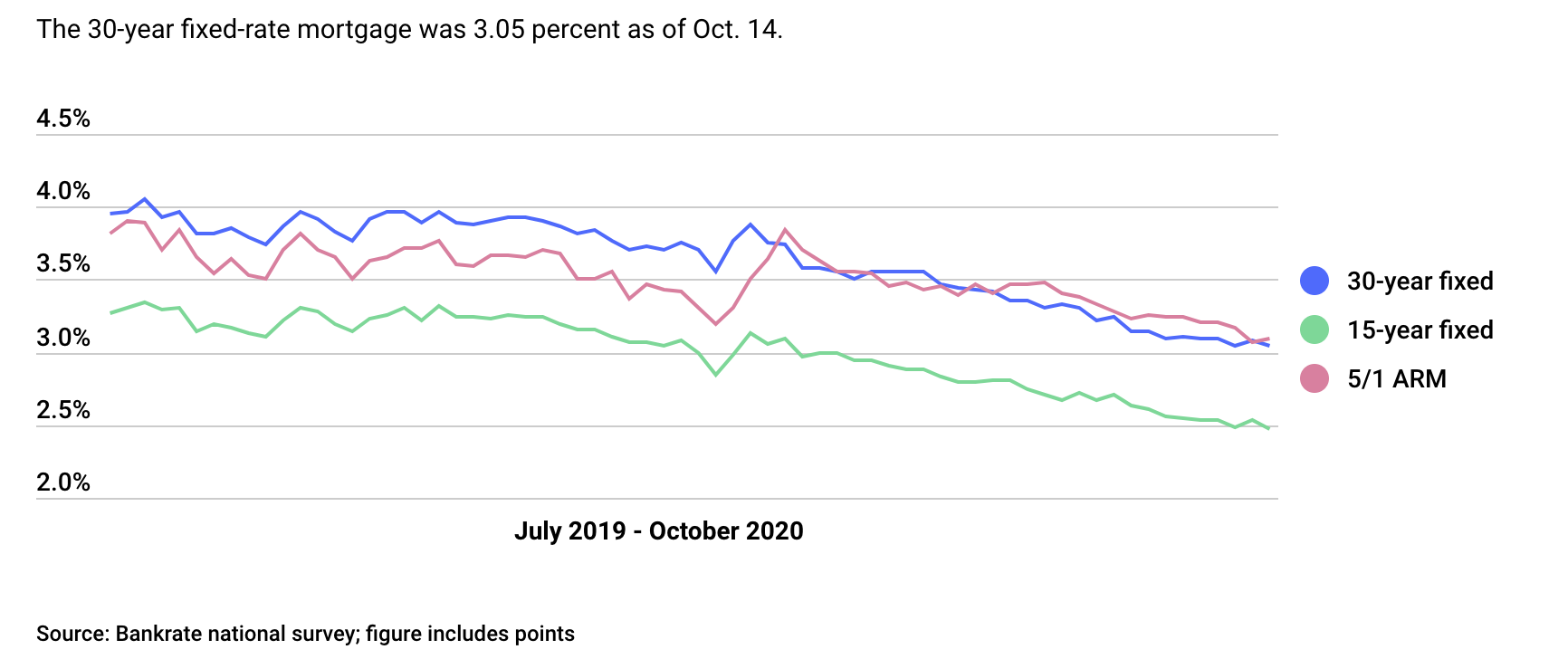
New Solution to Facebook Ad Policy Violations

After years of working at Facebook, I understand exactly what ad copy in your funnel is triggering the automations and how to get compliant. I'm a Facebook ad policy specialist and can audit your funnel, and share what to say that Facebook wants to see instead - but just isn't telling you.

Want to book a call to talk to Facebook and get results? Get solid answers directly from the source instead of guessing, googling and playing roulette? Schedule a call with me and I can easily tell you proven reasons why the automations flag you and how to become compliant.

You'll be swapping out walking in a minefield of ad flags, to have a sure path to having your Facebook ad accounts protected from being disabled. My clients have included social media marketing agencies of Tony Robbins, Harv Eker and Dean Graziosi. I'm featured on the Queen of Facebook Mari Smith's Marketing Essentials Course.

Save energy and money - how much is it costing you to not know why Facebook is shutting you down? My calendar is here.

Tony Robbins

I get 100s of emails a week from businesses and advertisers asking for help when their facebook ad account keeps getting disabled, so my calendar gets booked fast. But if you want to get to the front, you can pre-pay for a consulting session here: Book a call

facebook ad account keeps getting disabled

If you want to skip the line before this offer ends, immediately secure an expert-level Facebook consulting call from someone at Facebook. Book a call with me now! If you're ok with waiting a bit longer, and entering the waitlist to see if you're eligible - Schedule a call or contact me via email.

Mari Smith and Trevor W Goodchild

Prediction: Post C-19 Lockdowns The Experience Economy Will Boom


You just got finished checking your phone, perhaps your stocks, but you're tired of staring at screens and the feeling of cabin fever rages inside, because you've been inside too long.

Government mandated shutdown orders have created a new socially-distanced social life that is driving a hunger for more that will explode into the experience economy.


Many experiences that are tactile, memorable and real have become 10Xs more valuable than possessions as we battle adapting to this new way of life.

As stated in previous blogs, I predict life will return back to more of a normal setting by the end of 2021 - let's hope I'm right. Until then, everyone wants what they can't have: real life experiences outside the home.

Pre-covid retailers capitalized on the trend of marketing to the experience economy drive. Starbucks notably made a lot of money extending the familiarity of a local coffee shop to the global scale.

Take another example, Cabela's for instance. This outdoor retailer transformed their showrooms into quasi-outdoor adventures complete with waterfalls.

There are smart bathrooms in Westfield shopping centers and sensory gardens which are gardens that have a collection of plants which are appealing to one or more of the five senses; sight, smell, sound, taste, and touch.

My prediction: Emerging from the 2020 Covid lockdown, people will super charge the experience economy due to 365 days of being inside more than out socializing.


The experience economy will start booming - it already is as mentioned in the Airbnb blog post where rural Airbnbs made $200 million just this past June. 

Hot air balloon rides, outdoor events, fishing trips, nature, water, sky, bars, restaurants, sports are all going to be poised to make significant profits once everything re-opens to full capacity.

No amount of AI Amazon Go Stores, Echo auto ordered products, smart cars and drone delivered pizza can equal human interaction (although drone delivered pizza does seem pretty cool):


Once either society returns to normal socializing or we adapt better as a whole to reduced capacity socializing and the public space becomes used again, millions of people will be on the edge of their seats to get out of the house and start living life again.

If you haven't invested either in stocks of an existing experience-economy company or in starting your own experienced-based company -- now is the time.

Even right now, creating companies that offer in person real life experiences with Covid-19 adapted processes, you stand to make a pretty penny as consumers look for alternatives to staring at Zoom screens 24/7. 

Comment below on an experience-based purchase you made in the last 3 years that you really enjoyed!


For me it was a trip to Hawaii, what about you?


               .  .  .
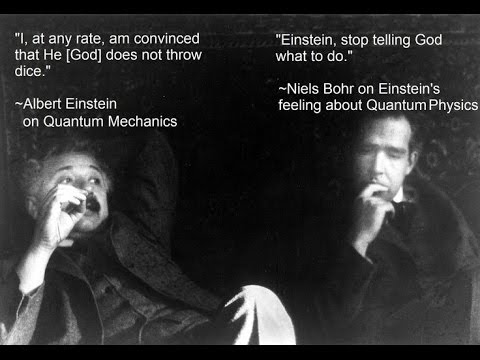
New Solution to Facebook Ad Policy Violations

After years of working at Facebook, I understand exactly what ad copy in your funnel is triggering the automations and how to get compliant. I'm a Facebook ad policy specialist and can audit your funnel, and share what to say that Facebook wants to see instead - but just isn't telling you.

Want to book a call to talk to Facebook and get results? Get solid answers directly from the source instead of guessing, googling and playing roulette? Schedule a call with me and I can easily tell you proven reasons why the automations flag you and how to become compliant.

You'll be swapping out walking in a minefield of ad flags, to have a sure path to having your Facebook ad accounts protected from being disabled. My clients have included social media marketing agencies of Tony Robbins, Harv Eker and Dean Graziosi. I'm featured on the Queen of Facebook Mari Smith's Marketing Essentials Course.

Save energy and money - how much is it costing you to not know why Facebook is shutting you down? My calendar is here.

Tony Robbins

I get 100s of emails a week from businesses and advertisers asking for help when their facebook ad account keeps getting disabled, so my calendar gets booked fast. But if you want to get to the front, you can pre-pay for a consulting session here: Book a call

facebook ad account keeps getting disabled

If you want to skip the line before this offer ends, immediately secure an expert-level Facebook consulting call from someone at Facebook. Book a call with me now! If you're ok with waiting a bit longer, and entering the waitlist to see if you're eligible - Schedule a call or contact me via email.

Mari Smith and Trevor W Goodchild

Enjoyed this blog? Signup here to get updates on new startup blogs.

Available for freelance writing and guest posting on your blog: [email protected]

business blog, business blog, business blog

How to Use Apple’s Stock App

Source: https://apps.apple.com/us/app/stocks/id1069512882


Apple has a great Stocks app which assists investors with prices updated in real time as well as a consistent stream of news articles from many media sources.

This is helpful because while you will have your standard lineup of stocks you can check prices at a glance with, you'll also be able to customize your stocks with new additions.

Say for instance you're on reddit financial threads or talking with a business partner about an exciting new stock, you can add this one to your roster here for it's history, prices and anything else you'd like to follow up with.

The Easy Process of Apple Stock Price Checking 

  • First step is just opening up your Apple Stocks App.

    You'll see the indices and funds with a standard stock lists that often begin with the Dow Jones and the S&P 500 for example.

    Right after these, you're probably going to see Apple Inc following those indices. 
How to use Stocks app on iPhone 1.PNG
The stock stats for the day are @ the Apple Stock app's home page.

  • To view more stock prices simply scroll down
  • Tap on a stock to get more info
How to use Stocks app on iPhone 2.PNG
  • You'll see the chart displaying a stocks price for the day once you tap on it

  • Timeline options: Simply click on a measurement of time like a month or 6 months and more times frames to gauge the trending prices for a span of time.

Apple Stocks Media Intel 

  • There's a handy section called "Business News" that you can tap on at the bottom to view the top stories in business that Apple News displays

How to add new stocks 

1. Click on the search bar at the top:

How to use Stocks app on iPhone 4
Just like Google search bars type search terms here for stocks

2. Type in the stock ticker symbol for a stock you want to see.

3. Tap on the stock you want to look at. Make sure to click on the right stock and correct exchange.

4. After the stock chart comes up, you can see all of the info just like with the stocks on your standard list.

5. Click on the add button located in the top right hand side to add this stock to your roster

How_to_use_Stocks_app_on_iPhone_6

Simple Steps for Removing Stocks 

1. Press the edit button in the top right corner of the app's home screen.

How_to_use_Stocks_app_on_iPhone_7

2. Just tap the minus sign next to the prices you want to remove then "Done"

How_to_use_Stocks_app_on_iPhone_8


Here's a list of promising tech stocks in 2020:

Top Tech Stocks for September 2020


If you're applying First Principle Thinking described in my last blog you're full of ideas for improving your business & investments. So which stocks are you excited on investing in?

Comment below!

New Solution to Facebook Ad Policy Violations

After years of working at Facebook, I understand exactly what ad copy in your funnel is triggering the automations and how to get compliant. I'm a Facebook ad policy specialist and can audit your funnel, and share what to say that Facebook wants to see instead - but just isn't telling you.

Want to book a call to talk to Facebook and get results? Get solid answers directly from the source instead of guessing, googling and playing roulette? Schedule a call with me and I can easily tell you proven reasons why the automations flag you and how to become compliant.

You'll be swapping out walking in a minefield of ad flags, to have a sure path to having your Facebook ad accounts protected from being disabled. My clients have included social media marketing agencies of Tony Robbins, Harv Eker and Dean Graziosi. I'm featured on the Queen of Facebook Mari Smith's Marketing Essentials Course.

Save energy and money - how much is it costing you to not know why Facebook is shutting you down? My calendar is here.

Tony Robbins

I get 100s of emails a week from businesses and advertisers asking for help when their facebook ad account keeps getting disabled, so my calendar gets booked fast. But if you want to get to the front, you can pre-pay for a consulting session here: Book a call

facebook ad account keeps getting disabled

If you want to skip the line before this offer ends, immediately secure an expert-level Facebook consulting call from someone at Facebook. Book a call with me now! If you're ok with waiting a bit longer, and entering the waitlist to see if you're eligible - Schedule a call or contact me via email.

Mari Smith and Trevor W Goodchild


               .  .  .
Enjoyed this blog? Signup here to get updates on new startup blogs.

Available for freelance writing and guest posting on your blog: [email protected]

Trevor W. Goodchild

How Elon Musk Uses The Power of 1st Principle Thinking

Credit: Tech Insider/Recode/NASA


While Amazon & eBay are killing it in the ecom sphere, Elon Musk is crushing it in a real life Tony Stark way.

Musk co-founded PayPal, created and owns Tesla, SpaceX, Neuralink and The Boring Company that's working on hyperloop trains to go from New York to Washington in 29 minutes. 

So how does a private citizen compete with NASA and launch his own rocket into space?

It starts with rejecting everything you've ever learned. Doubting the conclusions about everything concerning a problem you're trying to solve until all you're left with is the distilled truth.

Most companies in the beginning have experimental phases, where intrinsic motivation and curiosity drives most of their innovation.

But what happens over time? Processes form and management becomes to afraid to mess with an existing system, and so that system stagnates. 

Breaking even becomes the benchmark instead of pioneering or breaking ground in a new field.

Elon Musk turned the space industry on its head by applying first principle thinking, instead of getting stuck thinking about things in the same way.


Are you familiar with invisible rules? 

While that sounds a bit abstract invisible rules affect us every day. 

These are the habits and behaviors that are so ingrained they exist as almost an invisible constitution or charter we unconsciously follow in business and in personal endeavors.

When something challenges habitual ways of thinking about an established mode of acting many get defensive and stand up for...their own limitations. 

First principle thinking is one of the best ways to undo these invisible rules that limit our ability to innovate.

First principle thinking reverse-engineers complex problems and frees our minds to creative possibility. Sometimes called “reasoning from first principles,” the concept is to break down complex problems into simple elements and then reassemble them from the ground up.

It’s one of the best ways to learn how to think for yourself and unlock your own creative potential, and move from linear to non-linear results exponentially as Elon Musk has done.


In early 2002, Musk founded the company that would be known as Space Exploration Technologies, or SpaceX, with over a $100 million of the money received from the PayPal sale. Musk's goal was to make spaceflight cheaper by a factor of 10.

SpaceX's end goal is to bring economies to scale for colonizing Mars. Musk said that SpaceX won't file for an initial public offering until the "Mars Colonial Transporter" is flying regularly.

When PayPal was sold to eBay, Musk went to the beach in Rio de Janeiro but he wasn't just there for the scenery; he was reading Fundamentals of Rocket Propulsion.

Elon Musk spotted the trend that despite everything else getting smaller and cheaper like computers and smart phones, rockets get more expensive without improving.

Musk went to Russia to see if he could get rockets any cheaper than the American ones which were a stunning $130,000,000 dollars.

He met with many Russian officials, drank lots of vodka but even trying to grab a decommissioned intercontinental ballistic missile (missiles de-armed of weapons) the cheapest he could find was $20 million.

It was also pretty slim pickings if you're looking for a venture capitalist to fund your trip to Mars so the real life inspiration for Marvel's Iron Man 
had to regroup.

By the way, the Iron Man filmmaker Jon Favreau inspired Elon Musk to make tech that was only in a comic book to become a reality:


"I think it's important to reason from first principles rather than by analogy," Musk said in an interview with Kevin Rose.

"The normal way we conduct our lives is we reason by analogy," he said. "[With analogy] we are doing this because it's like something else that was done, or it is like what other people are doing. [With first principles] you boil things down to the most fundamental truths … and then reason up from there."

Elon used first principle thinking to overcome the road block that progress creates, meaning processes are created by definition to look backwards and not be questioned.

After failing to get affordable rockets from Russia, on the way back to America, Elon Musk told the aerospace consultant who accompanied him there that,"I think we can build a rocket ourselves."

Elon Musk decided to ignore everything he knew and that the public knows about the process of sending a rocket into space (via NASA).

Rather than tackle this from a 30,000 view, Musk went microscopic and broke apart the physics involved in sending a rocket into space.

Tesla's founder examined what rockets are made out of:

Titanium, copper, carbon fibers and aerospace-grade aluminum alloys.

Then, still using first principle thinking he researched what the cost of these materials is on a commodity market and discovered that the materials of a rocket costs around 2% of the selling price.

This was due in large part to the outsourcing within the space industry for all the work in building the individual parts for cutting the metal and shaping the atoms.

Musk decided to set up shop with vertical integration owning the entire process of manufacturing and launching rockets.

SpaceX manufactures around 80% of their own rocket components and does some pretty innovative sourcing for their raw materials.

One SpaceX employee bought theodolite, which is used to track and align rockets, for $25,000 on eBay after finding out the new version cost too much.

This type of first principle thinking was used across the board for SpaceX.

Instead of using expensive materials for handles of hatches, they used spare parts from bathroom stall latches.

SpaceX avoided paying through the nose for astronaut custom-built harnesses and used race-car safety belts.

They swapped out specialty onboard computers that range in price up to $1 million dollars with the same type of computer that you're using in an ATM for only $5,000.

The way of thinking by analogy, following old established-process-based routines would have you think, well if NASA can't use the same rocket twice, I doubt anyone else can.

Musk turned this whole fallacy on its head.

This approach of first principle thinking truly reached the pinnacle of rocket science innovation when Elon Musk's SpaceX designed rockets to be re-usable.

And did so successfully not just theoretically.


Falcon 9 is a reusable, two-stage rocket designed and manufactured by SpaceX for the reliable and safe transport of people and payloads into Earth orbit and beyond. Falcon 9 is the world's first orbital class reusable rocket.

[Source:SpaceX.com]


Today's blog isn't about hero-worshipping Elon Musk - it's a tale told about how to learn from what's already working but in a way that even defies this sentence.

When you talk about reverse engineering a sales funnel or an existing business model, and making improvements on it, or the poster boy formula in blogging or YouTube it's a way of learning from what's already working without really learning.

Shifting to first principle thinking means taking apart a process, forgetting what you already know about it and seeing if there is a non-linear way to make the leap to new ideas.

Even our keyboards are flawed, if you look at the top row of keys you'll see it's designed to spell out "typewriter" to sell more typewriters not for an ergonomic method of typing the alphabet into words efficiently.

But it's a process, it's just "the way things are" so we accept it.

¯\_(ツ)_/¯

Elon Musk didn't. And his results speak for themselves.

Musk cherry-picked the best, brightest avionics engineers -many formerly at NASA- and gave them the freedom to build rockets instead of push paper, get stuck in procedure and never see their dreams materialize.

Musk hosts a regular Friday lunch where anyone can ask questions about where SpaceX is going.

So the next time you're faced with a wall you can't seem to break down to either solve a problem, innovate a product, design a new marketing strategy or invent a solution - try first principle thinking.

You may just find a winner.

What something you're trying to solve for right now?


Comment below!

               .  .  .
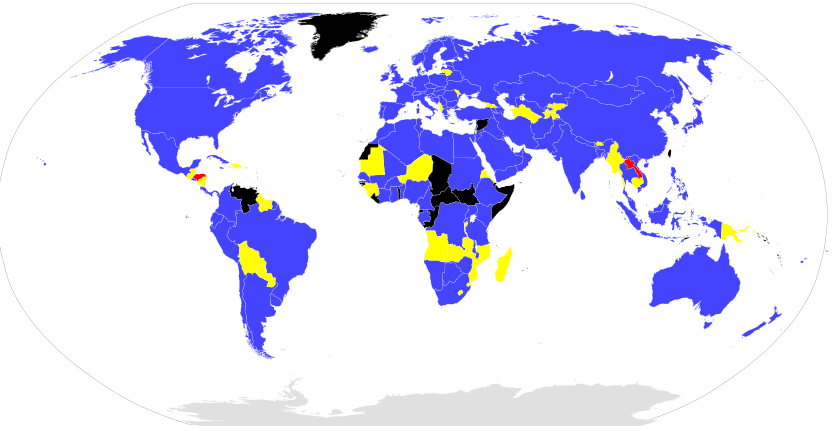
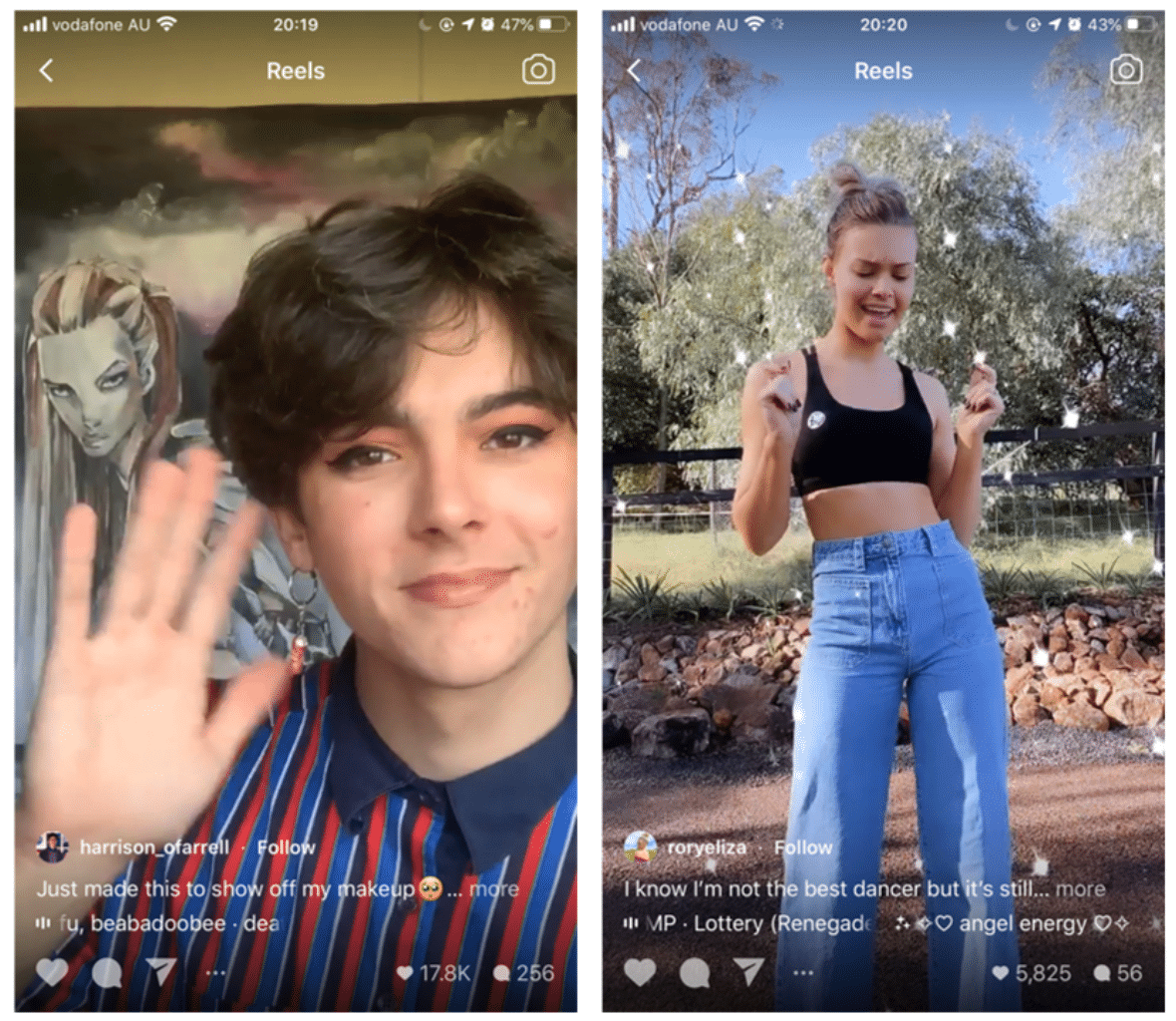
Enjoyed this blog? Signup here to get updates on new startup blogs.

Is Facebook not explaining why they disapproved an ad?
I worked at FB for years and offer FB Policy Consulting here

Available for freelance writing and guest posting on your blog: [email protected]

Trevor W. Goodchild

What Made Amazon & eBay So Successful


Amazon & eBay are successful companies but how did they get to be successful? 

In the real world outside of pure economic theory, every business is successful to the extent that it does something other businesses cannot.

This is true across the board, just as companies that fail all share one common trait: they failed to escape the competition. 

Many companies that managed to stay above water eventually fail because they lacked the foresight to evaluate their value based on the money they will make in the future. 

A successful business is defined in part by its ability to generate cash flow in the future, and eBay as well as Amazon set up business models that only became more relevant to consumers as time passed.

The advances of technology for personal computers, desktops then laptops, smartphones then app stores with one-click buy options and QR codes offered an infrastructure for these two e-commerce sites that didn't exist when they started. 

Many startups focus only on the immediate future, but for a business to be valuable it has to grow and endure. Growth is easy to measure but durability is more obscure so it gets ignored. 

The best startups should integrate the potential for a much greater scale built into the first design and combine that with a well defined brand.

Why Amazon and eBay succeeded where others failed is they both cultivated the perfect target market of a particular group of people concentrated together that were served by few competitors.

For Amazon it was books, then later CDs and then later the world's largest online general store.

For eBay they dominated the market for beanie babies in 1995, then stamps and much more. eBay's success is attributed to its unique business plan: allowing people or businesses to list new or used items for auction for a very low fee.

After you dominate a niche market, the next step is to gradually expand into related and slightly broader markets - both Amazon & eBay did this and generated large revenue in the process by becoming household names. 

At the time, no one else was doing this. eBay was successful almost from day 1. eBay's founder tells a story about how one of the first items he listed, after creating the website, was a "broken" laser pointer.

He was specifically saying it was broken. Yet, the auction attracted a lot bids and the broken laser pointer sold for something like $15.

Those results were typical for many buyers and sellers.


Instead of starting with an idea for a product and trying to convince executives that customers will "love the idea," Amazon works from the viewpoint of the customer to come up with ideas that will generate value.

An example of this is Amazon Prime.

Prime was created because it was understood within Amazon that customers wanted to buy quality products for less money, and customers wanted to receive products as fast as possible.

And it worked. Incredibly well.

Amazon is exploring AR technology as well (you can read about advances in Augmented Reality in this blog here).

Amazon’s success depends on the fact that it is two very different but seamlessly integrated shopping places at once:

A store, like Walmart, (with Vendors offering products to Amazon) and a marketplace, like eBay, (with sellers selling direct to consumer).

Both eBay and Amazon often offer free shipping and returns which is a huge deal breaker for many consumers. Personally, I rarely buy products I have to pay an additional price for shipping on.


The most successful companies like Amazon & eBay make the core progression:

1. Dominate a specific niche

2. Have scalability built into the business's design

3. Scale to adjacent markets as part of their founding narrative

And there you have it, the secret to Amazon and eBay's success. When I first started up in the entrepreneur space I tried to focus on everything instead of one specific field.

The same goes for when I quit working at Facebook, I tried to offer my services as just a Facebook expert. My business suffered as a result of being too general.

When I sub niched down to being a Facebook policy expert business started booming, so that's a real life example that relates to these 3 killer steps to becoming a successful startup.

What's your favorite thing you like about using eBay or Amazon?

Comment below!

               .  .  .



Enjoyed this blog? Signup here to get updates on new startup blogs.

Is Facebook not explaining why they disapproved an ad?
I worked at FB for years and offer FB Policy Consulting here

Available for freelance writing and guest posting on your blog: [email protected]

Trevor W. Goodchild

Huge Potential of Extended Reality XR


Augmented Reality (AR) is the next big thing in new tech and there's a reason for it: new developments are happening at rapid fire pace that is creating an amazing experience.

AR adds layers of virtual objects to the real environment. In contrast to Virtual Reality (VR), AR is an interactive experience of a real world environment where the objects in the real world are enhanced by computer generated perceptual information.

AR combines the real and virtual world, a real time interaction and accurate 3D registration of real and virtual objects across multiple senses.

The overlaid sensory info can be destructive where the natural environment can be masked to show virtual items, constructive or additive to the natural environment.

VR on the other hand replaces reality completely with a virtual reality.
The 1st AR technology was developed in 1968 in Harvard when computer scientist Ivan Sutherland created an AR head mounted system but it didn’t really take off until 2016 when Pokemon Go launched.

In addition to video games that allow you to fight epic battles in your living room, with systems like Lenovo Mirage (smartphone powered AR) there are applications for space exploration as well.
Here's Seismic Games debut teaser trailer for Blade Runner: Revelations, on the Lenovo Mirage Solo Google Daydream headset:


Nasa has stated they plan on using AR to keep track of astronaut’s health while they are in space.
Using a customized, 3D virtual reality (VR) simulation that animated the speed and direction of 4 million stars in the local Milky Way neighborhood, astronomer Marc Kuchner & researcher Susan Higashio obtained a new perspective on the stars’ motions, improving our understanding of star groupings.

Nasa scientists, using VR animated star clusters, found stars that may have been classified into the wrong groups as well as star groups that could belong to larger groupings.

Google is using AR to translate street signs and books in real time from one language to the user’s native language:


Medical training, education, manufacturing, military, are all industries that are planning on using AR for virtual floating touch screen objects that hang in mid air.

Some really cool camera-based AR apps out right now include on the simplest level, iPhone’s free measure app that lets you measure the size of someone’s height in real time or tables length and width.

Ikea created an app called Ikea Place that lets you virtually place true to scale 3D models of Ikea furniture in your living room.

You’ll select an item from their digital catalogue, then using your smartphone camera you take a picture of your place. Then you can put the furniture anywhere in your house to see how it would look in real life.


The fashion industry isn’t getting left out of the loop for AR either. Many clothing brands let you try on clothes virtually so you can see what you’d look like in new threads without physically having to be there.


One of the the neatest AR apps out there that’s free is called Jig Space. This app lets you explore 3D objects in space, history, inside the planet Earth, how-to, machines and more.


One of the biggest issues with AR is that data has to be real time rendered right as an end user makes a decision without images and info lagging. 5G phones may help with this.
Real time content and AR content sometimes aren’t able to respond to each other fast enough to create a smooth experience.
MR or mixed reality hopes to fix this issue by using occlusion to remove the boundaries between real and virtual interactions.

MR merges real and virtual worlds together to create new environments and visualizations. Where physical and digital items coexist and interact with each other in real time.
MR doesn’t take place in exclusively the physical or virtual world, but is a hybrid reality where both come together.

While MR is similar to Augmented Reality one of the main distinctions between the two is that Mixed Reality allows a virtual overlay of graphics to interact with the real world. If you're dealing with Zoom fatigue you'll have a lot more options now,

Last year in February (2019) Microsoft came out with a new product called Hololens 2. These are Mixed Reality Smart Glasses. Their product demo was pretty impressive, using an application created with the unreal engine.


A few months later, the Hololens 2 Emulator was released to developers to allow them to create applications for the Hololens 2.

The Hololens 2 features include:

A diagonal field of view of 52 degrees, a resolution of 47 pixels per degree, accelerated work loads such as eye tracking, spacial audio, fully articulated hand tracking, semantic labeling and more.

The price tag is a bit heft at $3500 dollars.

AR, VR and MR is at the forefront of new business ventures predicted to create windfalls for both investors and creators, especially given current occupation limits, social distancing and stay at home orders which are intense in countries like Australia.

With everyone at home so often these days, Augmented Reality shows promise of sky rocketing in demand and sales as does VR and MR.

AR, Virtual Reality (VR), and MR are under the umbrella of XR or Extended Reality.

We’ve gone from hunters and gatherers to 3D printing hamburger patties grown from stem cells without harming animals or cutting down rain forests for cattle grazing lands.

While much of this new tech that can solve resource deficits has yet to be deployed at a level prevalent enough to have a global impact - we have the tools now to solve major issues like world hunger and starvation at a lower cost.

I hope this is something that becomes sponsored as a world-wide initiative to help end the nutrition issues in developing countries, food deserts in the United States of America and problematic issues for starving military families that are denied benefits.

But that’s more on the 3D printing and stem cell grown food topic, going back to AR, VR and MR, you’d think there would be once device that harnesses all three in XR.

And there is.

May 2020 Qualcomm who makes the chip for the Oculus Quest VR headset announced they are colloborating with 15 world operators to create XR viewers.

These operators are planning on making XR part of their 5G offerings for both businesses and consumers, debuting next year in 2021.

These XR viewers will be a pair of light weight glasses with 8K 360 degree video capabilities.
They’ll connect to a smartphone powered by Qualcomm’s Snapdragon 855 or 865 mobile platform. These will be tethered via UBC cable to the 5G smartphones for an immersive XR experience with high bandwidth and low latency.

This will allow everyday experiences like doing planks for your morning workouts can become Augmented Reality experiences right before your eyes.

In the business world, these XR glasses can facilitate workplace meetings with holographic telepresence using virtual collaboration platforms.


It’s predicted that XR Viewers will become wireless and 5G tethered glasses will become available.

NVIDIA is another tech company vying for a place in XR tech wave maker history. Nvidia is known for designing GPUs. Their Cloud XR is their foundation platform for streaming Virtual Reality, Augmented Reality & Mixed Reality content from any open VR or XR application on a remote server.

Another contender is Nreal light glasses, which look pretty badass and are priced at around $586).

Nreal previously shipped a $1,199 developer kit that included a controller and a dedicated mini-computer.
The Nreal Light is a light sunglasses-style headset that tethers to a separate computing device — in this case, the Galaxy Note 20. It uses spatial tracking & projected images to overlay apps onto the real world, and Nreal sells it as a more spacious alternative to a smartphone for watching videos, playing games, or reading websites.


Sensors track the eyes' movements as well as 3D-mapping the view in front of them, so that digital characters and objects can be seen to interact with the environment.

Microphones and speakers are also built into the frames. And users control objects in view via what looks like a curved laser pointer.

It’s promising to support Chrome, Facebook, and Instagram, among other apps, at launch.
That’s a huge advancement as a way to enhance viewing YouTube videos right?

Personally, I'm not a big VR person, after watching the Matrix so many times I'd rather not get sucked into an addiction to a non-real environment - although clearly there are benefits like Nasa's applications to astronomy and more.

But AR? Please, I want my Nreal glasses today! It makes what was once fantasy for tactile overlays you see in movies about the future, actually a reality.

I can see so much potential for designing tech, new clothes, innovative solutions to issues facing the world, I can't wait until economies of scale make AR tech part of everyday life.

What about you? What's your favorite thing discussed in today's blog on AR, VR and XR?

Comment below!


               .  .  .

Enjoyed this blog? Signup here to get updates on new startup blogs.

Is Facebook not explaining why they disapproved an ad?
I worked at FB for years and offer FB Policy Consulting here

Available for freelance writing and guest posting on your blog: [email protected]

business blog, business blog, business blog

5 Top Tips to Avoid Zoom Fatigue

Credit: Google Trends


While working at Facebook I interfaced with teams around the world on video, which was cool when mixed with real life meetings with fellow Facebook colleagues but now everything is on Zoom.

If you feel like you're getting a lot more tired at the EOD than pre-covid19 you’re not alone. Zoom fatigue is a real issue that many of us suffer from since March of this year.

Back in the 80s Sci Fi films showed video chatting as futuristic tech - their future is our right now but why are Zoom video chats tiring?

Well, in a real life meeting there is a lot more social stimulation, just being around other people can be invigorating. But in the silo of staring intently at a screen to retain the info can be exhausting.

Video Calls Make Us Lose Focus

Being able to do a quick whispered comment in a meeting to a colleague and then refocus doesn't have a Zoom equivalent. It's way too easy to lose our focus and go down the rabbit hole.

It starts innocently enough with one email, one Facebook messenger response, one text, or perhaps a Slack convo that we attempt to do all within a minute or two

10 minutes later we refocus, look up and have no idea what was being said and look like an ass to other conference attendees.

Not to worry! For all you social media marketers on Facebook, IG, Twitter, and business owners or remote workers I've got a few tips to help:

Here Are 5 Tips to Relieve Zoom Fatigue

1. Talk On The Phone - Yes This Is Still A Thing

Ask any preteen right now & they'll say phones are so 1999, but phone calls are still a thing for a lot of people, especially those who run their own businesses.

Phone calls are especially helpful to reduce Zoom fatigue. When on the phone with Mari Smith, the Queen of Facebook, we chatted about my upcoming feature in her Facebook Marketing Essentials course (FBME2).

Mari and I opted for a phone call instead of Zoom, because we have both been on so many Zoom calls recently due to covid 19. A phone call was a nice break from Zoom fatigue.

Here's a plug for her marketing course I'm featured in talking on Facebook policies: Mari Smith's Facebook Marketing Essentials 2


Back to relieving Zoom fatigue - if you're a pacer like me, talking when you walk helps get the creative juices flowing as well for new business ideas and conversation starters.

You can also see if there are any calls that you can switch to email or Slack if they aren't too too in-depth, this will help you recharge and refresh. Phone calls also let you do a little multitasking without appearing rude to your Zoom guests.

Saying something as simple as, "I'd appreciate a chance to recharge from staring at screens so much, mind if we switch to a phone call?"

Chances are, the other person is also facing Zoom fatigue and would enjoy a break too.

If you're a business consultant and give career advice, this can be achieved just as well over a phone call as on Zoom. You can even build in looking at a website a client has on your computer for a couple of minutes, giving feedback, and then stepping away from the screen.


2. Integrate Breaks Into Your Daily Schedule

Uninterrupted screen staring will tire us out so we need visual breaks to "refresh our mental screens" in a manner of speaking. Visual breaks help us refocus, if our brains are growing fatigued.

When you plan the day, build in a few breaks. If you have a longer Zoom call scheduled, make sure to take a few mini breaks and look away from your computer screen. Follow the 20 second rule, for every 20 minutes staring at the screen look at something 20 feet away, for 20 seconds.

Your friends, family, and business associates are going to be a lot more understanding than we may assume, if you both want to talk without having to look at the screen, to give your eyes a break for a moment (and perhaps add some carrots into your diet).

Sometimes things just get busy and you have nonstop Zoom calls, make sure that your scheduling app, daily planner Google Calendar or smart phone notepad (wherever you schedule the day at) also includes a buffer of 20-30 minutes between meetings.

This will give you a little bit of time to go for a 10 minute walk outside (walking increases productivity and creativity up to 60%), make a cup of coffee, meditate for 5 minutes, make a healthy snack and look away from the screen.

3. Notice Zoom Callers Backgrounds

Now this may sound silly at first, but you can actually reduce strain by simply taking a moment to look at the background of your Zoom counterparts.

Sometimes we stare at our own faces too much on Zoom calls, or other people's faces, but when you take a moment to notice the plants in your associates background, book titles on their bookshelf, it can give your eyes a break from staring at the same thing.

At the same time, if you're on a Zoom meeting with a bunch of people and they all have clutter in their backgrounds, don't focus on that. Even ask people not speaking to use avatars or suggest plain backgrounds either with a green screen and the Zoom virtual background feature or just for them to sit with a plain wall behind them.

4. Ensure There's Speaking Protocol for Social Zooms

Given that we are all on lockdown due to Covid-19 regulations often socializing nowadays is done on Zoom calls. But, if everyone is talking at once (especially when there's alcohol involved) this can lead to fatigue (and annoyance if your guests decide yell over others to be heard).

This can be solved by just simply verbalizing that taking turns is going to be followed. Now everyone gets a chance to talk and it isn't a room of people talking at once - this relieves screen fatigue.

When there aren't clear expectations outlined, the more alpha members of both genders jump in and compete for conversation space. By outlining expectations and format, this helps everyone out and reduces Zoom fatigue.

5. Reduce Multitasking

Multitasking IRL or on Zoom actually lessens our productivity. For those readers who are entrepreneurs and are familiar with 'serial entrepreneurship' you understand how spreading yourself too thin isn't as effective as laser-focusing on one project and nurturing it to perfection.

While it's tempting to think that you can use Zoom to do more in less time, research shows that trying to do a lot of things at once leads to a lesser performance.

This is due in part because you have to turn one part of your brain off and back on for the different types of tasks, which equals around a 40% dive in productivity.

According to the Stanford Memory Laboratory, those who multitask a lot can’t even remember stuff as well as those who choose to use tunnel vision productively, which makes sense given the experiences I've had and fellow startup founders in juggling 10 things at once leading to less quality than focusing on one thing or just a few things.

This also reminds me of another proof of concept moment in business history. Ebay started by dominating a small market of those who liked beanie babies, Amazon started with just books.

It was by focusing on a smaller area first, and getting expert level at this that lead to these companies' success and later expansion to other markets. You can read more about this in the blog on What Made Amazon & eBay So Successful (it's all in the power of dominating sub niches).

They key take away here is that when you're on a Zoom call, it'll be helpful to close the other tabs you have open and put away your smart phone. Be here now. Distractions can wait.
Practice these 5 tips and you'll find it refreshing to relieve the Zoom fatigue as we adapt to the new normal. By the end of 2021 I predict we'll have things more or less back to normal.
In the meantime I hope you've found these steps helpful. Do you have anything you've done to help with Zoom fatigue that isn't on this list or have a story about Zoom fatigue you want to share?

Comment below!


               .  .  .


Enjoyed this blog? Signup here to get updates on new startup blogs.
Is Facebook not explaining why the disapproved an ad?
I worked at FB for years and offer FB Policy Consulting here

Available for freelance writing and guest posting on your blog: [email protected]

Trevor W. Goodchild

Nerd Batman: Business Profile of Dean Kamen


Meet Dean Kamen the inventor of the Segway and the iBOT -- a motorized wheelchair that climbs stairs. Stephen Colbert took one for a spin. He lives on a island powered by wind & solar and holds over 1,000 patents.

The iBot was revealed in 1999. The IBOT™ is a battery-powered wheelchair built from sensors, microprocessors and gyroscopes that can climb stairs and stand upright on two wheels, empowering handicapped people to see and move at eye-level.

Kamen was already being paid for his ideas as a teenager; he built light and sound systems for local bands and museums. He was earning $60,000 -more than both of his parents- before even graduating high school.

Kamen went to college at the Worcester Polytechnic Institute, but dropped out in 1976 before graduating because of his invention of an insulin pump called AutoSyringe.

He sold this invention to the health care company, Baxter International making him a millionaire.

That's a pretty fast start, I mean, aside from children who just inherent millions of dollars, for a self-made millionaire it's pretty impressive.

I dropped out of college to work at Facebook for a few years before going back and finishing my degree in Geography but perhaps it would have paid off to invest in the list of inventions I've created but never followed up with.

World Health Organization stats show there's are 900 million people worldwide without a supply of clean drinking water and 3.5 million people die every year due to diseases in unsanitary water they drink. Despite the fact that over two-thirds of our planet's surface is covered with water, only 1% of it is potable.

Dean decided to tackle this problem with the invention of the Slingshot - a vapor distillation system powered by a Stirling engine. It's about the size of a mini fridge and can run off any combustable fuel even animal dung.

Credit: Coca-Cola's Site


The Slingshot uses less electricity than a hair dryer and can purify water from any source whether that's ocean salt water, sewage, urine, polluted groundwater and more. One device can produce clean drinking water for up to 100 people a day.

Slingshot was successfully tested for a month in a village in Honduras 2006. While the initial devices cost hundreds of thousands of dollars, Kamen is hoping that in the future there will be increased economies of scale to drive down the cost to $2,000 each.

Meantime, he struck up a deal with Coca-Cola: Kamen would build a better soda fountain for Coca-Cola and in return Coke is using their global distribution network to distribute the Slingshot to water-scarce countries.

Coke got together with 10 international organizations and started distributing the Slingshot in 2013 as part of their Ekocenter kiosks.

These kiosks are solar powered shipping containers that provide impoverished communities with safe drinking water, internet access and items like mosquito repellant as well as first-aid kits (and of course Coke for sale).

By 2017 there are 150 Ekocenters in 8 countries, most of them run sustainably by women entrepreneurs, providing 78.1 million liters of clean drinking water.

A Multimillionaire With A Conscience


In an interview with Tech Crunch, Kamen talked about the conversations he has with the youth:

"You asked what keeps me up at night. There will be a never ending set of potential catastrophes that confront humanity and the way we will avoid succumbing to those catastrophes is well-educated kids that have the appropriate perspective and judgment as to how to use that education and their technology for good."

Covid rocked the nation with countless jobs lost, economy plunges, and stores everywhere requiring face masks to buy groceries or shop at any retail establishment.

Dean and the airplane maker Boeing gave New Hampshire more than half a million face masks.

Boeing's 737-700 aircraft flew around 540,000 medical-grade face masks from China to Manchester-Boston Regional airport, as part of a deal Kamen coordinated, who brought 91,000 pounds of personal protective equipment to the state the previous weekend.

Kamen got the face masks from manufacturers in China through his company DEKA Research and Development, Corp.

Kamen's Secret Bat Cave


Like Batman, Dean Kamen has his own secret layer, a private island he owns off the coast of Connecticut (though officially in New York state) called North Dumpling Island.

Dean has a charred, yellowing copy of North Dumpling’s ancient constitution, a nearly verbatim match with the U.S. Constitution, and his own currency which is more of a joke, measured in units of Pi (3.14159).

Kamen's island is a success story for Zero-Net energy - it's completely sustainable using renewable energy.

Using a combination of wind and solar energy and heavy usage of LED lights, the island works independently of regional electrical grids. There is even a lighthouse, a replica of Stonehenge, and a “navy” consisting of one amphibious vehicle.

Photo: Kevin Cooley


No one knows who built this replication of Stonehenge, it was there when Kamen bought the island. The official vehicle of Dean Kamen’s island nation is, you guessed it, a Segway.

The rockstar inventor flies around in a souped-up Enstrom 480 helicopter between North Dumpling and his main residence, a majestic house in Manchester, N.H., near his Deka Research and Development Corp. in a row of refurbished mill buildings.

Credit: Spectrum


To coordinate the different sources, Kamen designed an intelligent system that knows, down to an individual solar panel or light source, how much energy is being produced and consumed on the island.

Kamen's LED lights are pretty sweet.They wash over the island in colors which cycle through the rainbow (and they can be set to a disco beat, but that’s another story). Just as amazing is the system’s engineering marvel that lets Kamen control every circuit on his island empire from anywhere in the world.

Photo: Kevin Cooley


The Stirling engine is the backup generator on the island, a 193-year-old design modified by Kamen to meet his needs.

Kamen believes in the future that almost everyone should have some means of locally generating electric power. It’s the only logical solution for an overtaxed, under maintained national grid that’s vulnerable to any disruption, be it an ice storm or a terrorist attack.

I think what I find interesting about Kamen - I mean there are a 1000 interesting things but to hone in on one - is that he is still down to earth, less of a holier-than-thou titan more of a nerd Batman, often dressed in denim.

"It's not about technology it's about people and stories," Kamen said in an appeal to the heart. 

He recounts how DARPA approached him asking how is it that when a soldier gets hurt in battle, they get top of the line surgery civilians wouldn't get but if they lose an arm or leg they get the same wooden stick with a hook on the end that was given to them in the Civil War a century ago?

DARPA asked Kamen to build something that could interface between machines and humans, Kamen disbelievingly said (paraphrasing), "I think they were watching too much Terminator films."

Yet 15 months later, Dean Kamen had a working model where a soldier who lost his arm in the services, was able to use a robotic arm to pick up a grape (it's quit amazing) in this Ted Talk:


What do you think Kamen should invent next?

               .  .  .
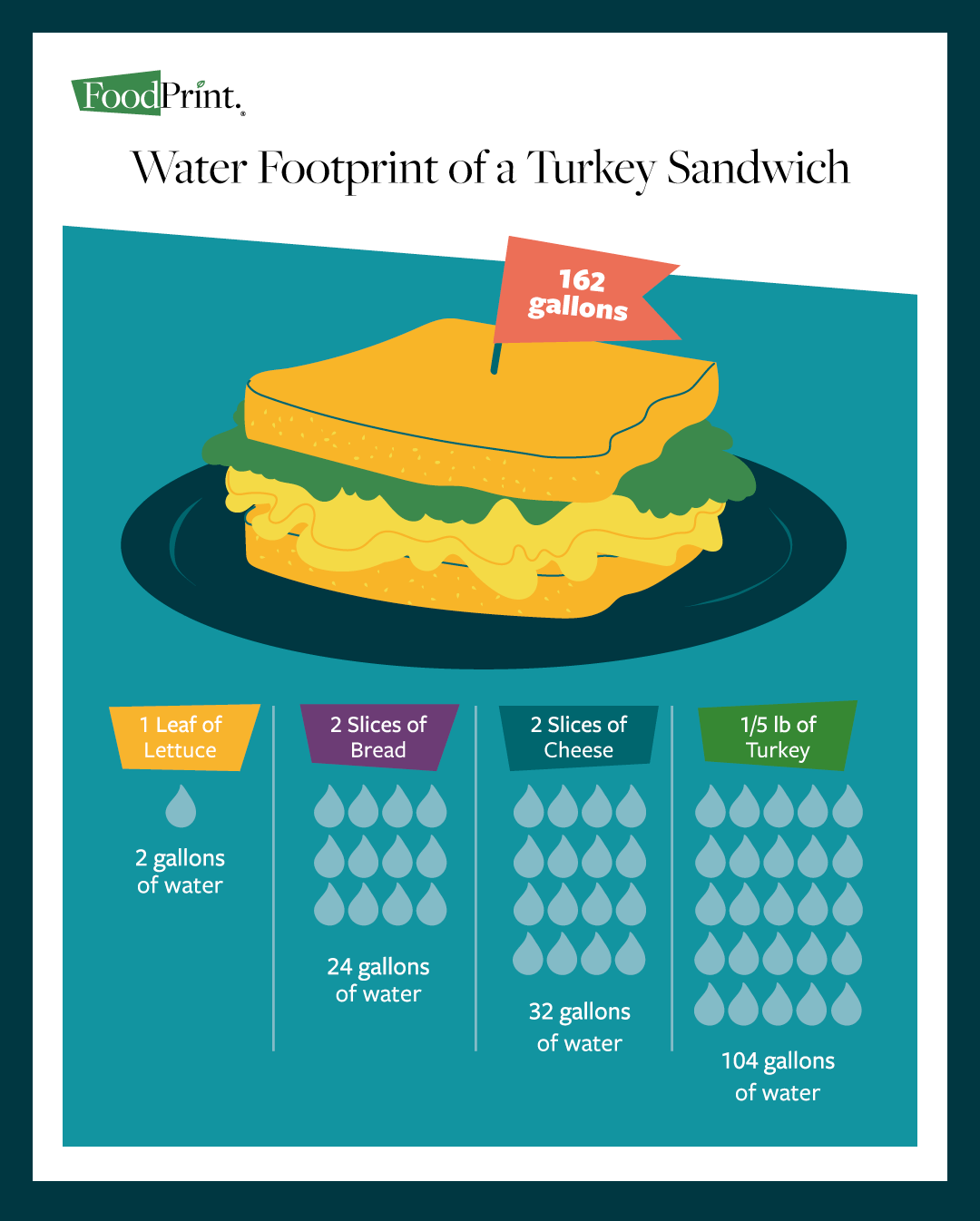
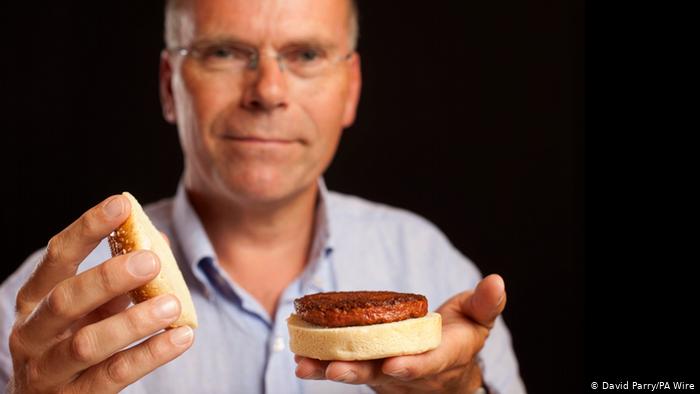
New Solution to Facebook Ad Policy Violations

After years of working at Facebook, I understand exactly what ad copy in your funnel is triggering the automations and how to get compliant. I'm a Facebook ad policy specialist and can audit your funnel, and share what to say that Facebook wants to see instead - but just isn't telling you.

Want to book a call to talk to Facebook and get results? Get solid answers directly from the source instead of guessing, googling and playing roulette? Schedule a call with me and I can easily tell you proven reasons why the automations flag you and how to become compliant.

You'll be swapping out walking in a minefield of ad flags, to have a sure path to having your Facebook ad accounts protected from being disabled. My clients have included social media marketing agencies of Tony Robbins, Harv Eker and Dean Graziosi. I'm featured on the Queen of Facebook Mari Smith's Marketing Essentials Course.

Save energy and money - how much is it costing you to not know why Facebook is shutting you down? My calendar is here.

Tony Robbins

I get 100s of emails a week from businesses and advertisers asking for help when their facebook ad account keeps getting disabled, so my calendar gets booked fast. But if you want to get to the front, you can pre-pay for a consulting session here: Book a call

facebook ad account keeps getting disabled

If you want to skip the line before this offer ends, immediately secure an expert-level Facebook consulting call from someone at Facebook. Book a call with me now! If you're ok with waiting a bit longer, and entering the waitlist to see if you're eligible - Schedule a call or contact me via email.

Mari Smith and Trevor W Goodchild

Enjoyed this blog?
Signup here to get updates on new startup blogs.
Is Facebook not explaining why the disapproved an ad?
I worked at FB for years and offer FB Policy Consulting here

Available for freelance writing and guest posting on your blog: [email protected]

Trevor W. Goodchild

Mapping the Future With Drone-Powered Reforestation

While the incredible developments in Cellular Architecture are paving the way for the future of biotech, another company is tackling deforestation on a whole new level.

Dendra, formerly known as Biocarbon Engineering, has developed a system of drones that replant trees. They received 2.5 million in funding with some promising projects on the way.

But first, let's examine why cutting down millions of trees everyday is worth investigating solutions to. What are the real effects of clear cutting forests?

Deforestation has side effects that many are not aware of, and it is a rampant issue today that is degrading the biome we rely on to survive.

It's not good for business when your business is located on a river delta that's getting deforested and your mangrove trees aren't there to break the wind and rain if a hurricane or cyclone hits.

Did you know the Amazon actually puts water into the atmosphere? The rainforests pump something like 20 billion tons of water into the atmosphere daily. This means less forests = more drought.

More drought means more massive migrations from coastal cities into inner urban areas, which means higher rents, less capacity and options for when you want to pick out your new house and a huge strain on basic resources for every city that coastal city refugees flee to.

This may mean increased profits for the real estate sector but everyone else will have to also deal with artificially inflated mortgage rates and scarcity.

Deforestation releases more CO2 than cars which average 14% of all carbon emissions, while deforestation contributes to 15% of carbon emissions. This is because when trees are cut down they release the CO2 they were storing back into the air.

Drought, increased green house gasses, erosion, less protection against cyclones and flooding (trees stop floods from over taking a field) - clearly the cons outweigh the pros.

But there is some nice innovation in drone technology that will help remedy the loss of trees.Let's dive into what Dendra is doing with drones and deforestation.

The Dendra system uses satellite and drone-collected data to find out the best location to plant a tree. The planting drones then fire a biodegradable seedpod into the ground with pressurized air at each predetermined spots.

The speed these are fired is around 120 seedpods per minute. The seedpods are filled with a germinated seed, nutrients, and other vital components.

These penetrate the ground, and, activated by moisture, will grow into healthy trees.

What kind of numbers are we talking about for the amount of trees that can be planted?

Two drone pilots, piloting 10 drones can plant 400,000 trees per day. If this was expanded to 400 teams then planting 10 billion trees each year would be feasible.

There is more than one company out there making waves in this field, Droneseed is another one also using Drone tech to 10X tree planting abilities.


Flash Forest as Newsweek reports, is also using drones to replant forests and combat the increased carbon in our atmosphere due to deforestation. Their drones shoot vessels into the dirt.

Each vessel contains three germinated seeds as well as other species which support the area, a fungus called mycorrhizae which helps plants to develop, fertilizers, and other "secret" ingredients.

Are you an Angel Investor? Perhaps you may want to invest in one of these companies on the cutting edge of reforestation. Here's Flash Forest's kickstarter page.

What other promising companies helping with deforestation have you heard of?

             .  .  .

Enjoyed this blog?
Signup here to get updates on new startup blogs.
Is Facebook not explaining why the disapproved an ad?
I worked at FB for years and offer FB Policy Consulting here

Available for freelance writing and guest posting on your blog: [email protected]

business blog, business blog, business blog


Cellular Architecture Might Just Save the Planet


As medical tech is rapidly advancing (re: Microbots blog), the world desperately needs businesses to step up and solve the energy crisis, global warming, deforestation and water problems.

Fortunately, in our rapidly advancing world of interconnected geniuses there are solutions coming to some of these planet-wide issues that affect everyone.

Something as simple as a turkey sandwich has a high water cost, but not for all ingredients.

A loaf of bread takes about 240 gallons of water to produce, while one pound of cheese takes about 382 gallons. A simple cheese sandwich adds up to about 56 gallons of water. Add some sliced turkey, and the water footprint jumps to 148 gallons.

Source: https://foodprint.org/issues/the-water-footprint-of-food/


Meat production worldwide, accounts for between 14.5 percent and 18 percent of human-induced greenhouse gas emissions as well.

Additionally, cattle farming is destroying the largest producer of oxygen for the planet, the Amazon rainforest. According to the business section of the Washington Post:

From 2010 to 2017, beef exports climbed 25 percent, to 1.5 million tons, according to the Brazilian Beef Exporters Association. To accommodate that growth, cattle ranchers have been pushing their herds into the Amazon, clear-cutting and burning the forest as they go.

You don't have to be a tie dye Woodstock-Whole Foods hippie to crunch the data and see the viability of a business model that relies on depleting oxygen supplies for hamburgers - isn't viable.

Poorly planned resource management strategies mean there will be less hamburgers not more if there isn't a smarter approach to meat production - because when all the land is farmed & water is used up, what then?

The Toll on Biodiversity 


The principal drivers of biodiversity loss include habitat loss and degradation, overexploitation, pollution and climate change.

Livestock farming isn't by itself 100% detrimental to the environment and biodiversity. In fact, past pastoralism practices helped create high value cultural and natural areas we have today because of the grassland ecosystems that grazing creates.

However, the problem is that many ecosystems created by traditional farming practices have all but disappeared due to increasing agricultural intensification, especially in developed countries.
It comes down to supply and demand. When the demand is greater than the supply, suppliers can be motivated to cut corners or try methods of production that have long lasting damage in peripheral areas.
Hong Kong is the biggest global importer of Brazilian beef products, bringing in about $1.5 billion worth in 2017, according to the Brazilian Beef Exporters Association. China is second, at nearly $1 billion, followed by Iran, Egypt and Russia. The United States, which imported $295 million in beef, came in sixth.

The increased demand for meat has resulted in attempts to increase the level of production, where to increase farming outputs, farmers and big corps owning farms have moved livestock out of pastures and into barns so that agricultural areas can be harvested more intensively.

Agricultural intensification has been widely regarded as a driving force of biodiversity loss and whereas traditional farms provided important habitats for biodiversity, many of these important habitats are either declining or have been lost already.

So what's the solution? The whole world has to go vegetarian? Or vegan? While that would solve a ton of problems for reduced water supplies and loss of biodiversity it isn't realistic to expect the entire planet to get on board with changing their diet.

Luckily, there is another way to solve these problems and it begins with a $300,000 dollar burger.

Source: Dw.com

Stem Cell Grown Meat Offers Hope

Cultured stem cell grown meat on the other hand uses 99% less land, and 82 to 96 % less water, as well as producing 78-96% less greenhouse gasses. 

The first lab grown hamburger patty cost $300,000 dollars to make. It was made in a Dutch lab at Maastricht University. The material was made from stem cells extracted from a cow's neck. By contrast, now Aleph Farms' small piece of steak costs $50 to produce.

Cellular agriculture is a brand new industry and there are a lot of opportunities for start ups to gain a foot hold here and make it big, just like there is in autonomous surgeon robots of microscopic size in the biotech field.

The Promising New Field Of Cellular Agriculture

San Francisco, California–based Memphis Meats has beef, duck, and chicken under development—with investment from (conventional) meat giant Tyson Foods. JUST, also based in San Francisco, has a chicken product based on cells originally isolated from the feather of a chicken (named Ian).

In 2018, the U.S. Cattlemen’s Association in Washington, D.C., petitioned USDA to restrict the use of the words “beef” & “meat” on product labels to only products taken from animals who “have been born, raised, and harvested in the traditional manner.”

So there is bound to be contention from rivaling industries of traditional farming. The dairy and meat industry are heavily subsidized by the FDA with powerful lobbyists backed by millions of dollars.

Just how will this come to a head when stem cell grown meat becomes a major threat to the meat market? Will big farms stock go down?

Will they try a smear campaign or bribe politicians like the auto industrial complex did for the electric car (before Elon Musk wiped the floor with the more aesthetic-driven Tesla)?

It will be interesting to see how this plays out, especially amidst the new covid-altered world. But there is also one more thing to consider:

Just what is the USDA’s responsibilities when it comes to lab-grown meat? That isn't clear at all here's why:

In order to inspect the lab grown meat, the USDA will need people they don't have right now, with higher qualifications in the type of science needed to even understand what they are regulating.

As of right now, the proposal to have USDA regulate cellular agriculture doesn’t have unanimous support, even in the agriculture subcommittee that advanced the bill to the full Appropriations Committee.

From Sciencemag.com:

Representative Rosa DeLauro (D–CT) argued that the decision is premature. “Presently, I don’t believe we know enough about the strengths and weaknesses of this type of food production,” she says. “We should allow experts to weigh in before taking on this major policy implication.” In March, DeLauro wrote to the U.S. Government Accountability Office to request a review of the regulatory framework for cellular agriculture.

What is clear is that this is one of the new industries that has risen to the call for helping us regulate resource management better so that many can enjoy eating meat without depleting our supplies.

In addition to saving animals from whole sale slaughter in the billions every year, stem cell grown cultured meat requires less energy, takes up less land, and releases less methane and other greenhouse gases than traditional meat production does.

Would you eat a lab grown hamburger?

               .  .  .

Enjoyed this blog?
Signup here to get updates on new startup blogs.
Is Facebook not explaining why the disapproved an ad?
I worked at FB for years and offer FB Policy Consulting here

Available for freelance writing and guest posting on your blog: [email protected]

business blog, business blog, business blog

Microbots: The Future of Biotech

Credit: Newsweek


Entrepreneurs are at it again with an incredible new development: The Soft Tissue Autonomous Robot (STAR). It's a robot that sutures soft tissue with built in dexterity and AI learning abilities.

Just the size of a small vitamin capsule, a robotic cylinder is hooked onto the end of a catheter. It's inserted at the base of the heart and using a motorized drive system this microbot cruises to a patient's leaking heart valve.

The robotic cylinder moves along side the ventricular wall, locating the damaged valve near the top of the ventricle using both touch sensors and vision.

After that the microbot gets into position by the leaking valve while a surgeon launches the minuscule stopper from this tiny robot which stops the leak.

If Elon Musk wants to take us to Mars, we'll need innovative solutions like robotic surgeons for the journey through space in case of injuries.

Right now there is more of a proliferation of cobots - robots that work with surgeons instead of replace them - but eventually much of these operations will be done by autonomous robots that work faster and learn quicker than humans.

Entrepreneurs aren't the only ones who see the huge potential of the microbot industry; Google's parent company Alphabet partnered with Johnson & Johnson to create surgical robots.

This partnership is called Verb Surgical, and their robotic surgeons hit the market this year with the goal to democratize surgery.

One of the side affects of mass production, when larger companies get involved, is the price is driven down making this one day a quite affordable procedure cheaper than the insanely expensive hospital bills Americans have to pay for routine medical work.

Bionaut's Microscopic Robot Surgeon 


Ever heard of Bionaut? I haven't either yet this Israeli startup is making waves right now in the bio tech world. Their robot is nearly microscopic in size and speeds through tissue at 60 centimeters per hour.

Credit: https://www.bionautlabs.com


Bionaut's microbot is precise and uses magnetic fields to guide its path through the body. It's remote controlled to deliver cancer treating drugs at the precise location cancerous cells spring up.

This offers a huge advantage to traditional system-wide treatment of chemotherapy which kills off so much of healthy immune system defenses, because the robotic surgeon targets only where the cancer pops up.

Credit: https://www.bionautlabs.com/


While my stance on self-driving cars won't change (we deserve our own autonomy for where we go and when, giving this up is tantamount to a civil liberty - altho public transit or having it an option for Lyft or Uber is great) it does seem like a great idea to automate surgery when possible.

According to the scientific journal Nature, mistakes by clinicians lead to more than 200,000 US deaths each year. I've had my experience with doctors making mistakes in hospitals too.

Luckily not with any surgeries, still it's a powerful argument for supervised microbot surgeries to be in our future some day.

A 10 Year Plan

Autonomous surgery would also help rural areas that also suffer from food deserts and lack of access to surgeons.

Realistically, it's going to take another 10 years to get to the point of full autonomy because where robots fail and humans are more efficient is when something unexpected happens.

Whether a blood vessel is located in a place it wasn't supposed to be, or a new reaction during surgery happens, robots can't adapt yet as well as human surgeons who have more contextual knowledge and experience.

The DaVinci surgical system has already been using robotic arms to assist with minimally invasive surgeries with 3D high definition views of the surgical area since 1995.

Being able to stack new tools onto an existing system like the DaVinci one, will make the transition smoother, since it's already a stable platform with over a decade of proven results.

Would you trust a robot surgeon to operate on you?


               .  .  .

Enjoyed this blog?
Signup here to get updates on new startup blogs.
Is Facebook not explaining why the disapproved an ad?
I worked at FB for years and offer FB Policy Consulting here

Available for freelance writing and guest posting on your blog: [email protected]

business blog, business blog, business blog

The Next Big Break in the Internet of Things

Credit: Wikipedia


AI is huge right now, it's at the forefront of redefining business and how we live our lives. Last blog's article on Direct Mail still holds true for it being a great marketing technique with little competition but let's fast forward.

It's January 2028 and you're walking in downtown New York City, the vaccine has been released and life has returned to normal. You hail an autonomous Lyft car, driven by robots and GPS sensors and step in.

As you head towards the pizza place you're meeting your friend for lunch at, he's a fellow startup founder, you realize you forgot your blazer.

It's cold in New York City right now plus you like dressing up when you go out. Shortly after realizing you forgot your blazer you find a leather jacket online you really like.

The leather comes from stem cell grown fabric, so no animal cruelty was involved and no rain forest was cut down to provide grazing fields for the cows that in 2020 would have been killed and skinned for your leather jack.

Super.

You add the leather jacket to your shopping cart and redirect your thoughts towards the meeting with your fellow business owner friend.

The clothing store's AI connects with your iPhone, Samsung or Android's AI and reroutes the autonomous self driving Lyft car.

You now arrive at the clothing store, pulling up right in front of the front doors. You get out and go to a terminal like an ATM but bigger just to the left of the front doors.

Opening an app on your phone you hold the screen facing scanners on a digital display and check in. Within 2 minutes a sales rep comes out with your new leather jacket.

It fits perfectly as the store has an online profile for you with all your sizes 3D body scanned with a Wii sensor from your phone. Your shoes also have weight sensors that adjust as you gain or lose weight.

There was no line at the store and the cost of the jacket was automatically deducted from your bank account as soon as the sales rep handed it to you, because sensors tracked the process from online to storefront coordinated with your payment profile with the store and Lyft.

Additionally, running on an automation, the store's marketing department already knows this is your first purchase and by the time you get home from lunch there's a coupon QR code emailed to you for 20% off your next purchase.

The store's inventory automatically updates, as there are also sensors built into the clothes rack your jacket hun on and sends an order fulfillment email based on existing supply and demand for this product.

Back up inventory is already on the way from the warehouse as this jacket has been trending this year.

The Internet of Things 

As much as that may sound futuristic, it isn't that far off from where we are right now due to advances in AI and the increased prevalence and efficiency of the Internet of Things (IoT).

Smart toasters, smart NEST Wi-Fi-enabled thermostats (who once tried to recruit me to work for them) and fitness collars for dogs are just a few examples of IoTs

If you're not familiar, here's Wired's explanation of what the Internet of Things is and does:

"In the broadest sense, the term IoT encompasses everything connected to the internet, but it is increasingly being used to define objects that "talk" to each other. "Simply, the Internet of Things is made up of devices – from simple sensors to smartphones and wearables – connected together," Matthew Evans, the IoT program head at techUK, says."

"By combining these connected devices with automated systems, it is possible to "gather information, analyse it and create an action" to help someone with a particular task, or learn from a process. In reality, this ranges from smart mirrors to beacons in shops and beyond."

Smart Checkouts

The vast majority of people are not aware of some of the newest tech that has arrived and automatic checkouts have already been created.

January 2018 Amazon released the first Amazon Go store in Seattle, Washington. In 2019, they released 7 more stores and plan for 3,000 Go stores by 2021.

Credit: Wikipedia


So how does it work? Essentially, you walk in, get what you want and are automatically charged for it - no cashier, no self-check out of scanning things yourself. Just stroll in, grab what you need and peace out.

From the Wiki on Amazon Go:

The Amazon Go app for iOS and Android links to their Amazon account and is the primary method of paying for items at the store, alongside cash at certain locations. The app is required to enter the store, which has turnstiles that scan a QR code generated on the app.

The app allows users to add others to their Amazon account, so a family's purchases can be charged to the same bill. The ceiling of the store has multiple cameras and store shelves have weight sensors, to detect which item(s) a customer took.

Credit: Wikipedia


If a customer takes an item off the shelf, it will be added to the customer's virtual cart. Similarly, if a customer places an item back on the shelf, it is removed from the customer's virtual cart.

What Are the Implications of Automated Checkout?

Retailers will save billions on employee wages they have to shell out, as well as benefits, training managers and more.

There will be less space needed without cashier stations as well so that adds to store's real estate to stock more products in the same amount of space. But Business.org reports a few drawbacks.

At the same time, if a UPC doesn't scan correctly or an item isn't provided that was there last week or you just can't find something - customer service will take a hit.

There may be a way to jerry rig the system to increase theft as well through burner phones or if a thief stole your phone and you didn't have a screen lock on it.

The lack of one-on-one interaction is probably the biggest loss in my opinion. I enjoy interacting with cashiers, waitresses, baristas and more - it's a good way to break the covid cabin fever now and even in normal times humanizes the buying process and adds some social spark to the day.

What do you think?


               .  .  .

Enjoyed this blog?
Signup here to get updates on new startup blogs.
Is Facebook not explaining why the disapproved an ad?
I worked at FB for years and offer FB Policy Consulting here

Available for freelance writing and guest posting on your blog: [email protected]

business blog, business blog, business blog

Direct Mail Makes A Comeback in 2020


Direct Mail is making a comeback! When was the last time you got a hand written letter from a friend or family member? Probably a while. But you still get those oil change coupons right?

You don't need a mindset changing Haiku to see the facts told by data:

US Postal Service reports that around 77 billion pieces of mail are made and sent each year. The result? 28 percent higher sales for companies who send mailers like catalogs and offers.

Ever get an Ikea catalogue in the mail with colorful pictures and designs? Even I can't resist looking through it.

USPS held another study which surprisingly found that while mobile marketers are spending $247 billion by the end of 2020, direct mail marketing offers a higher return for a much much smaller investment.

What are the numbers?

Well, direct mail campaigns expect on average $2,095 in sales for every $167 spent. For those not great at math, that's a return of 1,300 %!!

That's a bit more than just, "Will this ad double my ROI?"

There are some important deets to consider here. One is that direct mail isn't just about emotions, although that’s an important element of branding.

It's about taking action, reaching your audience, directly in a way that convinces them to act. Really, when you consider the big picture, direct mail is just another aspect of content marketing.

Online ads often get skipped over, it's much harder to ignore physical mail.People open mail faster - as soon as they get it often - than other mediums so there's that benefit.

The Millennial factor - as a Millennial I can speak to this as well, we love the 90s, and much of that old school feel. There is something about direct mail that inspires nostalgia.

With COVID city wide shut downs globally, people are just at home more anyways. And they are looking for new things to do. Direct mail is making old new again.

These days there is a lot more customization so using cookie data and more, direct mail campaigns can be segmented just like you would an ad on Facebook, and offer a more personalized experience to convert even higher.

Also there are very few advertisers using this method to reach customers - it isn't at all saturated, so there's that as well.

For more tips read Neil Patel's blog post on direct mail here.

What was the last letter you remember receiving? Or mailed ad that you liked? How will you use this strategy for your business?

               .  .  .

Enjoyed this blog?
Signup here to get updates on new startup blogs.
Is Facebook not explaining why the disapproved an ad?
I worked at FB for years and offer FB Policy Consulting here

Available for freelance writing and guest posting on your blog: [email protected]

Trevor W. Goodchild

How A Haiku Changed How I Thought About Everything

Credit: Artly Snuff


Furu ike ya
kawazu tobikomu
mizu no oto

"Breaking the silence

Of an ancient pond,

A frog jumped into water —

A deep resonance."

I saw this haiku and it struck me as such a contrast to the chaos spinning around us all right now.

Matsuo Basho (1644-1694) composed it at a haiku gathering in 1686, and while many haiku poets at the time were focused on the sound of frogs croaking, depicted in poems, Basho chose to focus on the sound of water.

The thing is, this 16th century poet wasn't seeing a pond or the frog.He made the world of silence which was broken by a small creature in his mind.

There was something about this utter simplicity, free of the complications of today's world that struck me. It felt like the places our minds go is sometimes limited by pre-existing narratives. Invisible prisons we make in thought-form.

The habits of familiar neural pathways dictate to us what we should be thinking about and in what way we should think about the creations of our own mind.

What Many of Us Have Decided...

The way we choose to think about the world, ourselves and what's possible write the script for our future actions. What is possible always remains to be seen yet many of us have already decided what we can and can't do.

This is especially relevant in the art of innovation in workplace. Time are changing so rapidly now, the structure of society, commerce, socializing, economics, city planning and more is all being re-written on the fly.

Many business owners lament on their perceived hopeless future given the restrictions put in place to protect public safety - which the debate is still rampant on how this is being done.

The entrepreneurs, like myself, will glibly say, "Pivot, adapt, now is the time!" but I think we forget sometimes that not everyone thinks like an entrepreneur.

Many entrepreneurs don't think like an entrepreneur - they still have the ingrained corporate life dictating what they are capable of and where they see or don't see possibilities.

And to be fair, not every industry can adapt as easily. Dine in restaurants that don't just provide food, but the ambiance and the lived experience of being there.

You can't exactly translate this to curbside pick ups and e-commerce store fronts online. In the last blog I interviewed Josh Brown, owner of Genuine Joe Coffeehouse and we talked of his struggles to stay in business.

I suggested selling whole coffee beans in bulk online, and he talked about the strong community that keeps him afloat needs to be able to walk up and order at the shop.

That's part of what Genuine Joe provides and there is a lot more involved in pivoting to selling whole beans in 1 pound bags online, including the margins for the cost of shipping.

I think my suggestion made too many assumptions without thinking about this model of business more.

I also feel many of us in the startup world take mindset for granted. It's easy for a lot of us to say, "Just pivot, and adapt!" because of how we think and are trained to think.

It's not easy to rewrite the way a mind works or thinks about things, in order to see more opportunities, as it seems to some of us already well adapted to this lifestyle.

The Art of Headspace

Creating space inside our minds to grow and re-examine thought patterns and habits will not only help us grow in business but also develop our perception.

Each year, since I started actively working on cultivating and deepening the field of vision and perceptive powers of who I am, who others are, how they see the world, themselves, me and our interdependent relations it's like lifting a veil.

Each year more is seen. The eyes perceive more depth to each situation, more context is noticed for how and why things come to be the way they are.

This frees me to improve, move the needle on personal and professional goals. This past week alone, I launched 2 new businesses, after starting an e-commerce business 2 weeks ago.

Basho's Frog haiku was said to have been created when Basho’s Zen master, Boncho, visited him. According to legend, the master asked Basho a koan-like question (which is a riddle without an answer).

Basho, decided not to answer directly or even try to. He replied instead with “a frog jumps into, the sound of water.”

Life doesn't always make sense. There isn't always a linear pathway to solutions to customer dilemmas or to our own lives and their meandering pathways into the future.

How we choose to think about a problem has just as much power to solve it as the effort we make to create solutions. (Here's an interesting montage of Basho's journey)

This is true everywhere for everyone but it isn't the default go to method for problem solving.

Things get much easier when we can think about how we are thinking and shift perspectives. This is why it's good to bounce ideas off associates and friends and family.

It may not even be what they say, but how they say it, or the way they choose to look at something that triggers that "ah ha" moment for us.

How We Think About How We Think

The Frog Haiku is something that stopped my scrolling this morning and made me think about how I think and the value in changing perspectives to achieve enlightenment.

Enlightenment in the sense of realizing new things that our perception had missed before which can improve our business and enjoyment of life.

Just a few thoughts to marinate on Monday. Hope the rest of your week goes well. Any favorite poems or writings that changed your perspective recently?


               .  .  .

Enjoyed this blog?
Signup here to get updates on new startup blogs.
Is Facebook not explaining why the disapproved an ad?
I worked at FB for years and offer FB Policy Consulting here

Available for freelance writing and guest posting on your blog: [email protected]

Trevor W. Goodchild

Local Biz Spotlight: Genuine Joe Coffeehouse

Genuine Joe: Keep Austin Genuine


In a new series, the Jetski Shaman blog will talk with a local business about their super hero origin story to present day operations. We start this series with a spotlight on a beloved local coffee shop Called Genuine Joe Coffeehouse.

I’d worked next door to Genuine Joe when I was a job staffer and used to go in every day for a nice hot cup of coffee or latte. Later as a college student I spent countless hours studying there, going to Meetup groups there and open mics.

Genuine Joe Coffeehouse celebrates it’s 15th anniversary this week and is located at 2001 W. Anderson Ln, Austin, TX 78757.

Recommended song to play while reading blog 13th Floor.

I sat down with the owner, Josh Brown, who used to be a barista at Genuine Joe before purchasing the coffee shop from the previous owners.

Jetski Shaman: “Where are you from?”

Josh: “I’ve lived in Austin since 1994, and originally I’m from Alaska. My dad was a land surveyor who found work in Austin which is why we moved here. It’s also that’s why he was in Alaska. He was doing land surveying.”

Josh: “We lived in Colorado for a while and Sacramento in the middle of nowhere. New Mexico is where I spent a lot of my childhood until i was 10.”

Josh: “I went to Anderson high school in Austin. Studied history at Austin Community College.”

Jetski Shaman: “What got you into coffee or food service?”

Josh: “Bunch of different paths very serendipitous. It came down to me being interested in how a functioning community can exist in the modern era.”

Josh: “Especially when everything is so distant, when technological innovation replaces people’s hunger for that even tho they still need it. History made me think of the problems when people isolate themselves and lose their ties to feeling a part of something and how that’s really dangerous.”

Josh: “…and how a coffee shop is one of those places where at least theoretically a functioning community can actually exist.”

Josh: “At least to a greater extent than a lot of other settings and it’s also inclusive as opposed to something that is a community surrounding a work, or faith or something else. This is a place where people from a lot of different backgrounds can come together.”

Jetski Shaman: “How did you discover Genuine Joe Coffeeshop?”

Josh: “I came to it through music, I started playing open mics here before I was employed at Genuine Joes. I loved coffee all the way through.”


Josh: “The coffee was a means to an ends on providing a space for several generations and backgrounds to come together in a way that is meaningful.”

Jetski Shaman: “How long did you work at Genuine Joes before you bought it?”

“Almost 7 years.”


Josh: “It was a surprise to me: I almost quit, went traveling, caught up with family. When I came back I’d resigned but someone needed a shift covered, and they didn’t even ask me I ended up working there. I managed for a few years.”

Josh: “Later that year I was informed there was an opportunity to own this place. We celebrate 15 years this week. I go back to intersecting with the place for 13 or 14 of those [years]. Either on the background or the forefront of my life in one way or the other.”


Josh: “You asked me why I got started in coffee, this was a motivating factor, that have been further explored through experience."

Josh: "It's one thing to do something everyday and have it become 2nd nature and someone who read a couple of books about something and suddenly has a whole lot of ideas about something as opposed to someone who spent years putting time into a craft.”

“It takes on a different tone when you’ve had your pretty ideas or prejudices fall flat on their face, you’re afforded the possibility to learn from these things and learn something new.”

Jetski Shaman: “Were you saving up money while working at Genuine Joe’s?”

Genuine Joe Coffeehouse Owner Josh: “Yes. I had some savings that was a windfall from family tragedy & enough money came into my hands to get my foot in the door as far as financing the place.”

Josh: “But I intended to make my own shop with that money. I didn’t find the right place for that, I know now how little I knew at the time.”

Josh: “By the time I bought the shop I knew how much I didn’t know about what I was getting into. I’m pretty fortunate this is the way it turned out.”

Jetski Shaman: “How long have you owned Genuine Joes?”

“3 years and change.”

“Any regrets?”

“On the whole not too many. A lot of things I wish I would have done a little differently. If anyone is in a similar position to where i was when I bought the place I could pass on a few things that would save them a hell of a lot of grief. Procedural things not the big picture all in all.”

Jetski Shaman: “What kind of things?”

Josh: “I wish i would have known from the beginning how to communicate effectively. Best hiring processes, best administrative processes.”

Josh: “There’s no way I would have known those in the first place so it’s foolish to regret any of those things that came out of this experience.”

Jetski Shaman: “What advice would you give someone who wants to buy an established coffee shop now?”

Josh: “Don’t do it now until covid has done its worst. We are able to hold on because we have a community that has been forged over 15 years in a lot of ways the community is stronger than ever.”

Jetski Shaman: “So say it’s after covid, and life is somewhat normal? What tips would you give?”

Josh: “#1 Check with the different resources in the city.”

Josh: “Make sure you’re familiar with whatever small business training is available form chamber of commerce you can get a lot of resources and grants and possibly apply for small biz dev initiatives.”

Josh: “Go to the permitting department for the health department where you live.When you change the ownership they’ll give you an inspection to make sure you’re up to spec when the ownership changes.”

Josh: “You can call in a mock inspection though, I wish I would have done that. I ended up owing thousands of dollars."

"If I’d known to call in that inspection before that would affected the sales price or there would have been a clause they would have had to get it up to code before the biz changed hands.”

Jetski Shaman: “Did you have a good relationships with the previous owners when you were working here?”


Josh: “Dave and Vic owned it before.There was ups and downs during 7 years in the food industry.We have a much better relationship now and understand each other better now that we’ve been in each other’s shoes.”

“I remember working here for a long time there was a lot of things that frustrated me which you get as an employee so when I took over it was interesting looking at what I would change and what I would revisit down the line.”

“My goal was to not make the changes too obvious so customers retained the feeling of continuity. Whereas behind the scenes I was trying to make it better and make the place live up to what I felt its promise was.”

“Soon enough I found myself in the same position of having the people who worked for me having thoughts on how they wish the biz could be worked better than I knew.”

Jetski Shaman: “I can relate to that because when I was homeless going to high school, I was a problem student causing trouble in class. Then less than a decade later I became a substitute teacher at Austin Independent School District while working on my degree at UT.”

Jetski Shaman: “And in more than one class I had to deal with a disruptive student. Except, I totally got that there were factors behind it, in their home life. It’s interesting how things come full circle when you step into other people’s shoes.”

Jetski Shaman: “What is your biggest achievement for the changes you’ve made with Genuine Joes?”

Josh: “The main thing is a project that’s on going. This place has always been known as an unpretentious comfortable place.”

Josh: “We focus on exclusively supporting local vendors, I got rid of a lot of the menu that I didn’t like. Almost all the furniture here is new since I took over."

Jetski Shaman: "I know I love the tacos and cinnamon rolls!"

Not a stock photo - actual cinnamon rolls from Genuine Joe


Josh: “There was an idea of the place but the reality is it was falling apart. Chairs were way past their prime, this place needed love and attention and a re-imagining."

Not to reinvent the place but to figure out what that potential was what the most important things int he shop was and how to articulate that.”


Josh: "People say this place is “homey.” One of the most important part of a home is that it’s loved and maintained.”

Jetski Shaman: “That’s great.”

[Editor’s note: Genuine Joe Coffeehouse is open, no dine in but they are open for curb side pick up & outdoor seating is available].


Josh: “One of the biggest improvements is what we’re doing while the doors are closed: we’re repainting place, redesigning the furnishing, the porch has been completely spruced up. There’s shade, fresh traffic, it’s open to foot traffic.”


Josh: “It looks 3 times better than before, because its the only seating I’m comfortable with due to COVID. The primer is going down on the murals in the bathroom.”


Jetski Shaman: “What’s your revenue percentage wise per month now versus before covid?”

Josh: “Less than a 3rd percent than what you made before.”

Jetski Shaman: “What are you doing right now to cope with covid?”

Josh: “We have a greater emphasis on the personal. I get to find out what the lived experience is of those coping with covid in different sectors.”

Josh: “Because what used to be routine stopping by a coffee shop that wasn’t a bigger deal is now a bigger deal due to the fact that customers can’t come inside.”

“I take the time to remember people and learn things about people and have convos that continue over weeks and months, that people really need in these really isolating and uncertain times.”

“There’s a lot of people that this the only place they go, because they trust how we operate and this is the only place they go outside their home.”


“My other customers are getting to know each other waiting for coffee. That Community that I dreamed of before I got started is starting to shine in ways that I never thought was possible.”

Josh: “At the end of last year before covid hit we got a surprise we won the Best of Austin Critics picks, from the Austin Chronicle which is is a big deal it’s very competitive.”


Josh: “We got the plaque that said Best Dispenser of Coffee and Comfort.”


Josh: “Everything we had been trying to do was paying off & we were really busy. March was going to be a record month for the entire time we’ve been in operation."

"Halfway through March the shelter in place happened and it wasn’t a record month anymore.”


Jetski Shaman: “What are your plans going forward?”

Josh: “We just have to hold on and adapt to the circumstances and if we do that we’ll come back twice as strong.”

Jetski Shaman: “Yeah I agree because due to the cabin fever people have, they will be super stoked to find places to go out to and there will be a significant overflow of business.”

Josh: “One of the best things is now that we’ve renovated our porch we’ll be in a better place to accommodate the overflow of extra business.”


Josh: ”We’re improving things now because we have to. But every covid adaption we’re placing is one I plan for us to have as part of the permanent infrastructure of the shop.”

Jetski Shaman: “That’s a great strategy.”

Josh: “I don’t want to expand locations.”
Jetski Shaman: “You dont’ want to become another Starbucks?”

Josh: “No i don’t want to lose the personality we have.”


Jetski Shaman: “What mistakes do you see other businesses making right now you’d wish they’d avoid?”

Josh: "The main mistake I’ve seen businesses make is rushing to open as soon as it was legally feasible. That opening contributed to additional cases in the community and those businesses then had to shutter or reduce capacity.”

Josh: “Everything about that is bad: it’s bad for the staff, bad for the community as a whole and it confuses people when things keep changes.”

Josh: “One of my rules here is I don’t want to make any changes that I don’t want to stick to.You don’t want to provide things that you’ll have to take back, it’s expensive to roll something out and then have to scrap it.”

Jetski Shaman: “That makes sense.”

Jetski Shaman: “What do your parents think of your business venture?”

Josh: “It’s been a very interesting transition in the past while. I receive a lot less unsolicited business advice these days.”

Jetski Shaman: “Were they proud of you?”

Josh: “Oh yeah quite.”

Jetski Shaman: “Do they come here?”

Josh: “Yes they’ve come by. I’m really blessed from support all around. It’s ridiculous. I can never begin to hope to ask for the level of support I’ve received. It keeps me honest, during the difficult times it gives me something I need to live up to.”

Jetski Shaman: “Were there any people that doubted you or discouraged you from owning a coffee shop?”

Josh: “Sometimes in that first period of time leading up to the purchase, it felt like there were 2 categories of people:

1. Those of who disapproved of me buying the shop in the first place and

2. Those who merely disapproved of how I was going about it. but that’s just how it felt, they talked less to me and more about me to other people."

Jetski Shaman: “At what point did you feel you had proved them wrong?”

Josh: “Still not sure I have, but one of the most valuable lessons was that…other people’s opinions about what I was doing didn’t matter.”

Jetski Shaman: “What matters?”

Josh: “Head down, try to do the right job in the right way. There are 2 elements: the principles of what I felt the business should mean and represent on the large scale. Then there are procedures of the nuts and bolts of the place how you administer and get from point A to B of the place.”

Josh: “I learned to work with other people’s input on the procedural side and weave the best of everyone’s ideas on how to make things better and that process is still ongoing.”

Josh: “One thing I didn’t put people in the driver’s seat for was the principles of the place and what Genuine Joe’s meant. Over time I learned how to articulate these principles better.”

Josh: “If people shared these principles this was a home for them.”


Jetski Shaman: “So was there ever a day when you felt like, I did it, I’ve made it?”

Josh: “Yes & no. I get some of that feeling every day. It’s complicated.”

Jetski Shaman: “Well are you proud of yourself for daring to start this adventure?”

Josh: “I don’t really think in those terms anymore.”

Jetski Shaman: “What terms do you think of?”

Josh: “I’m happy i’m part of this adventure. I’m happy i backed myself into a role that is valuable to myself and other people. It didn’t have to be that way and I’m very thrilled to be a part of that.”

Josh: “I’m happy to know I am stronger and more resilient than I thought I could be. That’s good.”


I encourage you to stop by Genuine Joe Coffeehouse, did I mention they serve breakfast tacos too?!


Genuine Joe Coffeehouse is open for business, curbside pick up, their phone number is: 512-220-1576. Address: 2001 W. Anderson Ln, Austin, TX 78757.

Scan this QR code to donate to Genuine Joe Coffeehouse & help Josh keep the doors open:


http://

Support your local businesses and the dream of building a meaningful community another way here:

Donate to Genuine Joe Coffeehouse 

What do you love about coffee shops? Have a great memory about Genuine Joe's? Comment below!

             .  .  .

Enjoyed this blog?
Signup here to get updates on new startup blogs.
Is Facebook not explaining why the disapproved an ad?
I worked at FB for years and offer FB Policy Consulting here

Available for freelance writing and guest posting on your blog: [email protected]

business blog, business blog, business blog

The Secret Power of Follow Up Questions


Right now it is especially important to stop looking at TikTok & develop the skill of active listening.

Customer feedback is often ignored and profits are lost because a Startup founder is too attached to an old idea that is no longer feasible in today’s market.

We’ve got black lives matters protests, we’ve got different opinions on COVID-19, opinions on how the government is handling it...

What they should be doing what they shouldn’t be doing..blah blah blah. It's so much!

When you find yourself going down a black hole of madness and negativity there is another option:

Instead of just waiting for someone to stop talking and eagerly decide exactly who they are and tell them this forcefully, we can also choose to simply pause. Ask a few questions to clarify their point of view.

We can exchange the eagerness to speak our opinion for curiosity.

The Art of Follow Up Questions

I believe that right now many of us have lost the art of follow-up questions.

I was hanging out with a friend I’ve known since childhood and I share the exciting news of one of the biggest moments of my life, of launching my second business in e-commerce.

He asked zero follow-up questions and made me feel like I hadn’t even spoken. And I know honestly reflecting there were moments as a teen, I was so eager to share something that didn’t notice the other person had just shared something meaningful.

The good thing about perspective is you can use it to examine itself. Instead of the knee-jerk reaction many have to constructive feedback to say, “Well I guess I failed at that too.” < end convo > we have the amazing quality of trying just a little harder.

Studies Show That...

Right now is a great time to examine perspectives, especially our own, and see how we can do better, be better than just mediocre.

The Harvard Business Review did a study on active listening that revealed some key insights here.

Credit: Harvard Business Review


Imagine that - when someone gives you feedback and sounds judgmental af you don't receive their feedback too well. On the flip side, when feedback is delivered from someone who is active listening, it is 10 times more well received.

The study the Harvard Business Review did demonstrates this isn't just a theory but statistically proven true time after time. One lab experiment assigned 112 undergraduate students to be speaker or listener.

Another lab experiment done with 114 undergraduates at a business school. The students were told to talk about their future plans and each student was paired with poor, moderate and good listeners. This is what they found:

Credit: Harvard Business Review


Our customers deserve better too. Many are buying on debts they can’t pay back and it’s not too much to ask for active listening to play a role in the customer experience.

The Pay Off is Big

The teenage version of ourselves isn’t who we are today - we are fully capable of asking follow up questions to demonstrate sincere interest in our clientele.

And, the added perks of doing so are many. The small amount of energy invested in being curious, will often reduce conflict, and increase CTV.

The range of environments and businesses that benefit from follow up questions and active listening is well documented. In the medical peer-reviewed Electron Physician journal a study revealed that:

"One of the important causes of medical errors and unintentional harm to patients is ineffective communication. Active listening does not come naturally to most of us, and, like other communication skills, it must be learned and developed."

I definitely don't want a doctor to operate on the wrong body part because he didn't listen well! Asking follow up questions derived from sincerely listening to someone has tremendous value.

This journal also makes the important observation - active listening doesn't always come naturally.

You do have to make an effort to develop it to benefit from these skills. But, the pay off is huge:

Better business deals, better converting sales funnel, positive social circles and high-power networking.

Appreciated & Respected

I’ve learned since being a child, the value in asking follow-up questions. I've learned the value of active listening and making other people feel appreciated and respected.

Personally & professionally.

Of course, I'm still working on perfecting it but, I'm aware of where the work needs to be done which is where the first battle is won.

When someone doesn't feel appreciated or respected who's shopping at your store or contracting your service you reduce their loyalty and chance they'll give you repeat business.

In social circles, this can cause unnecessary rifts that are easier to prevent than repair.

That’s why it’s important right now to just take a moment and pause before we respond to other people.

This helps us in our business doing market research on what the customers really want instead of our assumption of how we can solve their pain points.

What are the underlying circumstances of a pain point?

What second solution are they trying to solve in addition to the first?

These sort of questions are not asked nor are they answered when we are quick to assume that we know what another person feels, thinks, or believes.

We won't know a prospects' wants and needs unless we ask follow-up questions.

Omitting this very crucial part of social interaction is what leads very good people who used to be great friends to sometimes never even speak again because they take a hard stance on one issue, and refuse to listen to each other.

With the heightened emotion, panic, fear and everything else going on right now the reptile part of our animal brain that dictates the flight or fight response just assumes that if someone doesn’t agree with us about something like Covid they must be a danger to be avoided.

While this can be understandable if someone who tested positive is out shaking hands and kissing babies and refuses to socially distance - which would be irresponsible and unfair to other people who don’t want to get sick-

In other circumstances when it’s merely an intellectual debate those follow-up questions help us to understand why someone feels the way they feel.

You will discover using the secret power of follow up questions, pausing your first reaction, that you have more in common with another person than you think you do.

And they’ll hear your point of view better if you listen first. #facts

Great Follow Up Questions To Ask

So the next time you find yourself disagreeing with someone try waiting to share your opinion. First ask follow-up questions like:

What led you to believe this?

Is that so?

What do you think of other people that disagree with this point of view?

Do you think other people may have doubts about that?

What would you say to someone that doubted that this is the best approach?

Does their opinion have any merit?

Is there anything you think you should say to someone that you respect but may not share your opinion on this topic?

Do you have any doubts about the position you’ve taken on this issue?

In Conclusion...

By simply asking people for more information you show them that you are sincerely interested in understanding why they think the way they do instead of demonstrating to them that your only interest is in hearing yourself speak or being right or just scoring points in a conversation or debate.

And we need more constructive solution-focused conversations right now, less aimless arguing.

Asking questions through active listening also shows that you respect the other person.

How many times has a sales agent tried to pitch you over the phone, or at a car dealership or at Best Buy and was more concerned with getting to the end of their pitch than hearing you?

Annoying right?

Not just annoying - it’s ineffective. The sales agents that pause and listen to what the potential customer is actually saying convert at much higher rates because they’ve made people feel appreciated and respected.

Now that you’re taking the time to really ask why they feel the way they feel instead of assuming you already know everything about them because of one word that triggered you - everyone feels better.

It also empowers you to overcome misconceptions the other person may have had about you. As well as clear up misunderstandings you had about the other person.

So ask follow up questions!

It allows us to bridge gaps rather than burn bridges which is always a lot more advantageous.

Do you have a time you wish someone listened to you better as a customer or personally?

             .  .  .

Enjoyed this blog?
Signup here to get updates on new startup blogs.
Is Facebook not explaining why the disapproved an ad?
I worked at FB for years and offer FB Policy Consulting here

Available for freelance writing and guest posting on your blog: [email protected]

business blog, business blog, business blog

TikTok – Spyware or Social Media App?


Did the Chinese create TikTok just for mining data? Is it any worse than what Facebook already does? 

TikTok (formerly known as Musical.ly,)is a Chinese video-sharing social networking service owned by ByteDance. Most use the app for creating short music, lip-sync, dance,comedy and talent videos around 3 to 15 seconds long as well as short looping videos 3 to 60 seconds song.

Friends of mine encouraged me to get TikTok when it first came out but I didn't and I'm glad now that I didn't.

A college student from Palo Alto California, Misty Hong, is suing ByteDance for breaking federal computer fraud law, the California Constitution's right to privacy law and more.

TikTok uses close up videos of faces from their user base to collect biometric data, the lawsuit claims. After you shoot a video and click on the next button, these videos are transferred to many other websites without your knowledge.

This occurs before you even post the video or save it, Hong's lawsuit states. According to CNET:

"Hong downloaded TikTok in March or April 2019 but never created an account, according to the lawsuit. Months later, she discovered TikTok made one for her. She created five or six videos using the app but never saved or published the videos. Still, TikTok secretly took the videos and her data without her knowledge and sent the information to servers in China, according to the lawsuit."

Well..um..that's a bit of a buzz kill from your singing dancing videos. Super glad to have dodged that bullet.

TikTok has been pulled from the App Store and Play Store in India, its largest market, and has seen similar protests from users in other major markets around the world, including the U.S.

The hacker group, Anonymous has posted on Twitter encouraging everyone to get off of TikTok:

Source: Twitter.com


Lawsuits aside, diving into the secrets to how TikTok works on the back end is quite revealing. A software engineer reverse engineered TikTok and found some alarming details he shared on Reddit:

Source: Reddit


I promise you, this isn't a smear campaign on TikTok as I'm objective towards the app having never used it or having an interest really for or against it. But researching TikTok bring up a lot of questionable data.

U.S. Army operatives aren’t allowed to use it, for instance, and the TSA 
asked employees to stop using it at work in February.

Not to mention the
 FTC is fining the company $5.7 million for mining data from children under 13 years old like email addresses, location, names, and age.

Instead of face privacy concerns head-on, TikTok and ByteDance continually attempt dodge them with convoluted 
location-based developer restrictions and subterfuge about where, exactly, the company is headquartered.

That alone should raise some suspicions. While there is, unfortunately, a lot of anti-Chinese sentiment in America right now, there are also real concerns about privacy being violated for those using the TikTok app.

Trump is threatening to ban TikTok with an executive order now, while
 Microsoft wants to buy TikTok. The problem is, trust.

With all the back doors that can be built into an app to remote filter data to servers in other countries, it would always be suspect. And in essence, it's Microsoft buying your data if you use TikTok, from China, to use for Microsoft products to finally compete with Facebook.

That doesn't exactly allay legitimate concerns about protection of our data. So yes, there are rumbles beneath the surface right now about all of this.

I believe it is a good time to assess priorities for what kids are exposed to. I'd like to opt out of this real life version of a Black Mirror episode we seem to be living in right now. We can do this by choosing what we expose ourselves to and our families.

Cognitive development of teens isn't exactly part of this business blog's focus, but it is something to keep in mind when making parental choices.

The news about TikTok's massive (intentional) data breaches is a good reminder that, even despite being in lockdown due to covid, we don't all have to keep staring at screens.

Do you use TikTok? Do your kids? What are some alternatives to staring at screens you enjoy? Comment below!

             .  .  .

Enjoyed this blog?
Signup here to get updates on new startup blogs.
Is Facebook not explaining why the disapproved an ad?
I worked at FB for years and offer FB Policy Consulting here

Available for freelance writing and guest posting on your blog: [email protected]

business blog, business blog, business blog

7 Tips to Grow Your Instagram Following


Want a proven methods on how to increase your Instagram following? Read on!

Whether you're at an Airbnb chillaxing, at home or standing in line at the grocery store - you'll see people staring at Instagram on their smart phones.

I would never call myself a guru of IG but I'm hip on a few tips. Below you'll find proven methods to growing your Insta-following.

1. Run A Photo Contest 

Running a photo contest can hyper charge your follows and engagement. 

2. Use Best of Content on Your IG Channel

Taking the best-of-the-best user content from around the web and featuring it on your IG channel is also a great tool to super boost IG engagement.

3. Hashtag Strategy

While it's been debated for years on what the right amount of #hashtags is to use, it's generally agreed that using 9 hashtags for each post is the best strategy. You don't want to use more than that as IG can start reducing your reach if you do.

4. Post Daily

Post once daily at least, use tools like Buffer to preschedule your posts if you need to.

5. Take Advantage of Current Trends

Pay attention to what's trending & hijack trending hashtags to use with your own content.

6. Create Brand Themes & Colors

Make sure that you create a brand theme and color palette that's consistent to build that know-like-and-trust factor. 

7. Run IG Ads & Collab With MicroInfluencers

If you got the bucks, run ads and pay micro influencers to sponsor your content - that's got go viral potential.

Even on the sub sub of those not micro influencers but just at like 9K-50K followers you can see about collabing to expand reach.

Here's an example of a great IG post:


What are your goals using Instagram? Comment below!

             .  .  .

Enjoyed this blog?
Signup here to get updates on new startup blogs.

New Solution to Facebook Ad Policy Violations

After years of working at Facebook, I understand exactly what ad copy in your funnel is triggering the automations and how to get compliant. I'm a Facebook ad policy specialist and can audit your funnel, and share what to say that Facebook wants to see instead - but just isn't telling you.

Want to book a call to talk to Facebook and get results? Get solid answers directly from the source instead of guessing, googling and playing roulette? Schedule a call with me and I can easily tell you proven reasons why the automations flag you and how to become compliant.

You'll be swapping out walking in a minefield of ad flags, to have a sure path to having your Facebook ad accounts protected from being disabled. My clients have included social media marketing agencies of Tony Robbins, Harv Eker and Dean Graziosi. I'm featured on the Queen of Facebook Mari Smith's Marketing Essentials Course.

Save energy and money - how much is it costing you to not know why Facebook is shutting you down? My calendar is here.

Tony Robbins

I get 100s of emails a week from businesses and advertisers asking for help when their facebook ad account keeps getting disabled, so my calendar gets booked fast. But if you want to get to the front, you can pre-pay for a consulting session here: Book a call

facebook ad account keeps getting disabled

If you want to skip the line before this offer ends, immediately secure an expert-level Facebook consulting call from someone at Facebook. Book a call with me now! If you're ok with waiting a bit longer, and entering the waitlist to see if you're eligible - Schedule a call or contact me via email.

Mari Smith and Trevor W Goodchild


Available for freelance writing and guest posting on your blog: [email protected]

Trevor W. Goodchild

« Older posts Newer posts »